

introduction
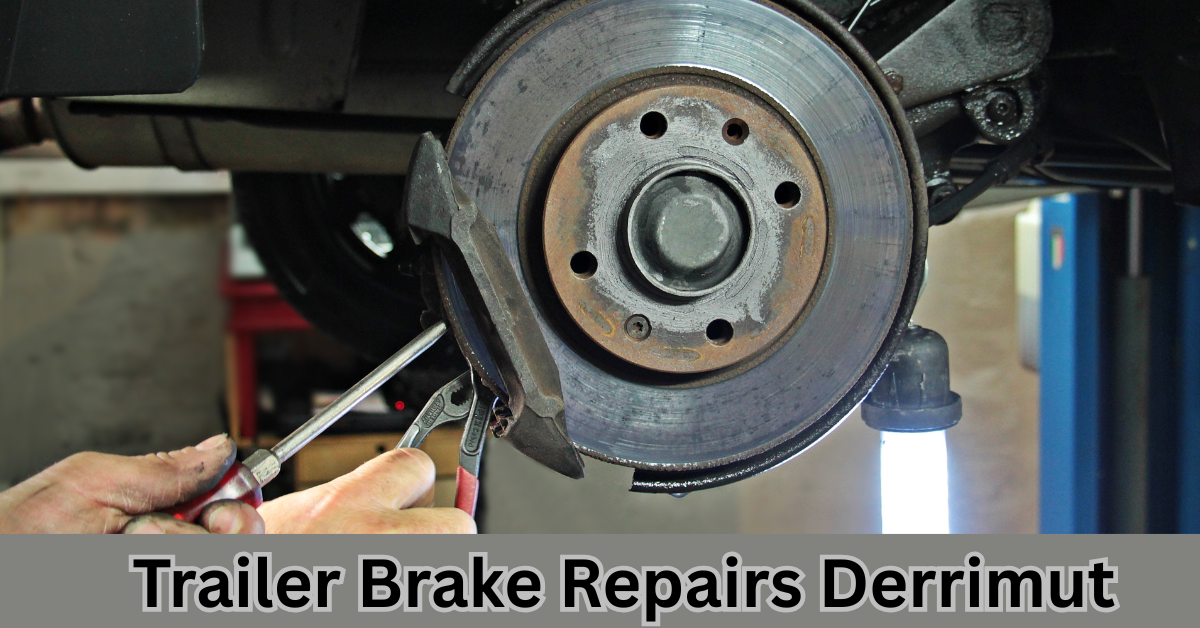
Trailer brake repairs Derrimut are important whenever a trailer develops braking problems, unusual noise, uneven braking, or reduced stopping performance. Properly working trailer brakes help the towing vehicle and trailer slow down safely and predictably, particularly when carrying heavy loads.
This guide explains how trailer braking systems work, the most common brake problems, warning signs to watch for, what a professional repair involves, and how regular maintenance can help prevent expensive failures.
Whether you operate a work trailer, box trailer, car trailer, equipment trailer, or another towing setup, understanding the basics of trailer brakes can help you identify problems before they become serious.
What Are Trailer Brakes?
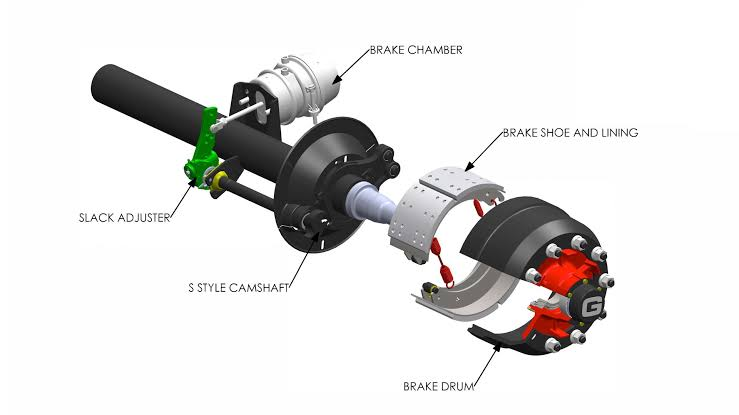
Trailer brakes are braking components fitted to a trailer to help slow or stop the trailer independently or in coordination with the towing vehicle.
A trailer braking system can include several components, depending on the trailer design. These may include:
- Brake drums or discs
- Brake shoes or pads
- Electric brake assemblies
- Hydraulic brake components
- Brake magnets
- Wheel bearings and hubs
- Brake controllers
- Wiring and electrical connections
- Cables, levers, or mechanical linkages
The exact system varies by trailer and application. A qualified mechanic should inspect the complete braking system rather than replacing a single component without identifying the underlying problem.
For heavier trailers, correctly functioning brakes are particularly important because the trailer adds considerable weight to the overall combination.
Why Are Trailer Brake Repairs Important?
Trailer brake repairs are important because brake faults can affect stopping performance, vehicle control, tyre wear, and towing safety.
A trailer that does not brake correctly can place additional demand on the towing vehicle. Depending on the fault and towing conditions, this may contribute to longer stopping distances, unstable braking, uneven wear, or difficulty controlling the trailer.
Prompt repairs can help:
- Restore proper braking performance
- Reduce unnecessary wear on brake components
- Protect other towing components
- Improve towing control
- Identify electrical or hydraulic faults
- Reduce the chance of unexpected breakdowns
- Keep the trailer suitable for safe operation
Brake problems should not be ignored simply because the trailer still appears to stop. Some faults develop gradually and may become more noticeable when the trailer is heavily loaded.
Common Signs You Need Trailer Brake Repairs in Derrimut
Recognising warning signs early can prevent a minor repair from becoming a larger mechanical problem.
1. Weak or Delayed Braking
If the trailer does not seem to slow down when the brakes are applied, the braking system may require inspection.
Possible causes include worn brake components, incorrect adjustment, electrical faults, hydraulic problems, or an incorrectly configured brake controller.
2. Trailer Pulls to One Side
A trailer that pulls noticeably during braking may have uneven braking force between the wheels.
Possible causes include:
- Uneven brake adjustment
- A damaged brake assembly
- Electrical problems
- Hydraulic issues
- Contaminated friction material
- Mechanical damage
Because pulling can affect towing stability, it should be investigated promptly.
3. Grinding, Scraping, or Unusual Noise
Unusual sounds from the trailer wheels should not be ignored.
Grinding or scraping can indicate excessive wear or damage within the brake assembly. A mechanic can inspect the brakes, drums, discs, hubs, and related components to determine the cause.
4. Brake Controller Problems
Electric trailer brakes commonly rely on a brake controller to regulate braking force.
If the controller is not communicating correctly with the trailer, braking may be weak, inconsistent, or unavailable.
A professional inspection should include the controller, wiring, plug, connectors, earth connections, and brake assemblies.
5. Excessive Brake Heat
A wheel or brake assembly that becomes unusually hot can indicate that a brake is dragging or failing to release correctly.
Continued operation with an overheating brake can cause additional component damage.
6. Uneven Brake or Tyre Wear
Uneven wear can sometimes point to a braking or mechanical problem.
A proper inspection should consider the brake assembly together with the hub, bearing, suspension, wheel alignment, and tyre condition.
Common Causes of Trailer Brake Problems
Trailer brakes can fail or perform poorly for several reasons. Finding the actual cause is essential because simply replacing worn parts may not solve the problem.
Worn Brake Components
Brake shoes, pads, drums, and discs are wear components. Their condition depends on factors such as trailer weight, towing frequency, driving conditions, and maintenance.
When friction components become excessively worn, braking performance can decline.
Electrical Faults
Electric brakes depend on reliable electrical connections.
Problems can occur because of:
- Damaged wiring
- Corroded connectors
- Loose connections
- Poor grounding
- Damaged plugs
- Faulty brake magnets
- Incorrect wiring
Electrical diagnosis is particularly important when trailer brakes work intermittently.
Poor Brake Adjustment
Some trailer braking systems require adjustment to maintain the correct operating clearance.
Incorrect adjustment can contribute to weak braking or other performance problems.
The correct adjustment procedure depends on the brake system and manufacturer specifications.
Hydraulic Brake Problems
Hydraulic trailer brakes can experience problems involving fluid, hoses, lines, cylinders, or other hydraulic components.
Signs of a hydraulic issue can include reduced braking performance, fluid leakage, or inconsistent brake operation.
Overloaded or Incorrectly Loaded Trailer
A trailer carrying more weight than it is designed for places additional demands on the towing and braking systems.
Even a properly maintained brake system cannot compensate for unsafe loading or exceeding the trailer’s rated capacity.
Trailer Brake Repairs Derrimut provides professional solutions for worn, damaged, or faulty trailer braking systems.
For reliable towing performance, Trailer Brake Repairs Derrimut can help identify brake, wiring, and controller issues.
Regular Trailer Brake Repairs Derrimut services can help maintain safe and consistent trailer braking performance.
When your trailer shows unusual noise, weak braking, or uneven braking, Trailer Brake Repairs Derrimut should be considered.
Choose Trailer Brake Repairs Derrimut for professional inspection, diagnosis, repair, and trailer brake maintenance.
What Does a Trailer Brake Repair Include?
The exact repair depends on the fault. A professional trailer brake inspection may begin with a visual and functional assessment before more detailed testing is performed.
A typical process can include the following steps.
Step 1: Initial Inspection
The mechanic checks the trailer’s braking components and looks for obvious signs of wear, damage, contamination, overheating, or loose connections.
Step 2: Brake System Testing
The braking system is tested to identify whether the issue is mechanical, electrical, hydraulic, or related to the brake controller.
Trailer Brake Repairs Derrimut provides professional solutions for worn, damaged, or faulty trailer braking systems.
For reliable towing performance, Trailer Brake Repairs Derrimut can help identify brake, wiring, and controller issues.
Regular Trailer Brake Repairs Derrimut services can help maintain safe and consistent trailer braking performance.
When your trailer shows unusual noise, weak braking, or uneven braking, Trailer Brake Repairs Derrimut should be considered.
Choose Trailer Brake Repairs Derrimut for professional inspection, diagnosis, repair, and trailer brake maintenance.
Step 3: Component Inspection
Relevant components such as brake shoes, pads, drums, discs, magnets, wiring, hubs, and bearings may be inspected depending on the system.
Step 4: Identify the Root Cause
A reliable repair should address why the problem occurred rather than simply replacing the most visible damaged part.
Step 5: Repair or Replacement
Damaged or excessively worn components may need repair or replacement using parts appropriate for the trailer and braking system.
Step 6: Final Testing
After repairs, the braking system should be tested to confirm that it operates correctly and consistently.
Trailer Brake Repair vs Trailer Brake Replacement
Not every brake problem requires a complete replacement.
| Situation | Possible Solution |
|---|---|
| Minor adjustment issue | Brake adjustment |
| Damaged wiring | Wiring repair or replacement |
| Worn brake shoes or pads | Replace friction components |
| Damaged brake magnet | Magnet replacement |
| Damaged drum or disc | Component replacement |
| Hydraulic leak | Repair affected hydraulic components |
| Multiple severely worn components | More extensive brake system repair |
The correct solution depends on the condition of the components and the trailer’s braking design.
Replacing parts unnecessarily can increase costs, while delaying the replacement of badly worn components can create safety concerns. A proper inspection helps determine the most appropriate repair.
Trailer Brake Repairs Derrimut provides professional solutions for worn, damaged, or faulty trailer braking systems.
For reliable towing performance, Trailer Brake Repairs Derrimut can help identify brake, wiring, and controller issues.
Regular Trailer Brake Repairs Derrimut services can help maintain safe and consistent trailer braking performance.
When your trailer shows unusual noise, weak braking, or uneven braking, Trailer Brake Repairs Derrimut should be considered.
Choose Trailer Brake Repairs Derrimut for professional inspection, diagnosis, repair, and trailer brake maintenance.
Benefits of Professional Trailer Brake Service
Professional trailer brake service offers several practical benefits.
Better Braking Performance
Correctly maintained brakes can provide more consistent braking behaviour.
Improved Towing Control
Balanced braking can help the trailer behave more predictably when slowing down.
Early Fault Detection
A professional inspection may identify worn or damaged components before they cause a larger failure.
Reduced Unnecessary Repairs
Testing the system first helps determine which components actually require attention.
Better Maintenance Planning
Regular inspections make it easier to identify components approaching the end of their useful service life.
How Often Should Trailer Brakes Be Inspected?
There is no single inspection interval suitable for every trailer.
The appropriate maintenance schedule depends on factors such as:
- Trailer type
- Brake system
- Towing frequency
- Trailer weight
- Operating environment
- Load conditions
- Manufacturer recommendations
- Previous brake problems
Trailers used frequently or under demanding conditions may require more regular inspection than trailers used occasionally.
It is also sensible to inspect the brakes before long towing trips, especially if the trailer has been stored for an extended period.
Trailer Brake Repairs Derrimut provides professional solutions for worn, damaged, or faulty trailer braking systems.
For reliable towing performance, Trailer Brake Repairs Derrimut can help identify brake, wiring, and controller issues.
Regular Trailer Brake Repairs Derrimut services can help maintain safe and consistent trailer braking performance.
When your trailer shows unusual noise, weak braking, or uneven braking, Trailer Brake Repairs Derrimut should be considered.
Choose Trailer Brake Repairs Derrimut for professional inspection, diagnosis, repair, and trailer brake maintenance.
How to Choose a Trailer Brake Repair Service in Derrimut
Choosing the right repair service is about more than finding the lowest quoted price.
Look for a mechanic or workshop that can:
- Diagnose the complete braking system
- Explain the identified fault clearly
- Inspect electrical and mechanical components
- Use suitable replacement parts
- Test the system after repairs
- Provide a clear explanation of recommended work
- Consider the trailer’s intended use and load
Ask what the inspection includes before approving major repairs.
A clear diagnosis and transparent repair process can make it easier to understand what you are paying for.
Common Trailer Brake Repair Mistakes to Avoid
Ignoring Small Warning Signs
A minor noise or intermittent electrical fault may become a larger problem if left unresolved.
Replacing Parts Without Diagnosis
Replacing components without testing the system can result in unnecessary costs while leaving the original fault unresolved.
Checking Only the Brake Pads or Shoes
Trailer braking problems can involve wiring, controllers, magnets, drums, discs, hubs, bearings, hydraulic components, or adjustment.
Using Incorrect Components
Brake components need to be compatible with the trailer’s specific braking system.
Forgetting the Brake Controller
On electric brake systems, the controller and wiring are important parts of the overall braking system.
Overlooking Trailer Loading
Even properly repaired brakes cannot make an overloaded trailer safe. Always operate the trailer within its rated limits and follow applicable requirements.
Practical Tips for Maintaining Trailer Brakes
Good maintenance starts with regular checks and responsible towing habits.
Before towing, consider checking:
- Brake controller operation, where applicable
- Trailer electrical connections
- Brake lights and related electrical functions
- Tyres and wheel condition
- Visible brake components
- Signs of fluid leakage on hydraulic systems
- Unusual noises or heat after operation
- Trailer load and weight distribution
If something feels different during braking, arrange an inspection rather than continuing to tow and hoping the problem disappears.
When Should You Stop Towing?
You should treat significant braking problems as a reason to stop towing until the trailer has been properly assessed.
Particular warning signs include:
- Little or no trailer braking
- Severe pulling during braking
- Strong burning smell
- Excessive heat from a wheel or brake
- Damaged brake components
- Major hydraulic leakage
- Repeated electrical brake failure
- Severe grinding or scraping
The safest response depends on the circumstances. If the trailer cannot be safely controlled or stopped, do not continue normal towing.
Trailer Brake Repairs Derrimut provides professional solutions for worn, damaged, or faulty trailer braking systems.
For reliable towing performance, Trailer Brake Repairs Derrimut can help identify brake, wiring, and controller issues.
Regular Trailer Brake Repairs Derrimut services can help maintain safe and consistent trailer braking performance.
When your trailer shows unusual noise, weak braking, or uneven braking, Trailer Brake Repairs Derrimut should be considered.
Choose Trailer Brake Repairs Derrimut for professional inspection, diagnosis, repair, and trailer brake maintenance.
Trailer Brake Repairs Derrimut: Why Local Diagnosis Matters
A local trailer brake service can be useful when you need convenient access to inspection, diagnosis, repair, and maintenance.
Derrimut is an important industrial and transport area, so trailers used for work, equipment transport, deliveries, and other commercial applications can experience demanding operating conditions.
A local mechanic familiar with trailer systems can assess the specific issue and help determine whether the problem involves the brakes themselves, the electrical system, the towing vehicle, or another related component.
For businesses that depend on trailers regularly, preventative maintenance can also help reduce unexpected downtime.
relevant external resourceTrailer owners should also follow the applicable road and vehicle safety requirements. For official information, visit NHTSA.
If your trailer has braking problems, regular trailer repairs in Derrimut can help identify mechanical and electrical issues before they become more serious.
relevant external resourceFrequently Asked Questions
What are the most common trailer brake problems?
Common trailer brake problems include worn brake shoes or pads, damaged drums or discs, faulty brake magnets, poor adjustment, damaged wiring, poor electrical connections, brake controller faults, and hydraulic problems. The correct repair depends on the type of braking system and the results of a proper inspection.
Can I tow a trailer with faulty brakes?
Towing with faulty brakes can create a serious safety concern, particularly when the trailer is heavy or loaded. If the braking system is weak, inconsistent, overheating, or not operating correctly, it is better to have the trailer inspected before continuing normal towing.
How do I know if my electric trailer brakes are working?
Electric trailer brakes can be checked through the brake controller and by observing how the trailer responds during controlled braking. Warning signs include weak braking, delayed response, intermittent operation, or a controller fault. A qualified mechanic can test the electrical circuit and brake assemblies more thoroughly.
How much do trailer brake repairs cost in Derrimut?
The cost depends on the fault, trailer type, braking system, parts required, and labour involved. A minor wiring repair or adjustment may be considerably different from replacing multiple brake components. The most reliable way to determine the cost is to have the trailer inspected and receive a clear repair estimate.
How often should I service my trailer brakes?
The ideal service interval depends on the trailer, brake system, towing frequency, load, operating conditions, and manufacturer recommendations. Frequent or heavy-duty use may require more regular inspections. It is also sensible to inspect the brakes before major trips or after an extended period of storage.
Conclusion
Trailer brakes are an important part of a safe towing system. Problems with braking components, wiring, brake controllers, hydraulic systems, or adjustment can affect how reliably a trailer slows down.
Professional trailer brake repairs Derrimut should focus on accurate diagnosis, appropriate replacement parts, correct adjustment, and final testing rather than simply replacing components without identifying the cause.
If you notice weak braking, pulling, unusual noise, overheating, electrical problems, or inconsistent brake performance, arrange an inspection before the issue becomes more serious.
For trailer owners and operators in and around Derrimut, the practical next step is to have the braking system checked by a qualified mechanic and ask for a clear explanation of any required repairs.
