

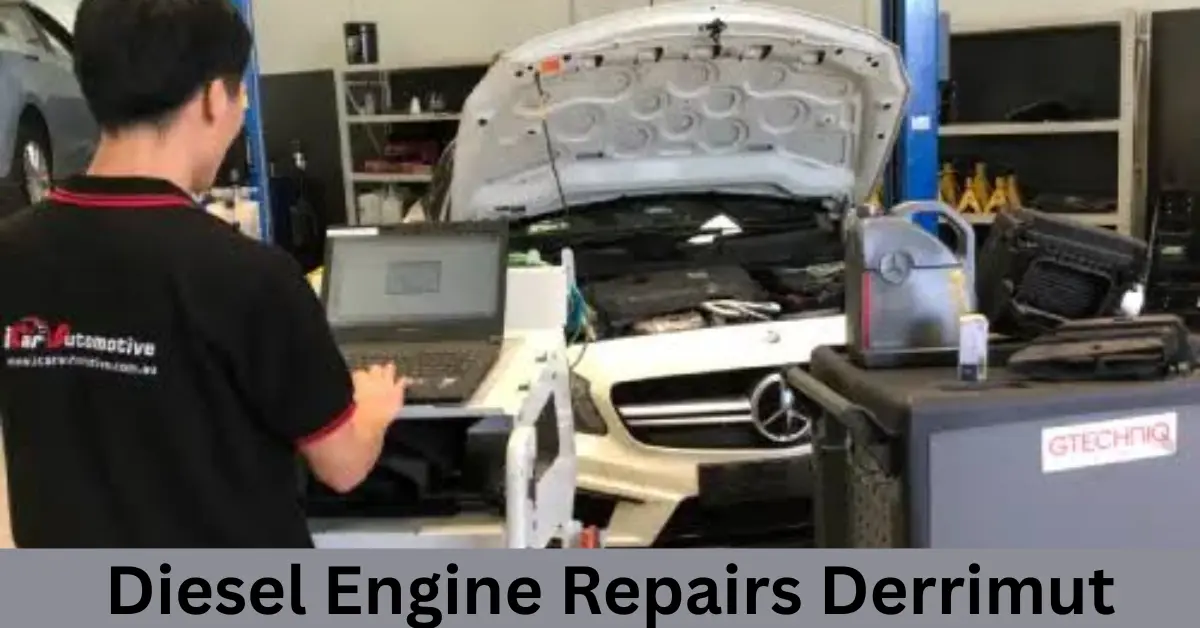
Diesel engine repairs Derrimut are essential for keeping trucks dependable, efficient, and ready for demanding work. Whether you operate a commercial truck, manage a fleet, or simply need professional engine maintenance, understanding common diesel engine problems can help you avoid unexpected breakdowns and expensive repairs.
This guide explains how diesel engine repairs work, the most common truck engine problems, warning signs that should not be ignored, the repair process, maintenance tips, cost considerations, and how to choose a suitable diesel repair workshop. The information is also useful for readers in India who want to understand professional diesel truck maintenance and repair practices.
What Are Diesel Engine Repairs?
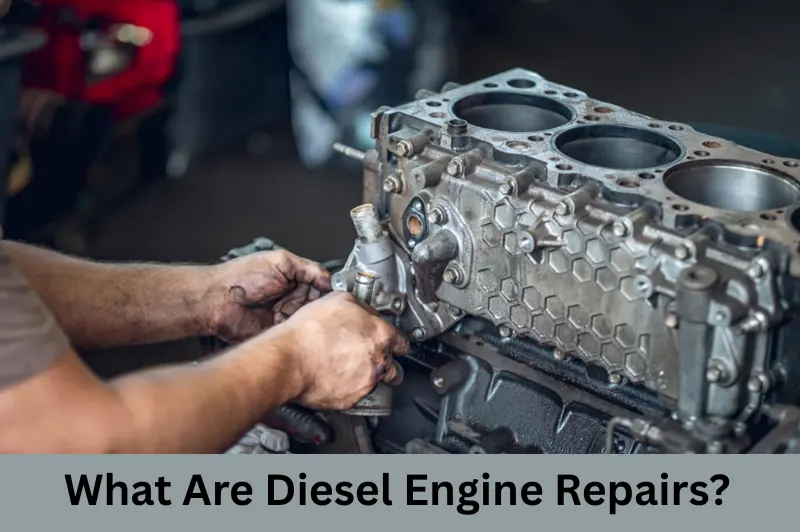
Diesel engine repairs involve diagnosing, repairing, replacing, or rebuilding components that affect the performance and reliability of a diesel-powered engine.
Diesel engines are designed to handle high compression and demanding workloads. Trucks often operate for long periods under heavy loads, which can place significant stress on the engine, cooling system, fuel system, turbocharger, and lubrication system.
Professional diesel repair may include:
- Engine diagnostics
- Fuel injector inspection and replacement
- Turbocharger repairs
- Cooling system repairs
- Oil leak repairs
- Cylinder head repairs
- Head gasket replacement
- Fuel system servicing
- Engine component replacement
- Engine rebuilding
- Preventive engine maintenance
The correct repair depends on the actual cause of the problem. A professional diagnosis should be completed before major components are replaced.
Why Are Diesel Engine Repairs Important for Trucks?
Diesel trucks are often used for transportation, logistics, construction, agriculture, and other demanding applications. Engine reliability directly affects operating costs and productivity.
Timely repairs can help prevent a minor mechanical issue from developing into a major engine failure.
Regular maintenance and professional repairs can help:
- Reduce unexpected breakdowns
- Improve engine reliability
- Maintain fuel efficiency
- Protect expensive engine components
- Reduce vehicle downtime
- Support safe truck operation
- Extend the useful life of the engine
- Maintain consistent performance
For fleet operators, avoiding unnecessary downtime is particularly important because one unavailable truck can affect delivery schedules and business operations.
Common Signs Your Diesel Truck Needs Repairs
Knowing the early warning signs of engine problems can help truck owners arrange an inspection before the issue becomes more serious.
Excessive Exhaust Smoke
Unusual exhaust smoke can indicate a fuel, air, oil, or combustion problem.
Black smoke may be associated with incomplete combustion or insufficient air. Possible causes include a restricted air filter, injector problems, or turbocharger issues.
Blue smoke can indicate that engine oil is entering the combustion process.
Persistent white smoke may be associated with coolant entering the combustion chamber or fuel that is not burning correctly.
Smoke colour alone cannot confirm a specific fault, so proper diagnosis is important.
Loss of Engine Power
A noticeable loss of power is one of the most common reasons truck owners seek diesel engine repairs.
Possible causes include:
- Blocked fuel filters
- Faulty injectors
- Turbocharger problems
- Restricted air intake
- Sensor faults
- Fuel pressure problems
- Compression issues
If a truck struggles to accelerate or perform normally under load, the engine should be inspected.
Difficult Starting
A diesel engine that takes longer than usual to start may have a fuel, electrical, glow-plug, battery, or compression problem.
Repeated hard starting should not be ignored because the underlying problem may become more difficult or expensive to repair.
Unusual Engine Noise
Knocking, rattling, ticking, whining, or other unusual noises can indicate mechanical problems.
The sound may originate from different components, including the injectors, bearings, timing system, turbocharger, or other moving parts.
A technician should diagnose unusual sounds rather than relying on the sound alone to identify the failed component.
Engine Overheating
Overheating is a serious warning sign.
Possible causes include:
- Low coolant
- Radiator problems
- Water pump failure
- Thermostat problems
- Cooling fan issues
- Blocked cooling passages
- Damaged hoses
Continuing to operate an engine while it is overheating can cause additional damage.
Increased Oil Consumption
If the engine requires frequent oil top-ups without an obvious external leak, further investigation may be required.
Possible causes can include worn engine components, turbocharger problems, or internal oil consumption.
Common Diesel Engine Problems in Trucks
Diesel engines are durable, but their components can wear over time.
Fuel Injector Problems
Fuel injectors deliver fuel into the combustion chamber at the required pressure and timing.
A damaged or contaminated injector may contribute to:
- Rough engine operation
- Poor acceleration
- Hard starting
- Increased smoke
- Higher fuel consumption
Modern diesel fuel systems can operate at very high pressures, so injector testing and repair should be performed using appropriate equipment and procedures.
Turbocharger Problems
A turbocharger helps increase the amount of air entering the engine, allowing the engine to produce more power efficiently.
Turbocharger problems can result from:
- Lubrication problems
- Excessive wear
- Contamination
- Damaged components
- Air intake restrictions
- Exhaust-related issues
Potential symptoms include reduced power, unusual turbo noises, smoke, and poor acceleration.
A turbocharger should not automatically be replaced simply because a truck has lost power. The complete air, fuel, lubrication, and exhaust systems should be checked.
Cooling System Failure
The cooling system keeps engine temperature within its intended operating range.
A cooling system problem may involve the radiator, thermostat, water pump, hoses, fan, coolant, or other components.
Regular inspection is particularly important for trucks that operate under heavy loads or in demanding conditions.
Head Gasket Problems
The head gasket creates a seal between the cylinder head and engine block.
When it fails, it can cause symptoms such as:
- Coolant loss
- Overheating
- White exhaust smoke
- Poor engine performance
- Oil and coolant contamination
A head gasket problem requires proper testing because similar symptoms can sometimes have different causes.
Oil Leaks
Oil leaks should be investigated as soon as they are noticed.
Common leak locations include:
- Valve covers
- Oil pans
- Seals
- Gaskets
- Turbocharger oil lines
Low engine oil can increase friction and accelerate component wear.
How Does the Diesel Engine Repair Process Work?
A professional repair process begins with diagnosis rather than immediately replacing parts.
Step 1: Initial Inspection
The technician checks the engine and surrounding systems for obvious problems.
The inspection may include:
- Fluid levels
- Oil condition
- Coolant level
- Visible leaks
- Hoses
- Belts
- Filters
- Exhaust smoke
- Dashboard warning lights
Step 2: Computer Diagnostics
Modern trucks use electronic control systems that monitor many engine functions.
A diagnostic scan may identify stored fault codes and provide information about sensors and engine operation.
However, a fault code does not always mean that the related component itself has failed. Additional testing is often required.
Step 3: Mechanical Testing
Depending on the symptoms, technicians may perform additional tests such as:
- Compression testing
- Fuel pressure testing
- Cooling system pressure testing
- Injector testing
- Turbocharger inspection
- Battery and charging system testing
These tests help identify the actual source of the problem.
Step 4: Repair or Component Replacement
Once the problem has been confirmed, the technician determines whether the component should be repaired, cleaned, adjusted, or replaced.
Using appropriate replacement parts is important for long-term reliability.
Step 5: Final Inspection and Testing
After the repair, the vehicle should be checked for:
- Leaks
- Warning lights
- Abnormal noises
- Correct operating temperature
- Engine performance
- Proper fluid levels
A road test may also be appropriate depending on the repair.
Diesel Engine Repair or Engine Rebuild: Which Is Better?
The correct choice depends on the condition of the engine.
| Factor | Engine Repair | Engine Rebuild |
|---|---|---|
| Damage | Usually limited to specific components | Multiple internal components may be worn |
| Cost | Usually lower | Usually higher |
| Repair Time | Often shorter | Generally longer |
| Components | Selected parts repaired or replaced | Multiple internal parts inspected and replaced as needed |
| Suitable For | Localised faults | Significant internal wear or extensive damage |
A rebuild is not automatically better than a repair. The decision should be based on inspection results, engine condition, vehicle age, operating requirements, and overall repair economics.
How Much Do Diesel Engine Repairs Cost?
There is no single price for diesel engine repairs because the final cost depends on the fault and the vehicle.
Important cost factors include:
- Truck make and model
- Engine type
- Fault severity
- Parts required
- Labour time
- Diagnostic requirements
- Availability of replacement components
- Whether the engine needs rebuilding
A minor filter or sensor issue may require significantly less work than an internal engine repair.
For an accurate estimate, ask the workshop to explain the diagnosis, parts, labour, and any additional work that may be required.
How to Choose a Diesel Repair Workshop in Derrimut
Choosing the right workshop can make a major difference to repair quality.
Look for Diesel Experience
A workshop that regularly works with trucks and diesel engines is more likely to understand the demands of heavy-duty vehicles.
Ask whether the technicians have experience with your truck’s engine type or vehicle category.
Check Diagnostic Capabilities
Modern diesel trucks require more than basic mechanical knowledge.
A suitable workshop should have appropriate diagnostic equipment and technicians who understand how to interpret diagnostic information.
Ask About Parts
Before approving a repair, ask what type of parts will be used.
Depending on the vehicle and repair, suitable options may include manufacturer-approved parts or reputable aftermarket components that meet the required specifications.
Request a Clear Explanation
A trustworthy workshop should be able to explain:
- What problem was found.
- How the problem was diagnosed.
- What repair is recommended.
- Which parts are required.
- What additional work may be necessary.
- What the estimated repair cost is.
Clear communication makes it easier to compare repair options.
Benefits of Professional Diesel Engine Repairs
Professional repairs provide more than a temporary solution.
Better Reliability
Correctly diagnosed repairs reduce the likelihood of recurring problems.
Reduced Downtime
Fast and accurate diagnosis can help get a commercial vehicle back into service sooner.
Improved Performance
Repairing fuel, air, cooling, and lubrication problems can restore normal engine operation.
Protection of Engine Components
Early repairs can help prevent secondary damage caused by overheating, poor lubrication, or continued operation with a serious fault.
Better Maintenance Planning
A professional inspection can identify components that may require attention in the future, allowing truck owners to plan maintenance rather than waiting for a roadside breakdown.
Preventive Maintenance Tips for Diesel Trucks
Preventive maintenance is one of the most effective ways to protect a diesel engine.
Follow the Manufacturer’s Service Schedule
The manufacturer’s maintenance schedule should be the primary reference for service intervals, oil specifications, filters, and inspections.
Check Engine Oil
Regularly monitor engine oil levels and investigate sudden changes in oil consumption.
Always use the oil specification recommended for the engine.
Maintain the Cooling System
Check coolant levels and inspect hoses, radiator components, and other cooling-system parts during scheduled maintenance.
Replace Filters on Schedule
Fuel and air filters play important roles in engine operation.
Blocked or contaminated filters can affect fuel delivery and airflow.
Monitor Warning Signs
Do not ignore:
- Warning lights
- New engine noises
- Smoke
- Power loss
- Overheating
- Fluid leaks
- Difficult starting
Early diagnosis can be much simpler than repairing a severely damaged engine.
Common Mistakes Truck Owners Should Avoid
Ignoring Small Problems
A small oil leak or unusual noise may seem harmless, but continuing to operate the vehicle without inspection can allow the underlying problem to worsen.
Using Incorrect Fluids
Engine oils and coolants are not universally interchangeable. Always follow the manufacturer’s specifications.
Delaying Scheduled Maintenance
Skipping maintenance may save money temporarily but can increase the risk of unexpected repairs.
Replacing Parts Without Diagnosis
Replacing a component based only on a symptom can waste money if another component is actually responsible.
Choosing a Workshop Only on Price
The lowest initial quote may not represent the lowest overall cost.
Consider the quality of diagnosis, parts, workmanship, warranty terms, and expected durability.
Diesel Engine Repairs Derrimut for Commercial Trucks
Commercial trucks need reliable engines because their work directly depends on vehicle availability.
For transport operators, engine maintenance should be treated as part of fleet management rather than an emergency-only expense.
A practical maintenance approach includes:
- Scheduled servicing
- Regular inspections
- Driver-reported fault monitoring
- Diagnostic checks when warning signs appear
- Prompt repair of leaks
- Correct fluid and filter selection
- Maintenance records
Keeping service records can also help identify recurring problems and support better maintenance planning.
What Should You Do When Your Truck Breaks Down?
If a diesel truck develops a serious engine problem, safety should come first.
Move the vehicle to a safe location where possible and follow the truck manufacturer’s breakdown procedures.
Avoid continuing to drive when there are serious signs such as:
- Severe overheating
- Major oil pressure warnings
- Heavy smoke
- Sudden loss of power
- Loud internal engine noises
- Significant fluid leaks
Operating a severely damaged engine can increase the extent of the damage.
internal link
Truck Engine Maintenance CumminsFrequently Asked Questions
1. What are the most common signs of diesel engine problems?
Common signs include loss of power, excessive smoke, hard starting, unusual engine noises, overheating, oil leaks, increased fuel consumption, and warning lights. These symptoms can have several possible causes, so professional diagnosis is important before replacing parts or carrying out major repairs.
2. How often should a diesel truck engine be serviced?
The correct service interval depends on the truck, engine, manufacturer recommendations, operating conditions, and workload. Trucks used for heavy loads or frequent long-distance operation may require closer monitoring. Always follow the manufacturer’s service schedule and arrange additional inspection when unusual symptoms appear.
3. Can a diesel engine be repaired instead of rebuilt?
Yes. If the problem is limited to a particular component, targeted repair may be appropriate. An engine rebuild is generally considered when inspection reveals significant internal wear or damage affecting multiple components. A qualified technician should assess the engine before deciding between repair and rebuilding.
4. Why is diesel engine diagnosis important?
Diagnosis helps identify the actual cause of an engine problem. Symptoms such as loss of power or smoke can be caused by several different faults. Proper diagnostic testing reduces the risk of replacing unnecessary parts and helps ensure that the underlying problem is addressed correctly.
5. How can truck owners reduce diesel engine repair costs?
Regular servicing, correct engine oil, timely filter replacement, cooling-system checks, and early diagnosis can help reduce the risk of major failures. Truck owners should also avoid ignoring warning lights, overheating, unusual noises, leaks, or performance changes because early intervention can prevent additional damage.
Conclusion
Diesel engine repairs Derrimut are an important part of keeping trucks reliable, efficient, and ready for commercial work. From fuel injectors and turbochargers to cooling systems, oil leaks, sensors, and internal engine components, every part of a diesel engine needs proper attention when a fault appears.
The best approach is to diagnose problems early, follow the manufacturer’s maintenance recommendations, use suitable replacement parts, and choose technicians with appropriate diesel and truck experience.
If your truck is showing smoke, power loss, overheating, unusual noises, difficult starting, or warning lights, do not rely on guesswork. Arrange a professional inspection and determine the actual cause before approving major repairs.
SEO-Friendly URL Slug
diesel-engine-repairs-derrimut
Five Image Alt Texts
- Diesel engine repairs Derrimut technician inspecting truck engine
- Professional diesel mechanic repairing a heavy-duty truck engine
- Truck diesel engine diagnostic inspection in a repair workshop
- Diesel truck turbocharger and engine maintenance service
- Heavy-duty commercial truck receiving diesel engine repairs
Five Related Article Ideas
- Common Diesel Truck Engine Problems and How to Identify Them
- Diesel Truck Preventive Maintenance Checklist for Fleet Owners
- Signs Your Truck Needs a Diesel Engine Rebuild
- Turbocharger Problems in Diesel Trucks: Causes and Warning Signs
- How to Reduce Commercial Truck Maintenance and Repair Costs
Rank Math Schema Title
Diesel Engine Repairs Derrimut: Complete Truck Repair Guide
Rank Math Schema Description
Learn about diesel engine repairs Derrimut, including common truck engine problems, diagnosis, repair options, maintenance tips, costs, and workshop selection.
Focus Keyword
diesel engine repairs Derrimut
Five Related Keywords
- truck engine repairs Derrimut
- diesel mechanic Derrimut
- diesel truck repairs
- heavy vehicle engine repairs
- diesel truck maintenance
Suggested Internal Links
Use relevant internal links only when the destination pages actually exist on your website. For example:
<a href="/truck-engine-maintenance/" title="Truck Engine Maintenance">truck engine maintenance</a>
<a href="/diesel-truck-repairs/" title="Diesel Truck Repairs">diesel truck repairs</a>
<a href="/commercial-truck-servicing/" title="Commercial Truck Servicing">commercial truck servicing</a>
Suggested External DoFollow Link
For an authoritative technical reference, you can link naturally to a relevant official manufacturer or technical resource. A normal external link without nofollow is treated as followable unless another rel attribute prevents it.
Example:
<a href="https://www.cummins.com/" target="_blank" rel="noopener">Cummins</a>
Only add external links when they genuinely support the information on the page. Do not add unrelated links simply to increase the number of outbound links.
Recommended SEO Placement
For the strongest on-page structure, use the focus keyword naturally in:
- SEO title
- Meta description
- H1
- Introduction
- At least one H2 where natural
- URL slug
- One or more image alt attributes where genuinely descriptive
- Conclusion
Avoid forcing the exact keyword into every paragraph. Natural variations such as diesel truck repairs, truck engine servicing, diesel mechanic, heavy vehicle repairs, engine diagnostics, fuel injector repair, turbocharger servicing, and diesel maintenance help establish topical relevance without keyword stuffing.
Final WordPress SEO Check
Before publishing, verify these items in Rank Math:
- Focus keyword is set to diesel engine repairs Derrimut
- SEO title is within the recommended length
- Meta description is within the recommended length
- Focus keyword appears naturally in the introduction
- H1 contains the focus keyword
- URL is short and descriptive
- Images have descriptive alt text
- Internal links point to relevant existing pages
- External links point to trustworthy sources
- Paragraphs remain easy to read on mobile devices
- No unnecessary keyword repetition
- No duplicate title or meta description
- Schema matches the actual page content
- All links work correctly
- The page provides genuine information rather than keyword-focused filler
Important: A Rank Math score is a technical checklist, not a guarantee of Google rankings. Search performance also depends on content quality, search intent, website authority, technical SEO, competition, internal linking, page experience, and the usefulness of the page to visitors.
