


Introduction
Truck roadside assistance Derrimut provides practical breakdown support for trucks and heavy vehicles that become disabled on or near the road. Whether the problem involves a flat tyre, battery failure, overheating, braking trouble, electrical fault, or another mechanical issue, roadside assistance can help assess the situation and arrange appropriate recovery or repair.
For transport operators, a truck breakdown can create more than an inconvenience. It may delay deliveries, affect schedules, leave a loaded vehicle in an unsafe location, and increase operating costs. Getting the right assistance quickly can help reduce unnecessary downtime while keeping the driver, vehicle, load, and other road users safer.
This guide explains how truck roadside assistance in Derrimut works, which services may be available, what to do during a breakdown, how to select a suitable provider, and how preventive maintenance can reduce the risk of roadside problems.
For transport operators, having reliable truck roadside assistance Derrimut available can make unexpected breakdowns easier to manage. Quick access to suitable roadside support can help assess the problem, arrange repairs, or organise recovery when a truck cannot safely continue its journey.
What Is Truck Roadside Assistance Derrimut?
Truck roadside assistance Derrimut is an emergency support service designed to help truck and heavy-vehicle operators when their vehicle cannot continue its journey safely or normally.
A professional truck roadside assistance Derrimut provider may support different types of commercial vehicles, including rigid trucks, prime movers, and trucks towing trailers. The appropriate response depends on the vehicle, breakdown type, location, and equipment required.
Unlike ordinary car roadside assistance, heavy-vehicle support may require specialised equipment, experienced technicians, suitable recovery vehicles, and knowledge of commercial trucks. The exact services available depend on the provider, truck type, location, fault, and equipment required.
Common roadside assistance services can include:
- Truck breakdown diagnosis
- Battery testing and jump-start assistance
- Heavy-vehicle tyre services
- Minor roadside repairs
- Cooling-system checks
- Electrical fault diagnosis
- Air-system assistance
- Fuel-related assistance
- Trailer-related support
- Vehicle recovery and towing
- Mobile mechanic services
The main objective is to determine whether the truck can be safely repaired at the roadside or whether it needs to be recovered to a workshop.
Why Do Trucks Break Down in Derrimut?
Truck breakdowns can happen for many reasons. Heavy vehicles operate under demanding conditions, often carrying substantial loads and travelling long distances. Components such as tyres, brakes, batteries, cooling systems, suspension parts, and driveline components can experience significant wear.
Some common causes include:
Battery and Electrical Problems
A weak battery, damaged connection, faulty alternator, or electrical component can prevent a truck from starting or cause important systems to malfunction.
Electrical problems can sometimes be resolved at the roadside, but more complicated faults may require diagnostic equipment and workshop repairs.
Tyre Damage
Truck tyres are exposed to heavy loads, road debris, temperature changes, and long periods of operation. A puncture, damaged valve, tread problem, or tyre failure can stop a vehicle from continuing safely.
Heavy-vehicle tyre replacement should be performed with appropriate equipment because truck wheels and tyres can be substantially different from passenger-car systems.
Engine Overheating
Overheating can result from cooling-system leaks, damaged hoses, radiator problems, thermostat issues, fan faults, low coolant, or other mechanical problems.
A driver should not simply continue driving an overheating truck. Doing so can turn a relatively manageable problem into serious engine damage.
Brake Problems
Brake-related faults should always be treated seriously. Reduced braking performance, unusual noises, warning lights, air-pressure problems, or other braking symptoms may indicate a condition that makes continued travel unsafe.
If the vehicle cannot be operated safely, roadside assistance and recovery may be necessary.
Fuel Problems
Running out of fuel or experiencing a fuel-system problem can leave a truck stranded. Some roadside providers offer fuel assistance, while others may diagnose the problem and arrange additional support.
What Services Can Truck Roadside Assistance Derrimut Provide?
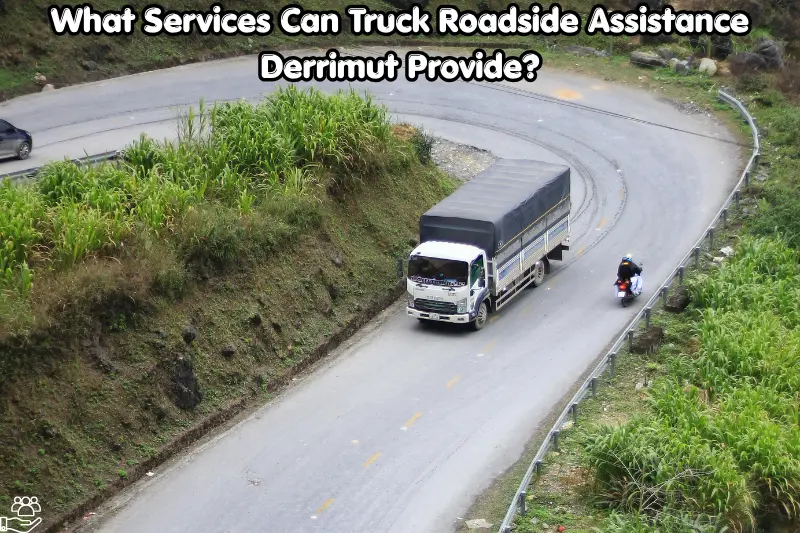
The exact service depends on the breakdown and the capabilities of the provider. When you need truck roadside assistance Derrimut, the first priority is to determine whether the truck can be safely repaired at its current location. A qualified technician can assess the fault and recommend roadside repair, mobile mechanical assistance, or heavy-vehicle recovery when necessary. A reliable heavy-vehicle roadside service should explain what it can handle before sending a technician.
On-Site Breakdown Diagnosis
The first step is usually identifying why the truck has stopped. A technician may inspect warning lights, electrical systems, fluid levels, tyres, belts, hoses, batteries, and other accessible components.
The purpose of roadside diagnosis is not always to complete a major repair. It is often to determine whether the vehicle can be safely returned to service or needs recovery.
Mobile Truck Repairs
Some minor and moderate faults can be repaired at the breakdown location. Depending on the truck and technician, this may include replacing a battery, repairing a minor electrical fault, changing a damaged component, or addressing certain mechanical problems.
More complicated engine, transmission, differential, or structural repairs generally require workshop facilities.
Heavy Vehicle Tyre Assistance
Tyre assistance is especially important for trucks because an unsuitable tyre repair or replacement can create additional safety risks.
A professional provider should use equipment appropriate for the vehicle and tyre involved. Operators should also ensure that replacement tyres meet the requirements applicable to their vehicle and operation.
Truck Towing and Recovery
If a truck cannot be repaired safely at the roadside, recovery may be required. Heavy-vehicle recovery can involve specialised tow trucks, recovery equipment, or arrangements for the truck and trailer.
Before requesting assistance, provide accurate information about the truck’s size, configuration, load, location, and accessibility. This helps the provider determine what equipment may be needed.
What Should You Do When a Truck Breaks Down?
A breakdown can be stressful, particularly when the vehicle is carrying a commercial load. The priority should be safety rather than attempting an unnecessary roadside repair.
1. Move to a Safe Location if Possible
If the truck can still be moved safely, position it away from moving traffic where practical. Avoid making risky manoeuvres simply to reach a particular location.
If the truck cannot move, remain aware of surrounding traffic and use appropriate warning measures.
2. Assess the Immediate Situation
Check whether there is smoke, fire, fluid leakage, unusual noise, or another obvious hazard. Do not approach dangerous components or attempt repairs if doing so could expose you to injury.
If there is an immediate emergency, contact the appropriate emergency service.
3. Contact Roadside Assistance
Give the provider accurate information, including:
- Exact location
- Truck make and model
- Vehicle type
- Registration details if required
- Nature of the problem
- Whether the truck is loaded
- Trailer information
- Direction of travel
- Accessibility of the vehicle
- Any visible safety hazards
Accurate information helps the provider prepare the right response.
4. Follow Professional Instructions
A roadside technician may ask questions about warning lights, sounds, recent maintenance, or symptoms before arriving.
Do not attempt repairs that could make the problem worse or place you in danger.
5. Decide Between Repair and Recovery
After assessment, the technician can determine whether a roadside repair is practical or whether the vehicle should be recovered.
A quick repair is useful when the fault is minor, but recovery is usually the safer option when the truck remains mechanically unsafe.
How to Choose Truck Roadside Assistance in Derrimut
Not every roadside service is equipped to deal with heavy vehicles. Before choosing a provider, consider several practical factors.
Heavy Vehicle Experience
Ask whether the provider regularly handles trucks, trailers, rigid vehicles, prime movers, or other commercial vehicles similar to yours.
Experience with passenger vehicles does not automatically mean a provider is equipped for heavy-vehicle breakdowns.
Choosing the right truck roadside assistance Derrimut service is particularly important for fleet operators because heavy vehicles require appropriate tools, recovery equipment, and technical knowledge. Always confirm that the provider can handle your truck’s size and configuration before requesting assistance.
Response Capability
Ask about service coverage around Derrimut and surrounding industrial and transport areas. Response times can vary according to traffic, technician availability, breakdown location, vehicle type, and time of day.
Equipment
A suitable provider should have access to equipment appropriate for the vehicle being assisted. This can include heavy-duty recovery equipment, diagnostic tools, tyre equipment, batteries, and other repair resources.
Availability
Commercial trucks may operate early in the morning, late at night, on weekends, or during public holidays. If your business operates outside standard hours, confirm whether the provider offers assistance when you actually need it.
Pricing Transparency
Ask how charges are calculated. Depending on the provider, the final cost may involve call-out fees, labour, parts, towing, recovery distance, after-hours charges, or other services.
A clear quotation or explanation of pricing can help prevent unexpected costs.
Truck Roadside Assistance Derrimut vs. Preventive Maintenance
Roadside assistance is valuable when something goes wrong, but it should not replace regular maintenance.
| Roadside Assistance | Preventive Maintenance |
|---|---|
| Responds after a breakdown | Reduces the likelihood of breakdowns |
| Focuses on immediate problems | Identifies wear before failure |
| Can provide emergency repairs | Includes scheduled inspections |
| May involve recovery | Helps keep vehicles operational |
| Usually unplanned | Planned around fleet requirements |
A well-maintained truck can still experience unexpected failures, so operators should have both a maintenance strategy and a roadside assistance plan.
The National Heavy Vehicle Regulator provides safety-management guidance for heavy-vehicle operators, including approaches to identifying hazards and managing transport risks.
How Technology Can Improve Breakdown Management
Technology can make roadside assistance more organised for businesses operating multiple trucks.
Fleet-management software can help operators track vehicle inspections, maintenance schedules, service history, driver reports, and breakdown records. Telematics can also provide information about vehicle location and operating conditions.
A SaaS-based fleet management system can be particularly useful because authorised staff may access maintenance information from different locations rather than relying entirely on paper records.
For example, if a truck experiences repeated battery problems, maintenance records can help identify whether the issue is isolated or part of a recurring pattern.
Technology does not replace qualified mechanics, but it can help businesses organise information and respond to problems more efficiently.
Common Mistakes to Avoid During a Truck Breakdown

Continuing to Drive With a Serious Fault
A truck that is overheating, losing braking performance, producing heavy smoke, or showing another serious warning sign should not simply be driven until it reaches a workshop.
Continuing to operate a mechanically unsafe vehicle can increase damage and create risks for the driver and public.
Giving an Incorrect Location
A roadside technician cannot help efficiently if the location is unclear. Use a precise address, nearby landmark, road name, industrial estate, or GPS location when available.
Choosing a Passenger-Car Recovery Service
A standard car tow truck may not be suitable for a heavy commercial vehicle. Always confirm that the provider can handle the truck’s size and configuration.
Attempting Unsafe Repairs
Drivers may have basic mechanical knowledge, but roadside repairs can expose people to moving traffic, hot components, pressurised systems, electrical hazards, and heavy equipment.
If the repair is unsafe to perform, wait for professional assistance.
Ignoring Repeated Warning Signs
If a truck repeatedly breaks down for the same reason, repeatedly requires battery assistance, or frequently develops tyre or cooling problems, treating each incident separately may not solve the underlying issue.
The maintenance history should be reviewed to identify recurring faults.
How Fleet Operators Can Reduce Roadside Breakdowns
A proactive maintenance program can reduce avoidable failures.
Useful practices include:
- Perform regular vehicle inspections.
- Monitor tyre condition and pressure.
- Check battery condition and electrical connections.
- Inspect belts, hoses, and cooling components.
- Follow manufacturer service intervals.
- Record repairs and recurring faults.
- Train drivers to report warning signs early.
- Keep emergency contact information accessible.
- Review breakdown history across the fleet.
- Schedule repairs before components become critical.
For businesses covered by Australia’s heavy-vehicle Chain of Responsibility framework, safety is a shared responsibility across relevant parties in the transport chain. The NHVR explains that transport businesses and other parties involved in heavy-vehicle activities have responsibilities for managing safety risks.
Internal Linking Opportunity
For reliable truck maintenance and emergency support, explore our truck mechanic Derrimut service for professional mechanical assistance. You can also learn more about mobile truck repairs, diesel truck mechanic services, and heavy vehicle repairs to help keep your commercial vehicle safe and reliable.
Truck operators can also refer to the National Heavy Vehicle Regulator (NHVR) for official guidance on heavy-vehicle safety management, risk control, and compliance responsibilities.
When Should You Call Truck Roadside Assistance Derrimut?
You should consider roadside assistance when the truck cannot safely continue because of a mechanical, electrical, tyre, battery, cooling, fuel, or other vehicle-related problem.
Examples include:
- The engine will not start.
- A tyre has failed.
- The truck is overheating.
- A major warning light appears.
- Braking performance is affected.
- The truck loses power unexpectedly.
- An electrical fault prevents normal operation.
- The vehicle becomes immobilised.
- A trailer problem prevents safe travel.
If the vehicle remains safe to operate and the problem is minor, arranging a workshop appointment may be more appropriate. However, safety should always take priority over delivery deadlines.
If a truck is immobilised in Derrimut and cannot be operated safely, truck roadside assistance Derrimut can provide a practical solution. Professional assessment can help determine whether the problem can be fixed on-site or whether the vehicle needs to be transported to a suitable repair facility.
Frequently Asked Questions
What is truck roadside assistance in Derrimut?
Truck roadside assistance in Derrimut is a breakdown-support service for trucks and other heavy vehicles operating in or around Derrimut. Depending on the provider, assistance may include fault diagnosis, battery support, tyre services, minor repairs, mobile mechanical assistance, towing, and heavy-vehicle recovery.
How quickly can a truck roadside service arrive?
Response times vary depending on the provider, traffic conditions, location, technician availability, vehicle type, and time of day. When requesting assistance, provide an exact location and detailed vehicle information. This can help the provider understand the situation and send appropriate equipment.
Can roadside assistance repair a truck on-site?
Some truck faults can be repaired at the roadside, particularly minor mechanical, electrical, battery, or tyre problems. However, major engine, transmission, structural, or other complex faults may require workshop repairs. The technician should assess whether the vehicle is safe to return to service.
Does Truck roadside assistance Derrimut include towing?
Many heavy-vehicle roadside providers offer towing or recovery, but this depends on the provider and the type and size of truck involved. Before requesting service, confirm that the provider has suitable equipment for your truck, trailer, load, and location.
How can truck operators prevent breakdowns?
Regular servicing, inspections, tyre checks, battery maintenance, cooling-system inspections, driver reporting, and accurate maintenance records can help reduce avoidable breakdowns. Fleet-management software can also help businesses track service intervals and recurring faults across multiple commercial vehicles.
Benefits of Having a Roadside Assistance Plan
A planned roadside assistance arrangement can be useful for transport businesses because it gives drivers and fleet managers a clear response process when something goes wrong.
Important benefits include:
Reduced Downtime
Getting appropriate assistance can help determine whether the truck can return to operation or needs recovery, reducing unnecessary delays.
Better Driver Support
Drivers know who to contact instead of searching for assistance during a stressful breakdown.
Improved Fleet Organisation
Businesses can keep provider details, vehicle information, service history, and incident records in one accessible system.
More Predictable Response
A pre-arranged assistance relationship can make the breakdown process more organised than trying to find a suitable provider after an incident occurs.
Safer Decision-Making
Professional assessment can help prevent drivers or fleet managers from making risky decisions simply to keep a delivery moving.
What Information Should Fleet Managers Keep Ready?
Businesses can prepare a simple roadside assistance information sheet for each truck or fleet.
Include:
- Vehicle registration
- Truck make and model
- VIN or fleet identification where appropriate
- Trailer information
- Roadside assistance provider
- Fleet manager contact
- Insurance information
- Regular mechanic details
- Vehicle service history
- Emergency procedures
Keeping this information digitally accessible can be especially useful for businesses with drivers working across different locations.
The Role of SaaS in Truck Breakdown Management
SaaS tools can support the administrative side of roadside assistance and fleet maintenance.
A fleet-management platform can allow businesses to maintain digital records of inspections, servicing, repairs, driver reports, breakdowns, and scheduled maintenance. Managers can use this information to identify patterns and plan maintenance before recurring issues become larger operational problems.
For example, if several breakdown records show repeated cooling-system faults on the same vehicle, the fleet manager can investigate the underlying problem instead of repeatedly arranging emergency repairs.
This approach combines roadside assistance with preventive fleet management, creating a more organised maintenance workflow.
Final Thoughts on Truck Roadside Assistance Derrimut
Truck roadside assistance Derrimut is an important service for commercial operators who need dependable support when a heavy vehicle becomes immobilised or unsafe to drive. The right provider can assist with breakdown diagnosis, batteries, tyres, minor repairs, and vehicle recovery, depending on the situation and available equipment.
The most important step during a breakdown is to prioritise safety. Move to a safe position when possible, provide accurate location and vehicle information, avoid risky repairs, and obtain professional assistance when the truck cannot safely continue.
For fleet operators, roadside assistance should be part of a wider vehicle-management strategy rather than the only response to mechanical problems. Regular servicing, driver inspections, maintenance records, and fleet-management software can help identify recurring issues and improve operational planning.
If your truck breaks down in Derrimut, focus first on safety and accurate communication. Then contact a heavy-vehicle roadside service capable of handling your truck and the specific problem. A prepared response plan can make an unexpected breakdown much easier to manage.
Conclusion
Truck roadside assistance Derrimut provides essential support when a truck becomes stranded due to mechanical, electrical, tyre, battery, or other breakdown issues. Truck roadside assistance Derrimut is an important service for commercial operators who need dependable support when a heavy vehicle becomes immobilised or unsafe to drive.
For better reliability, truck operators should combine emergency roadside assistance with regular servicing, inspections, tyre checks, and preventive maintenance. If your truck breaks down, prioritise safety, provide an accurate location, and contact a qualified roadside assistance provider with suitable heavy-vehicle equipment.
