

Introduction
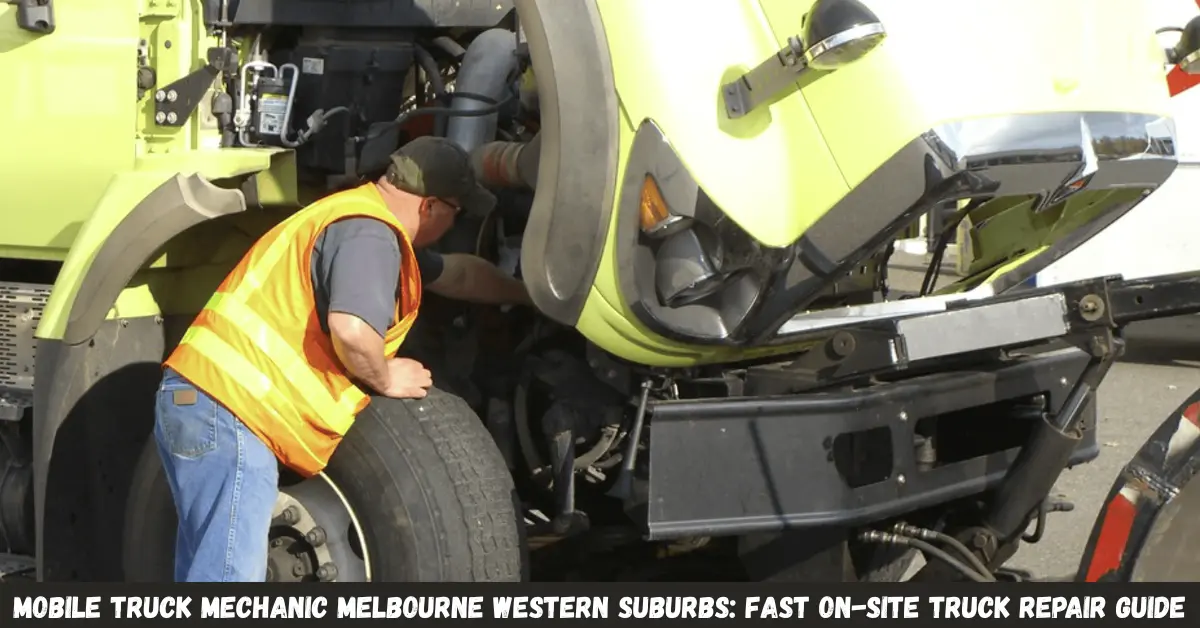
Mobile truck mechanic Melbourne western suburbs services provide a practical solution when a truck needs mechanical attention at a depot, worksite, warehouse, roadside location or other accessible area. Instead of arranging a tow to a traditional workshop, a mobile mechanic can travel to the truck and diagnose the problem on-site.
For owner-drivers, transport companies, logistics operators and fleet managers, this approach can make truck maintenance more convenient and may reduce unnecessary downtime. Common services include diesel diagnostics, brake and air-system repairs, electrical troubleshooting, cooling-system work, clutch and gearbox repairs, trailer repairs and scheduled maintenance.
Melbourne’s western suburbs include important transport and industrial areas such as Truganina, Derrimut, Ravenhall, Laverton North, Sunshine West, Altona North, Werribee, Hoppers Crossing, Tarneit and Melton. Mobile truck repair providers advertise coverage across many of these areas.
What Is a Mobile Truck Mechanic?
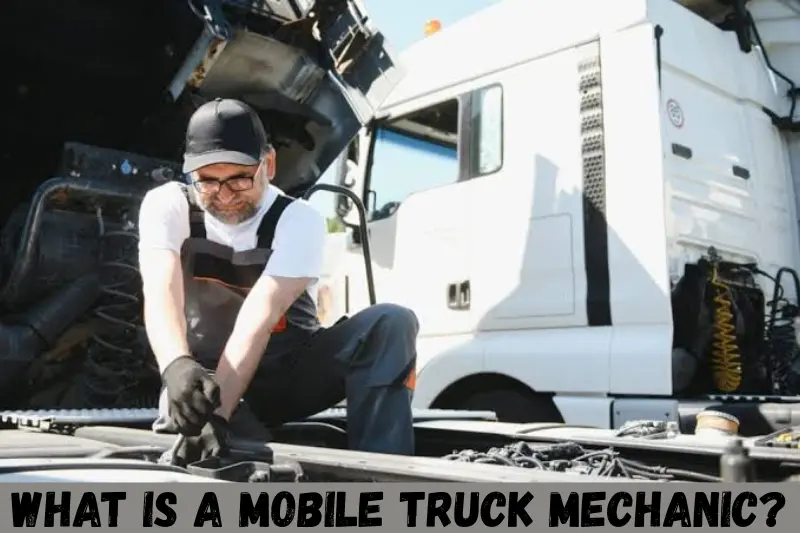
A mobile truck mechanic is a qualified mechanic who travels to the customer’s truck instead of requiring the vehicle to be taken to a fixed workshop.
The mechanic normally arrives with diagnostic equipment, tools and commonly required replacement components. Depending on the fault, the repair can be completed at the location or the mechanic can determine whether the truck needs workshop-level repairs or towing.
A mobile service can be particularly useful for commercial vehicles because moving a disabled heavy vehicle is not always simple.
Where Can a Mobile Truck Mechanic Work?
A mobile truck mechanic may attend locations such as:
- Truck depots
- Warehouses
- Transport yards
- Construction sites
- Industrial estates
- Loading areas
- Private properties where access is suitable
- Safe roadside locations
- Fleet maintenance facilities
The exact locations a mechanic can service depend on the provider, vehicle condition, road conditions and access requirements.
Why Choose a Mobile Truck Mechanic in Melbourne’s Western Suburbs?
The biggest advantage is convenience. The mechanic comes to the truck rather than requiring the truck to travel to the workshop.
For businesses operating several vehicles, this can simplify maintenance because trucks can often be inspected or serviced at the fleet’s own premises.
Reduce Unnecessary Downtime
A truck that cannot operate can affect deliveries, schedules and other vehicles in a fleet. An on-site inspection allows the mechanic to identify the problem without automatically starting with a workshop tow.
This does not mean every fault can be repaired on-site. Major engine, transmission or structural repairs may still require workshop facilities.
Convenient Fleet Maintenance
Fleet operators can arrange scheduled maintenance at their depot or operating location. This can make routine inspections easier to coordinate around vehicle schedules.
Preventive maintenance is also important because vehicle owners and operators have responsibilities relating to keeping heavy vehicles safe and roadworthy. Victorian guidance emphasises that heavy vehicles must be maintained to minimise safety risks.
Useful for Emergency Breakdowns
A mobile truck repair service can be valuable when a truck suddenly develops problems such as:
- Engine warning lights
- Starting problems
- Battery or electrical faults
- Air-system problems
- Brake issues
- Cooling-system faults
- Clutch problems
- Gearbox faults
- Trailer electrical problems
- DPF or emissions-related faults
If the truck is stopped in an unsafe position, safety should always come before attempting mechanical troubleshooting.
Common Services Offered by Mobile Truck Mechanics
The exact services vary between providers, but mobile heavy vehicle mechanics commonly deal with several major mechanical systems.
Diesel Engine Diagnostics and Repairs
Modern trucks use electronic engine-management systems, so professional diagnostic equipment can be important when warning lights or performance problems appear.
A mechanic may investigate:
- Engine warning lights
- Starting problems
- Loss of power
- Rough running
- Overheating
- Sensor faults
- Fuel-system problems
- Electronic fault codes
- DPF-related problems
- AdBlue or emissions-system faults
A diagnostic scan is only one part of troubleshooting. A fault code identifies an area that requires investigation; it does not automatically prove that a particular component needs replacement.
Brake and Air-System Repairs
Brake problems should be treated seriously because braking performance is directly connected with vehicle safety.
Depending on the truck and fault, inspection may involve:
- Air leaks
- Brake chambers
- Air lines
- Valves
- Brake components
- Brake drums or discs
- Pads or linings
- Warning systems
Heavy vehicle operators should not continue driving when a serious brake defect makes the vehicle unsafe.
Electrical and Battery Repairs
Electrical problems can prevent a truck from starting or affect important systems.
Mobile mechanics may diagnose issues involving:
- Batteries
- Alternators
- Starters
- Wiring
- Fuses
- Lighting
- Sensors
- Electrical connections
- Dashboard warning systems
Electrical diagnostics can be particularly useful when a truck experiences intermittent faults that are difficult to reproduce.
Clutch and Gearbox Repairs
Transmission problems can quickly stop a commercial vehicle from working.
A mobile mechanic may inspect symptoms such as:
- Difficulty selecting gears
- Clutch slipping
- Unusual transmission noise
- Gear engagement problems
- Driveline vibration
- Fluid leaks
Some repairs can be completed on-site, while major gearbox rebuilds or component replacements may require workshop equipment.
Cooling-System Repairs
Overheating should not be ignored. Continuing to operate an overheating diesel engine can potentially turn a relatively manageable cooling fault into a much more serious engine problem.
A mechanic may inspect:
- Radiators
- Coolant leaks
- Hoses
- Thermostats
- Cooling fans
- Water pumps
- Belts
- Temperature sensors
If coolant is leaking heavily or the engine temperature is dangerously high, stop operating the truck and arrange professional assistance.
Trailer Repairs
Mobile truck mechanics may also work on trailers and semi-trailers, depending on their capabilities.
Common areas include:
- Trailer brakes
- Lights
- Wiring
- Suspension
- Air systems
- Landing gear
- Electrical connections
- General trailer faults
For fleets, having both truck and trailer maintenance handled through a suitable mobile service can simplify scheduling.
When Should You Call a Mobile Truck Mechanic?
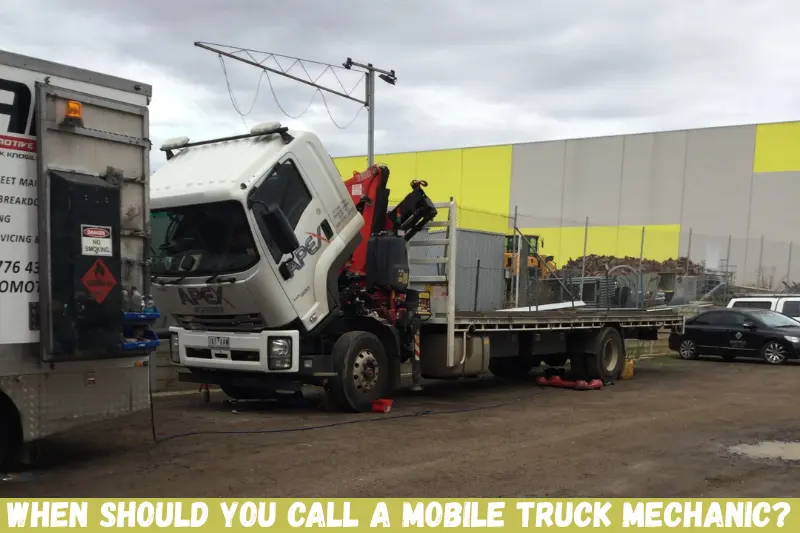
Call a professional mechanic when you notice a warning sign that could affect safety, reliability or vehicle operation.
Important warning signs include:
- Repeated starting problems
- Engine warning lights
- Sudden loss of power
- Overheating
- Unusual smoke
- Air-pressure problems
- Brake abnormalities
- Strange engine or gearbox noises
- Steering or suspension concerns
- Fluid leaks
- Electrical failures
- DPF or emissions warnings
Do not ignore a warning simply because the truck is still moving. A vehicle can sometimes continue operating while a fault is developing.
What to Do When Your Truck Breaks Down
If your truck stops unexpectedly, follow a simple safety-first process.
1. Move to a Safe Location if Possible
If the truck can be moved safely, get it away from moving traffic and into a suitable safe location.
Do not take unnecessary risks trying to move a vehicle with a serious mechanical or brake problem.
2. Switch on Hazard Lights
Use appropriate warning lights and follow applicable road-safety requirements.
Victoria has specific heavy-vehicle rules concerning breakdown situations and portable warning triangles. For example, certain heavy vehicles over 12 tonnes must carry portable warning triangles, with placement requirements depending on road conditions and visibility.
3. Contact a Professional
Provide the mechanic with useful information, including:
- Your exact location
- Truck make and model
- Vehicle size or configuration
- Nature of the fault
- Warning lights displayed
- Whether the engine starts
- Whether the truck can move safely
- Any unusual noise, smell or leak
The more accurate information you provide, the easier it may be for the mechanic to prepare for the callout.
4. Avoid Unsafe DIY Repairs
Heavy trucks contain high-pressure air systems, electrical systems, moving components and heavy parts. Attempting unfamiliar repairs beside a busy road can create additional safety risks.
A qualified professional should assess serious mechanical faults.
How to Choose the Right Mobile Truck Mechanic
Not every mobile mechanic offers the same equipment, experience or service area. Before choosing a provider, consider the following factors.
Check Heavy Vehicle Experience
Ask whether the mechanic regularly works on trucks rather than primarily passenger vehicles.
Experience with heavy-duty diesel systems, air brakes, trailers and commercial vehicles can be important.
Confirm Your Truck Brand
Tell the provider your truck’s make, model and engine configuration before booking.
Common truck brands operating in Australia include Isuzu, Hino, Fuso, Kenworth, Volvo, Scania, Mack, DAF, IVECO, MAN, UD and Freightliner. Individual mechanics may have different levels of experience with each brand.
Ask About Mobile Capabilities
Find out what can actually be repaired on-site.
A good provider should be clear about whether they offer:
- Diagnostic scanning
- Diesel repairs
- Brake repairs
- Electrical diagnostics
- Trailer repairs
- Fleet servicing
- Emergency breakdown assistance
Ask About Pricing
Before authorising significant work, ask about:
- Callout fees
- Labour rates
- Parts costs
- Diagnostic charges
- After-hours charges
- Estimated repair cost
A clear quotation or estimate can help prevent misunderstandings.
Mobile Truck Mechanic vs Traditional Truck Workshop
| Feature | Mobile Truck Mechanic | Traditional Workshop |
|---|---|---|
| Location | Comes to the truck | Truck goes to workshop |
| Breakdown assistance | Often suitable | May require towing |
| Routine servicing | Often available | Available |
| Diagnostics | Commonly available | Available |
| Major rebuilds | Limited by equipment | Usually better suited |
| Fleet depot servicing | Convenient | Requires vehicle movement |
| Heavy workshop equipment | Limited | More extensive |
Neither option is automatically better for every repair.
A mobile mechanic is particularly useful for diagnosis, breakdown support and repairs that can safely be completed at the truck’s location. A workshop may be the better option for major engine rebuilds, extensive transmission work, chassis repairs or jobs requiring specialised lifting equipment.
Preventive Maintenance Tips for Truck Owners
Preventive maintenance can help identify problems before they become major breakdowns.
Perform Regular Visual Checks
Before operation, check for obvious issues such as:
- Tyre damage
- Fluid leaks
- Damaged lights
- Loose components
- Visible air leaks
- Warning lights
- Abnormal tyre wear
Follow the Manufacturer’s Service Schedule
Truck manufacturers specify maintenance intervals for important components and fluids. Following the appropriate schedule is more reliable than waiting until a truck develops a problem.
Pay Attention to Small Warning Signs
Do not ignore changes in:
- Engine sound
- Brake feel
- Steering behaviour
- Fuel consumption
- Gear shifting
- Exhaust smoke
- Temperature
- Dashboard warnings
A small symptom can provide an early indication that professional inspection is needed.
Keep Maintenance Records
Fleet operators should maintain accurate service and repair records. Good documentation can help track recurring faults, scheduled servicing and component history.
It can also support better maintenance planning across multiple vehicles.
Roadworthiness and Heavy Vehicle Safety in Victoria
Truck operators should distinguish between routine mechanical servicing and formal roadworthiness requirements.
Transport Victoria states that heavy vehicle requirements are governed through the national heavy vehicle framework, while Victorian guidance provides information about vehicle standards and road safety.
A roadworthy inspection is also not the same thing as a complete mechanical reliability inspection. Official Victorian guidance explains that a roadworthy assessment focuses on whether specified safety-related requirements are met and does not guarantee that a vehicle is mechanically reliable.
For heavy vehicle operators, compliance should therefore be treated as an ongoing responsibility rather than something to consider only when a formal inspection is due.
Common Mistakes to Avoid
Ignoring Dashboard Warning Lights
A warning light should be investigated instead of automatically being cleared or ignored.
Continuing to Drive With Brake Problems
Brake faults can create serious safety risks. If braking performance is abnormal, arrange professional assessment.
Choosing a Mechanic Only on Price
The cheapest callout is not necessarily the best option. Consider experience, equipment, transparency, availability and reputation.
Failing to Explain the Fault
When booking a mechanic, provide as much information as possible. Mention warning codes, noises, leaks and recent repairs.
Waiting Until a Breakdown Happens
Regular preventive servicing can identify developing problems before they cause an unexpected stoppage.
Benefits and Limitations of Mobile Truck Repair
Key Benefits
- Convenient on-site service
- Useful for roadside breakdowns
- Can reduce unnecessary towing
- Suitable for many routine repairs
- Helpful for fleet depot maintenance
- Faster access to professional diagnosis
- Convenient for owner-operators
Important Limitations
- Not every repair can be completed roadside
- Severe breakdowns may require towing
- Workshop equipment may be necessary for major repairs
- Access and roadside safety can restrict what a mechanic can do
- Parts availability may affect repair time
The best approach is to describe the fault accurately and let the mechanic determine whether on-site repair is appropriate.
Internal link
truck repair services in Melbournemobile truck repair servicesrelevant anchor textVictorian Governmentrelevant anchor textrelevant anchor textcommon diesel truck problemstruck breakdown safety guideFrequently Asked Questions
What does a mobile truck mechanic in Melbourne’s western suburbs do?
A mobile truck mechanic travels to the truck instead of requiring it to visit a workshop. Depending on the provider, services may include diesel diagnostics, brake repairs, electrical troubleshooting, cooling-system repairs, clutch and gearbox work, trailer repairs and fleet maintenance. Major repairs may still require workshop facilities.
Can a mobile truck mechanic repair a truck at the roadside?
Yes, some truck faults can be diagnosed and repaired at a safe roadside location. However, roadside conditions, traffic, vehicle size and the seriousness of the fault can limit what can safely be done. If the truck is in an unsafe position or requires major repairs, towing to a suitable facility may be necessary.
Which Melbourne western suburbs can mobile truck mechanics service?
Coverage depends on the individual provider. Mobile truck repair businesses advertise service across western areas including Truganina, Derrimut, Ravenhall, Laverton North, Sunshine West, Altona North, Werribee, Hoppers Crossing, Tarneit and Melton. Always confirm the exact service area and availability before requesting a callout.
How can I find a reliable mobile truck mechanic in Melbourne?
Look for a provider with genuine heavy vehicle experience, suitable diagnostic equipment, clear pricing and a service area that covers your location. Ask whether they work on your truck brand and whether they handle the specific fault you are experiencing. For emergency work, confirm availability before relying on the service.
Is mobile truck repair suitable for fleet operators?
Yes. Mobile servicing can be particularly convenient for fleets because mechanics can visit a depot or yard for scheduled maintenance and certain repairs. Fleet operators should discuss service intervals, maintenance records, emergency support, pricing and the types of repairs that can be completed on-site before entering a service arrangement.
Expert Tips for Truck Owners and Fleet Managers
If your business depends on trucks, treat maintenance as part of your operating plan rather than an emergency-only expense.
Keep a record of each truck’s:
- Service dates
- Mileage or operating hours
- Repairs
- Diagnostic faults
- Tyre changes
- Brake work
- Battery replacements
- Recurring problems
It is also useful to have a reliable mobile truck mechanic’s contact details available before a breakdown happens.
For businesses operating in Melbourne’s western suburbs, this can be especially practical because transport and logistics vehicles regularly operate between industrial areas, warehouses, distribution centres and major road corridors.
Conclusion
A mobile truck mechanic Melbourne western suburbs service can provide a convenient way to handle truck diagnostics, maintenance and many breakdown repairs without immediately taking the vehicle to a traditional workshop. For owner-drivers and fleet operators, on-site assistance can make maintenance easier and may help minimise unnecessary downtime.
The right service can assist with diesel diagnostics, brakes, electrical systems, cooling systems, transmissions, trailers and scheduled fleet maintenance. However, mobile repair has limitations, and major mechanical work may still require workshop equipment.
Truck safety should always come first. If a vehicle develops a serious brake, steering, suspension, engine or other safety-related problem, do not continue driving simply to reach a workshop. Arrange professional assistance and follow applicable Victorian heavy vehicle safety requirements.
