

Introduction
Truck battery replacement Derrimut is an important service for keeping commercial vehicles, heavy trucks, and fleet vehicles reliable on the road. A weak or failed battery can prevent a truck from starting, interrupt scheduled deliveries, and create safety concerns when a vehicle becomes stranded in an unsuitable location.
This guide explains how truck batteries work, when replacement is necessary, how technicians identify battery problems, which battery features matter for heavy vehicles, and what owners can do to reduce unexpected failures. It also covers practical replacement steps, common mistakes, maintenance tips, and questions truck owners often ask before arranging battery service.
For operators in Derrimut and surrounding industrial areas, understanding battery condition can make it easier to respond quickly when starting problems occur.
What Is Truck Battery Replacement Derrimut?
Truck battery replacement Derrimut means removing a worn, damaged, or failed vehicle battery and installing a suitable replacement with the correct specifications. The replacement battery must match the truck’s electrical and starting requirements.
Heavy trucks generally need batteries capable of handling demanding starting loads and repeated electrical use. The correct choice depends on the vehicle, engine, electrical system, battery compartment, manufacturer requirements, and operating conditions.
A replacement should not be based only on physical size. Important considerations can include:
- Battery voltage
- Cold-cranking performance
- Physical dimensions
- Terminal configuration
- Reserve capacity
- Battery technology
- Manufacturer specifications
- Vehicle operating requirements
Choosing an unsuitable battery may lead to poor starting performance, premature battery failure, or electrical problems.
When Does a Truck Need a New Battery?
A truck may need battery replacement when the battery can no longer provide sufficient starting power or fails testing. Common warning signs include slow engine cranking, repeated starting problems, dim electrical components, swelling or physical damage, and a battery that repeatedly loses charge.
Slow or Weak Engine Cranking
If the starter motor turns the engine noticeably slower than normal, the battery may not be delivering enough current. However, a slow crank can also result from starter, cable, connection, or engine-related problems, so proper testing is important.
Repeated Battery Discharge
A battery that repeatedly goes flat may be reaching the end of its useful life. Another possibility is an electrical drain or charging-system problem.
Replacing the battery without investigating the underlying cause can result in the new battery becoming discharged as well.
Visible Battery Damage
A damaged battery case, swelling, leaking electrolyte, or badly corroded terminals should not be ignored. Physical battery damage can indicate a serious fault and should be assessed by a qualified technician.
Starting Problems After the Truck Sits
If a truck starts normally after being driven but struggles after sitting overnight or for several days, the battery may have reduced capacity. Electrical loads, parasitic drains, and charging-system faults should also be checked.
Why Battery Testing Matters Before Replacement
Battery testing helps determine whether replacement is actually necessary. A truck that will not start does not automatically have a defective battery.
A technician may inspect and test:
- Battery voltage and condition.
- Starting performance under load.
- Battery terminals and cable connections.
- Alternator or charging-system performance.
- Signs of electrical leakage or excessive drain.
- Battery age and previous failure history.
This diagnostic approach helps prevent unnecessary replacement.
For example, if a battery repeatedly loses charge because the charging system is not working correctly, installing another battery may only provide a temporary solution.
How Truck Battery Replacement Derrimut Usually Works
A professional replacement process should focus on safety, correct battery selection, installation, and testing.
1. Identify the Truck and Battery Requirements
The technician first identifies the truck model and determines the required battery specifications. Commercial vehicles can have different electrical configurations, so guessing based on battery appearance is not recommended.
2. Inspect the Existing Battery
The existing battery is checked for corrosion, damage, loose connections, leakage, and other visible problems. Testing may also be performed to determine its remaining performance.
3. Check the Charging System
The charging system should be considered when diagnosing battery problems. A faulty alternator or related electrical component can cause a healthy battery to discharge.
4. Disconnect the Old Battery Safely
The old battery is disconnected using appropriate safety procedures. Correct terminal handling is important because batteries can deliver very high current.
5. Install the Replacement Battery
The replacement battery is positioned securely and connected according to the vehicle manufacturer’s requirements. Connections should be clean and tight.
6. Test the Truck
After installation, the technician can test starting performance and verify that the electrical and charging systems are operating as expected.
Choosing the Right Heavy Truck Battery Replacement Derrimut
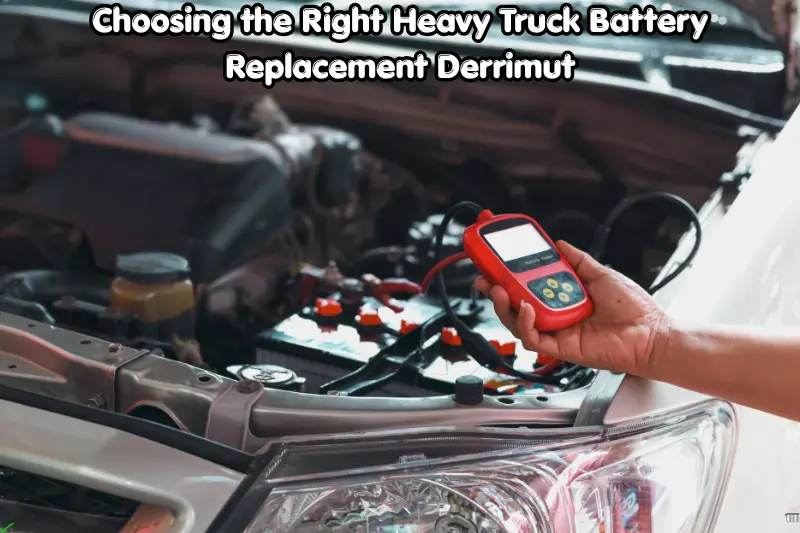
Not every battery is suitable for every truck. The right battery should meet the vehicle’s electrical and starting requirements rather than simply being the cheapest available option.
Battery Capacity
Capacity indicates how much electrical energy a battery can provide under specified conditions. Heavy vehicles may require substantial battery capacity because of their engine size and electrical equipment.
Cold-Cranking Performance
Cold-cranking performance is particularly relevant to engine starting. A battery must be capable of delivering sufficient current for the vehicle’s starter system under appropriate testing conditions.
Battery Size and Fit
The battery must physically fit the battery tray or compartment and have compatible terminals and mounting arrangements.
Operating Conditions
Trucks that operate long hours, make frequent stops, carry refrigeration equipment, or use additional electrical systems can place different demands on their batteries.
A professional assessment can help match the battery to the truck rather than relying on a generic recommendation.
Truck Battery Replacement Derrimut vs Battery Jump-Starting
Jump-starting and battery replacement are not the same service.
A jump-start can temporarily provide enough power to start a vehicle when the battery is discharged. It does not repair a battery that has reached the end of its service life.
Battery replacement is more appropriate when testing confirms that the battery is defective or unable to provide reliable starting performance.
A jump-start may be useful when:
- The battery was accidentally discharged.
- Lights or accessories were left operating.
- The vehicle has been inactive for an extended period.
- The battery itself still passes appropriate testing.
If the battery repeatedly requires jump-starting, the underlying problem should be investigated.
Benefits of Professional Truck Battery Replacement Derrimut Service
Professional battery service can offer several practical advantages for truck owners and fleet operators.
Better Battery Selection
A technician can identify the specifications required by the vehicle and recommend an appropriate replacement.
Reduced Downtime
Fast diagnosis and replacement can help get a commercial vehicle back into operation sooner.
Safer Installation
Truck batteries contain stored electrical energy and should be handled carefully. Professional installation reduces the risk of incorrect connections and related problems.
Additional Fault Detection
Battery service can reveal other issues, such as charging problems, corroded connections, or excessive electrical drain.
Fleet Reliability
For businesses operating several trucks, preventative battery inspections can help reduce unexpected starting failures and operational interruptions.
Common Truck Battery Replacement Derrimut Mistakes
Some battery problems occur because of incorrect installation, poor maintenance, or selecting an unsuitable battery.
Buying Only on Price
The cheapest battery may not provide the required starting performance or durability for a particular commercial vehicle.
Ignoring the Charging System
A battery that repeatedly fails may not be the original problem. Charging-system testing is important when failures continue.
Leaving Corroded Connections
Corrosion can interfere with electrical connections. Battery terminals and cables should be inspected and cleaned appropriately.
Installing an Incorrect Battery
A battery that does not meet the truck’s specifications may perform poorly or create fitment problems.
Ignoring Warning Signs
Repeated slow starts, frequent jump-starts, or electrical problems should be investigated rather than ignored until the vehicle completely fails.
How to Maintain a Truck Battery Replacement Derrimut
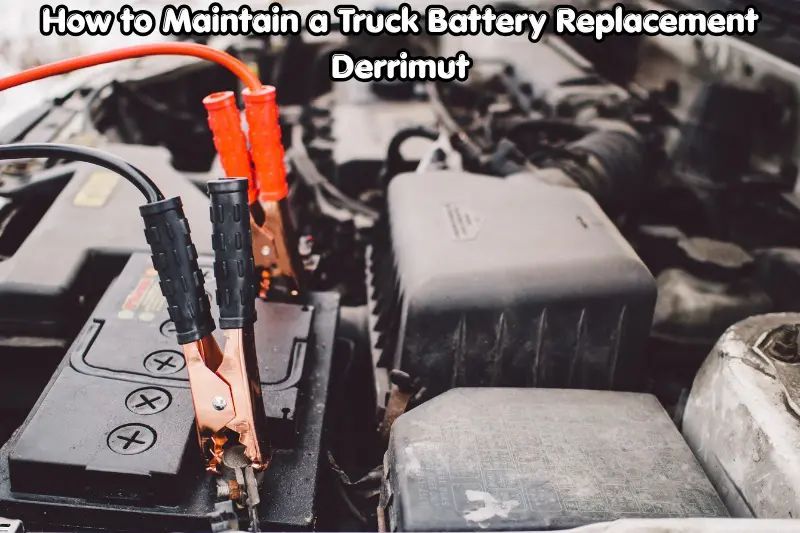
Good maintenance can help support dependable battery performance.
Useful practices include:
- Keep battery terminals and connections clean.
- Check for physical battery damage.
- Make sure battery hold-downs remain secure.
- Avoid leaving unnecessary electrical accessories operating.
- Check charging-system performance when battery problems recur.
- Have batteries tested as part of fleet maintenance.
- Address repeated starting problems early.
- Follow the truck manufacturer’s battery recommendations.
Battery maintenance is especially important for vehicles that spend long periods parked because inactivity can contribute to battery discharge.
Internal Linking Opportunities
For complete commercial vehicle support, explore our truck repairs Derrimut, mobile truck mechanic Derrimut, truck servicing Derrimut, and diesel truck repair Derrimut services. These resources provide useful information about truck maintenance, repairs, servicing, and common heavy-vehicle problems.
For official information about heavy-vehicle safety, regulations, and compliance in Australia, visit the National Heavy Vehicle Regulator (NHVR). This trusted government authority provides guidance for heavy-vehicle operators and businesses.
Truck Battery Replacement Derrimut: Practical Checklist
Before arranging battery replacement, truck owners can consider the following checklist:
- Is the engine cranking slowly?
- Has the truck required repeated jump-starts?
- Is the battery physically damaged?
- Are the battery terminals corroded?
- Has the battery been tested?
- Has the charging system been checked?
- Does the replacement battery meet the truck manufacturer’s requirements?
- Is the battery securely mounted after installation?
This checklist does not replace professional diagnosis, but it can help identify useful information before service begins.
How to Reduce Unexpected Battery Failures
Preventative maintenance is generally more effective than waiting for a truck to become completely inoperable.
Fleet operators can maintain records of battery inspections, starting issues, replacements, and charging-system checks. If one truck repeatedly develops battery problems, reviewing its electrical system and operating pattern may reveal the underlying cause.
Seasonal changes can also affect starting performance. Extreme temperatures can place additional demands on vehicle batteries, making battery condition particularly important for commercial operators.
Drivers should report repeated slow starting, unusual electrical behavior, or battery warning signs rather than continuing to operate the vehicle until it fails.
Frequently Asked Questions
How do I know if my Truck Battery Replacement Derrimut needs replacement?
A Truck battery replacement Derrimut may need replacement if it repeatedly fails to start the engine, loses charge, performs poorly during testing, or shows physical damage. However, starting problems can also come from the alternator, starter motor, cables, or electrical system. Proper testing is the best way to determine whether battery replacement is necessary.
How long does Truck battery replacement Derrimut take?
The actual replacement can often be completed relatively quickly when the correct battery is available and there are no additional electrical problems. The total service time depends on battery accessibility, vehicle configuration, testing requirements, and whether another fault is discovered during diagnosis.
Can a truck battery be recharged instead of replaced?
Yes, a discharged battery may sometimes be recharged if it is still in serviceable condition. Recharging will not restore a battery that has significant internal damage or has lost its ability to hold an adequate charge. Battery testing can help determine whether charging or replacement is the more appropriate solution.
Why does my new truck battery keep going flat?
A new battery that repeatedly becomes discharged may indicate an underlying problem. Possible causes include a charging-system fault, excessive electrical drain, poor terminal connections, or an issue with the vehicle’s electrical equipment. The battery and charging system should be tested together rather than repeatedly replacing batteries.
Is professional battery replacement better for commercial trucks?
Professional replacement can be beneficial because commercial trucks may have demanding starting and electrical requirements. A technician can identify the correct battery specification, inspect connections, test the charging system, install the battery safely, and verify starting performance after replacement.
Final Thoughts
Truck battery replacement Derrimut is not simply about removing an old battery and installing a new one. The correct battery must match the truck’s requirements, while the vehicle’s electrical and charging systems should also be considered when diagnosing repeated battery problems.
Truck owners and fleet operators can reduce downtime by responding to warning signs early, maintaining battery connections, testing batteries periodically, and addressing repeated starting problems before they become roadside failures.
If your truck is showing slow cranking, repeated discharge, or other battery-related symptoms, the practical next step is to arrange a battery and charging-system inspection and replace the battery only when testing confirms that replacement is required.
