

Introduction
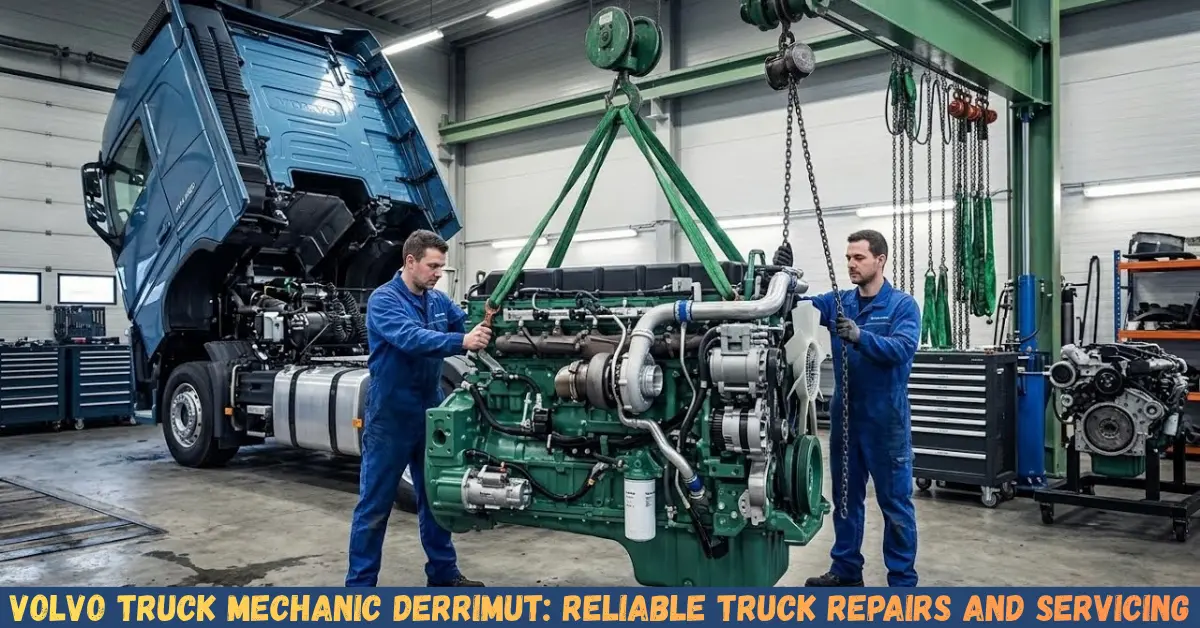
Volvo truck mechanic Derrimut services are designed to help truck owners, operators, and fleet managers keep their heavy vehicles safe, reliable, and ready for work. A well-maintained Volvo truck can perform more consistently, while early detection of mechanical problems can help prevent unexpected breakdowns and expensive repairs.
For businesses operating Volvo trucks around Derrimut and the wider Melbourne area, choosing a mechanic with experience in heavy-duty commercial vehicles is important. Volvo trucks use advanced engine, transmission, braking, electrical, and electronic systems that require the right diagnostic approach and specialist knowledge.
This guide explains what a Volvo truck mechanic does, which services you may need, how Volvo truck diagnostics work, common problems to watch for, and how to choose a reliable heavy-truck repair service. It also covers practical maintenance tips that can help truck owners identify problems before they become major issues.
What Does a Volvo Truck Mechanic Do?
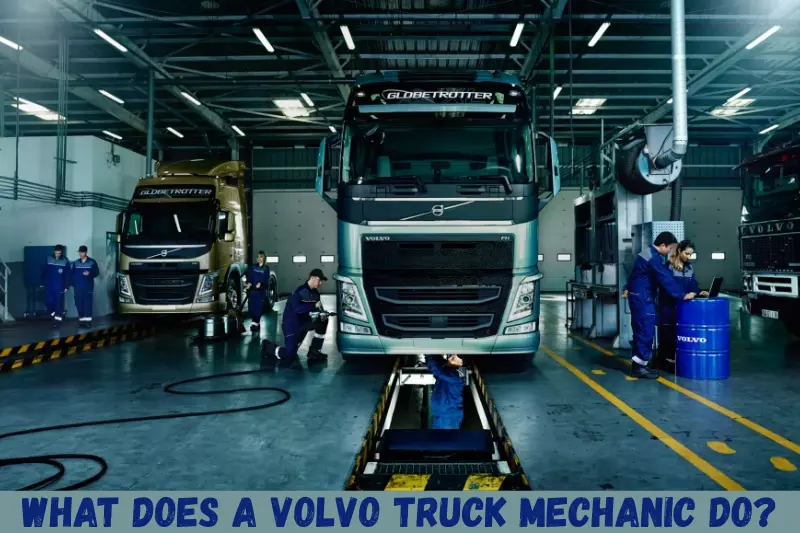
A Volvo truck mechanic is a qualified heavy-vehicle technician who inspects, diagnoses, services, and repairs Volvo commercial trucks. Their work can cover everything from routine engine servicing to complex electrical and transmission diagnostics.
Unlike a standard car mechanic, a heavy-truck mechanic works with larger engines, drivetrains, air-brake systems, suspension components, commercial vehicle electronics, and other systems designed for demanding workloads.
A professional mechanic may handle:
- Engine inspections and repairs
- Transmission servicing and repairs
- Brake system inspections
- Clutch repairs
- Suspension repairs
- Steering system checks
- Electrical diagnostics
- Cooling system repairs
- Exhaust and emissions system inspections
- Battery and charging-system checks
- Preventive truck maintenance
- Computer diagnostics
- Breakdown troubleshooting
The exact service required depends on the truck model, mileage, operating conditions, warning signs, and maintenance history.
Why Choose a Specialist Volvo Truck Mechanic in Derrimut?
Choosing a specialist can make the repair process more efficient because heavy commercial vehicles require equipment, knowledge, and repair procedures suited to trucks.
A Volvo truck mechanic Derrimut service can be particularly useful for operators who depend on their vehicles for regular deliveries, freight, construction, logistics, or other commercial work.
Better Understanding of Volvo Truck Systems
Volvo trucks contain interconnected mechanical and electronic systems. A fault in one component can sometimes create symptoms elsewhere.
For example, a dashboard warning may not always mean that the visible symptom is the actual cause. Proper diagnostics can help identify the underlying problem instead of simply replacing parts.
Reduced Risk of Unnecessary Repairs
Accurate diagnosis is important when repairing a commercial vehicle. Replacing components without confirming the actual fault can increase costs and downtime.
A systematic inspection can help determine whether the problem relates to the engine, transmission, electrical system, sensors, brakes, or another component.
Suitable Equipment for Heavy Vehicles
Heavy trucks require equipment capable of handling their size and weight. Professional workshops may use heavy-duty lifting equipment, diagnostic tools, inspection equipment, and specialised repair tools.
Support for Preventive Maintenance
Regular servicing can help identify worn or damaged components before they develop into serious failures. Preventive maintenance is especially important for trucks that operate frequently or carry heavy loads.
Common Volvo Truck Services in Derrimut
A professional Volvo truck repair service can provide different levels of maintenance depending on the truck’s condition and operating requirements.
Volvo Truck Engine Diagnostics and Repairs
The engine is one of the most important systems in any heavy-duty truck. Symptoms such as unusual noise, reduced performance, excessive smoke, overheating, or warning lights should not be ignored.
Engine-related services can include:
- Engine fault diagnosis
- Oil and filter servicing
- Cooling-system inspection
- Belt and hose checks
- Fuel-system inspection
- Turbocharger-related diagnosis
- Starting and charging-system checks
- Repair of identified engine faults
A mechanic should diagnose the cause of a problem before recommending major engine repairs.
Volvo Truck Transmission and Gearbox Repairs
Transmission problems can affect acceleration, shifting, fuel efficiency, and overall drivability.
Possible warning signs include:
- Difficulty changing gears
- Unusual transmission noise
- Delayed gear engagement
- Transmission warning messages
- Unexpected shifting behaviour
- Fluid leaks
The correct repair depends on the type of transmission and the actual fault. Early inspection can help prevent a minor issue from becoming a more complicated repair.
Brake System Inspection and Repairs
Brake maintenance is a critical part of heavy-truck servicing. Commercial trucks operate at significant weights, so braking components need regular inspection and appropriate maintenance.
A mechanic may inspect:
- Brake components
- Air-brake systems
- Brake lines and connections
- Brake chambers
- Brake controls
- Related sensors and components
If braking performance changes, the vehicle should be inspected promptly rather than continuing to operate normally.
Electrical and Diagnostic Services
Modern Volvo trucks use electronic systems for monitoring and controlling many vehicle functions.
Electrical or electronic problems can produce warning lights, starting difficulties, communication faults, sensor errors, or unusual vehicle behaviour.
Professional diagnostics may involve:
- Identifying the reported symptom.
- Checking relevant warning messages or fault codes.
- Inspecting wiring and electrical connections.
- Testing related components.
- Identifying the root cause.
- Carrying out the appropriate repair.
- Testing the vehicle after the repair.
This approach is generally more reliable than replacing electrical components based only on a warning light.
When Should You Visit a Volvo Truck Mechanic?
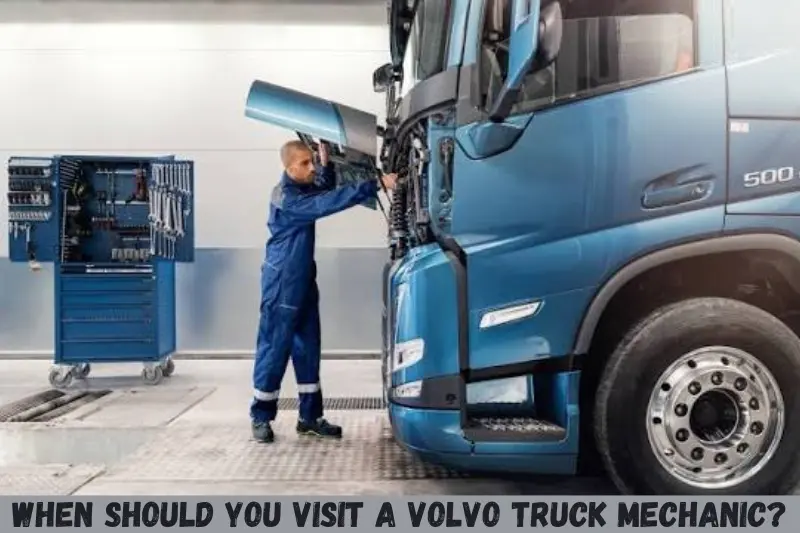
You should arrange an inspection when your truck shows a new warning sign, unusual performance change, fluid leak, abnormal noise, or other mechanical symptom.
Some signs that deserve attention include:
- Engine warning lights
- Reduced engine performance
- Excessive smoke
- Unusual engine or transmission noises
- Difficulty starting
- Overheating
- Brake performance changes
- Gear-shifting problems
- Steering problems
- Suspension abnormalities
- Fluid leaks
- Electrical faults
- Unusual vibrations
- Unexpected changes in fuel consumption
Not every warning means a major mechanical failure. However, ignoring a warning can allow a small problem to develop into a more expensive repair.
Preventive Maintenance for Volvo Trucks
Preventive maintenance means servicing and inspecting a truck before a component fails. It is an important part of keeping commercial vehicles dependable.
Follow the Correct Service Schedule
Maintenance intervals vary according to the truck model, operating conditions, usage, and manufacturer recommendations.
Keep records of:
- Oil changes
- Filter replacements
- Brake inspections
- Tyre checks
- Transmission servicing
- Cooling-system maintenance
- Electrical repairs
- Major component replacements
Accurate records also make it easier for a mechanic to understand the vehicle’s maintenance history.
Check Fluids Regularly
Fluid levels and condition can provide useful clues about vehicle health.
Depending on the truck and system, inspections may include engine oil, coolant, transmission fluid, and other manufacturer-specified fluids.
Leaks should never be treated as normal. A visible leak should be investigated to determine its source.
Inspect Tyres and Brakes
Tyres and braking systems are essential for safe truck operation. Regular inspections can help identify wear, damage, pressure issues, or other problems.
For commercial operators, routine inspections should be part of the normal vehicle maintenance process rather than something done only after a problem occurs.
How to Choose the Right Volvo Truck Mechanic Derrimut
Not every workshop is equally suitable for heavy Volvo truck repairs. Before booking a service, consider several factors.
Check Heavy-Vehicle Experience
Look for a mechanic or workshop with experience working on heavy commercial vehicles and Volvo trucks.
Ask whether they regularly handle the type and model of truck you operate.
Ask About Diagnostic Capabilities
Modern truck repairs often require electronic diagnostics. A suitable workshop should have appropriate diagnostic equipment and technicians who understand how to interpret diagnostic information.
Consider the Full Service Offered
A workshop that can diagnose and repair multiple systems may be more convenient than one that only handles basic mechanical work.
Consider whether the workshop provides:
- Diagnostics
- Mechanical repairs
- Electrical repairs
- Brake servicing
- Transmission work
- Preventive maintenance
- Fleet servicing
- Breakdown support, if required
Ask for a Clear Explanation
A trustworthy mechanic should be able to explain what was inspected, what problem was found, and why a particular repair is recommended.
You can also ask whether the repair is urgent or whether it can safely be planned for a later service.
Volvo Truck Repair vs. Preventive Maintenance
| Preventive Maintenance | Repair Service |
|---|---|
| Planned before failure | Usually performed after a problem appears |
| Helps identify wear early | Addresses an existing fault |
| Can reduce unexpected downtime | May require urgent downtime |
| Based on maintenance schedules and inspections | Based on symptoms and diagnosis |
| Supports long-term vehicle reliability | Restores affected vehicle systems |
Both are important. Preventive maintenance does not eliminate every possible breakdown, but regular inspections can help identify developing issues earlier.
What Happens During a Professional Truck Inspection?
A professional inspection normally starts by understanding the truck’s symptoms and maintenance history.
Step 1: Discuss the Problem
Tell the mechanic exactly what you have noticed. Include warning lights, noises, performance changes, leaks, or recent repairs.
Step 2: Visual Inspection
The technician may inspect the engine compartment, underbody, tyres, hoses, connections, fluid leaks, and other visible components.
Step 3: Diagnostic Testing
If an electronic fault is suspected, diagnostic equipment may be used to identify relevant fault information.
Step 4: Component Testing
The mechanic determines whether the suspected component is actually responsible for the problem.
Step 5: Repair Recommendation
Once the fault is identified, the mechanic can explain the recommended repair and any additional maintenance that may be required.
Step 6: Final Testing
After repairs, the vehicle should be checked to confirm that the original issue has been addressed and that the relevant systems are operating correctly.
Common Mistakes Truck Owners Should Avoid
Ignoring Warning Lights
A warning light should not automatically be dismissed because the truck still appears to drive normally. Some faults can become more serious if left unresolved.
Delaying Routine Servicing
Commercial trucks can accumulate significant kilometres and operating hours. Delaying scheduled maintenance can increase the chance of component wear going unnoticed.
Choosing a Mechanic Only on Price
The cheapest initial quote is not necessarily the lowest overall cost. The quality of diagnosis, parts, workmanship, and follow-up service can also affect the final expense.
Replacing Parts Without Proper Diagnosis
A fault code does not always mean the related component itself has failed. Professional diagnosis should determine the actual cause.
Failing to Keep Maintenance Records
Without service records, it can be difficult to determine when components were inspected or replaced. Good records help both truck owners and mechanics make better maintenance decisions.
Tips for Truck Fleet Owners
Fleet operators can benefit from a structured maintenance system.
Keep a separate service history for every truck and record:
- Vehicle identification details
- Service dates
- Mileage or operating hours
- Repairs completed
- Parts replaced
- Diagnostic findings
- Upcoming maintenance requirements
Drivers should also be encouraged to report unusual noises, warning lights, handling changes, and performance issues as soon as they notice them.
Early reporting can give maintenance teams an opportunity to inspect the vehicle before a minor issue becomes a larger operational problem.
Benefits of Professional Volvo Truck Servicing
Professional servicing offers several practical advantages:
- Better identification of mechanical problems
- Improved maintenance planning
- Reduced risk of unexpected failures
- Better understanding of vehicle condition
- Proper attention to safety-related systems
- More organised maintenance records
- Potentially less unnecessary component replacement
However, professional servicing does not guarantee that a truck will never break down. Heavy vehicles operate under demanding conditions, and components can still wear or fail unexpectedly.
Internal link
Volvo truck repairsVolvo truck informationVolvo truck informationtruck maintenance servicesVolvo TrucksFrequently Asked Questions
What does a Volvo truck mechanic in Derrimut repair?
A Volvo truck mechanic can diagnose and repair systems including engines, transmissions, brakes, suspension, steering, electrical components, cooling systems, and other heavy-vehicle systems. The exact service depends on the truck model and the problem. Always confirm that the workshop has experience with your specific Volvo truck before booking complex repairs.
How often should a Volvo truck be serviced?
The correct service interval depends on the Volvo truck model, operating conditions, mileage, usage, and manufacturer recommendations. Trucks used for demanding commercial work may require particularly careful maintenance planning. Following the manufacturer’s recommended maintenance schedule and keeping accurate service records is the best starting point.
Can a mechanic diagnose Volvo truck warning lights?
Yes, appropriate heavy-vehicle diagnostic equipment can help identify stored fault information and guide further testing. However, a diagnostic code does not necessarily prove that a particular component has failed. A qualified technician should interpret the information and perform additional testing before recommending parts replacement.
What are common signs that a Volvo truck needs repair?
Common warning signs include unusual noises, reduced performance, overheating, fluid leaks, starting problems, warning lights, abnormal vibrations, transmission issues, and changes in braking or steering behaviour. If a new symptom appears, arranging an inspection promptly can help determine whether the problem is minor or requires immediate attention.
How can I find a reliable Volvo truck mechanic in Derrimut?
Look for a heavy-vehicle workshop with relevant Volvo truck experience, suitable diagnostic equipment, qualified technicians, transparent communication, and a clear approach to repairs. Ask what services they provide, whether they handle your truck model, and how they diagnose faults before authorising major repair work.
Expert Tips for Better Volvo Truck Maintenance
A few simple habits can make truck maintenance more organised and effective:
- Do not ignore new warning signs. Record them and report them to the mechanic.
- Maintain a complete service history. This gives technicians useful information when diagnosing problems.
- Use the correct parts and fluids. Follow the vehicle manufacturer’s requirements.
- Inspect the truck before long journeys. Check tyres, lights, visible leaks, and other basic items.
- Train drivers to report problems early. Drivers often notice changes before a workshop inspection.
- Plan maintenance around vehicle usage. Scheduled downtime is generally easier to manage than an unexpected breakdown.
- Request diagnosis before major repairs. Understanding the actual fault helps avoid unnecessary component replacement.
Conclusion
Finding a dependable Volvo truck mechanic Derrimut service is important for truck owners and operators who rely on their vehicles for regular commercial work. Professional maintenance can cover engine servicing, transmission repairs, brake inspections, electrical diagnostics, cooling systems, suspension, and other essential heavy-vehicle components.
The best approach is not to wait for a serious breakdown. Follow the appropriate maintenance schedule, keep detailed service records, pay attention to warning signs, and arrange professional diagnostics when something changes.
If your Volvo truck develops a warning light, unusual noise, performance problem, leak, or other mechanical issue, the practical next step is to arrange an inspection with an experienced heavy-vehicle technician. Providing the truck’s model, symptoms, maintenance history, and recent repairs can also help the mechanic diagnose the issue more efficiently.
