

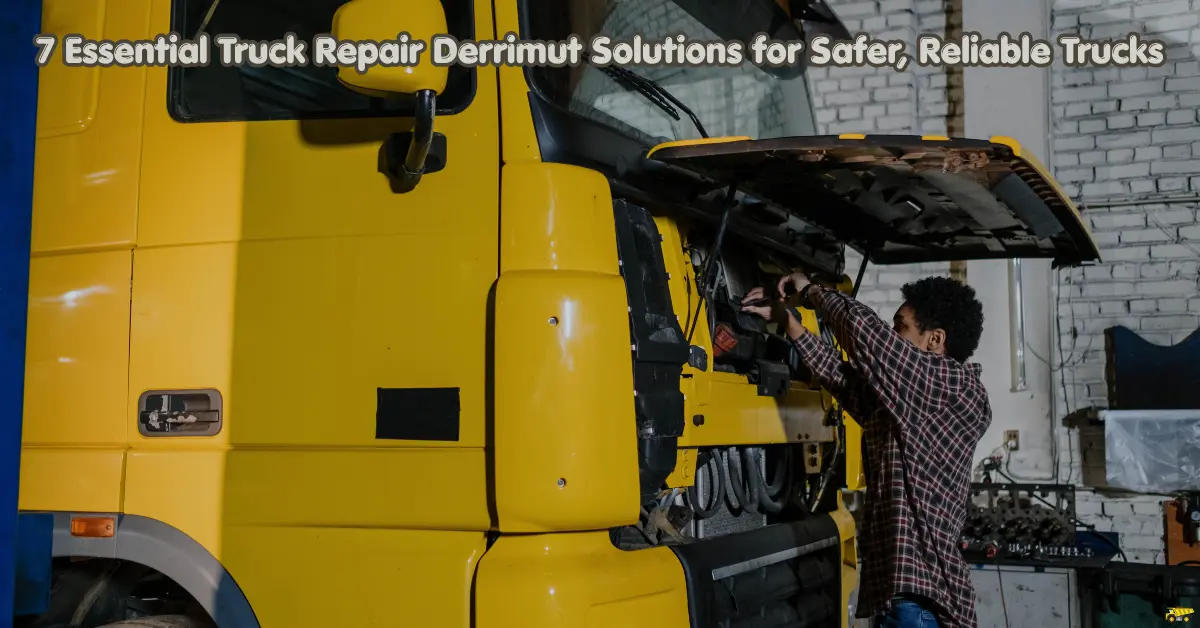
Truck Repair Derrimut: A Complete Guide for Truck Owners
Truck repair Derrimut services help keep heavy vehicles, commercial trucks, delivery vehicles, and fleet assets safe, reliable, and ready for work. Regular inspection and timely repairs can help identify problems before they become major mechanical failures.
This guide explains the most common truck repair requirements in Derrimut, including engine problems, braking issues, suspension faults, electrical failures, transmission concerns, tyre problems, and preventative maintenance. It also explains when to call a professional mechanic and how to choose a dependable repair service.
For businesses operating trucks around Derrimut and Melbourne’s western industrial areas, keeping vehicles properly maintained is important for safety, productivity, and compliance. A truck that develops a mechanical fault can cause delivery delays, unexpected expenses, and potentially dangerous roadside situations.
What Does Truck Repair Derrimut Include?
Truck repair Derrimut covers the inspection, diagnosis, servicing, maintenance, and repair of heavy vehicles and commercial trucks. Depending on the vehicle and fault, a repair may involve mechanical, electrical, braking, suspension, drivetrain, engine, or cooling-system components.
A professional truck repair service may inspect:
- Diesel and petrol engines
- Brakes and brake components
- Suspension systems
- Steering components
- Gearboxes and transmissions
- Clutches
- Differentials and driveline components
- Cooling systems
- Batteries and charging systems
- Electrical and electronic systems
- Exhaust and emissions components
- Wheels, tyres, and hubs
- Trailer connections and related components
The exact repair procedure depends on the truck’s manufacturer, model, age, operating conditions, fault codes, and maintenance history.
Why Regular Truck Repairs Matter
Regular truck maintenance is more than simply fixing a vehicle after it breaks down. Preventative servicing gives operators an opportunity to identify worn, damaged, or deteriorating components before they create a larger problem.
A well-maintained truck can provide more dependable operation, while neglected faults can affect safety and increase downtime.
The National Heavy Vehicle Regulator (NHVR) states that heavy vehicles must meet applicable safety standards, and its inspection manual covers important areas such as brakes, steering, suspension, wheels, tyres, engine, driveline, exhaust, lights, and other vehicle systems.
For businesses, a planned maintenance approach can also make vehicle expenses easier to manage because repairs can often be scheduled instead of occurring unexpectedly.
7 Common Truck Repair Derrimut Problems in Derrimut
1. Engine and Diesel System Problems
Engine issues are among the most serious truck repair concerns because the engine is responsible for producing the power needed to move a heavily loaded vehicle.
Common warning signs include:
- Difficulty starting
- Excessive exhaust smoke
- Reduced engine power
- Unusual knocking or rattling
- Increased fuel consumption
- Rough idling
- Engine warning lights
- Oil or coolant leaks
A diesel truck may also experience problems with fuel injectors, turbochargers, fuel filters, sensors, cooling systems, or emissions-related components.
Ignoring an engine warning can allow a relatively manageable issue to become a more expensive repair. If the truck suddenly loses power or begins overheating, it is safer to stop in a suitable location and arrange professional assistance.
2. Brake Repairs
Brakes require immediate attention because they directly affect the truck’s ability to slow down and stop safely.
Signs of possible brake problems include grinding noises, pulling to one side, unusual vibrations, reduced braking performance, air-pressure issues, or warning lights.
Truck braking systems can be more complex than those found on passenger vehicles. Depending on the vehicle, components may include air compressors, brake chambers, hoses, valves, discs, drums, pads, shoes, ABS components, and electronic braking systems.
A mechanic should inspect the complete braking system rather than replacing one visible component without diagnosing the underlying problem.
3. Suspension and Steering Repairs
Suspension components help support the vehicle, manage road impacts, and maintain appropriate handling. Steering components allow the driver to control the truck’s direction.
Problems may appear as:
- Uneven tyre wear
- Excessive bouncing
- Vehicle leaning
- Steering vibration
- Loose steering
- Pulling to one side
- Unusual suspension noises
- Uneven ride height
Worn shocks, damaged bushes, air suspension faults, broken springs, steering joints, or other damaged components can affect handling and tyre performance.
Early diagnosis is especially important for trucks that regularly carry heavy loads or travel over rough roads.
4. Transmission and Clutch Problems
The transmission transfers engine power to the wheels and must operate correctly under significant load.
Possible transmission warning signs include difficulty selecting gears, slipping, grinding, delayed engagement, unusual noises, or fluid leaks.
Clutch problems may cause difficulty changing gears, clutch slipping, unusual pedal behaviour, or poor power transfer.
Continuing to operate a truck with a serious transmission or clutch problem can increase component wear.
A professional inspection can determine whether the issue is related to adjustment, fluid, hydraulics, clutch components, electronics, or internal transmission parts.
5. Electrical and Battery Faults
Modern trucks depend on electrical and electronic systems for starting, lighting, sensors, safety systems, communication, engine management, and other functions.
Common electrical problems include:
- Flat or weak batteries
- Alternator problems
- Starter motor faults
- Blown fuses
- Damaged wiring
- Poor electrical connections
- Faulty sensors
- Warning lights
Electrical faults can sometimes be difficult to diagnose because a single damaged wire, sensor, connection, or charging component can create multiple symptoms.
A proper diagnostic test is generally more effective than repeatedly replacing parts without identifying the actual cause.
6. Cooling System Problems
A truck’s cooling system helps control engine temperature. Cooling-system problems can quickly become serious if the engine overheats.
Watch for:
- Rising temperature gauges
- Coolant leaks
- Low coolant levels
- Steam from the engine area
- Coolant contamination
- Damaged hoses
- Radiator problems
- Cooling fan faults
Overheating should not be ignored. Continuing to drive an overheating truck can cause severe engine damage.If the temperature rises beyond its normal range, the safest approach is to stop when conditions allow, allow the vehicle to cool appropriately, and seek professional assistance.
7. Tyre, Wheel, and Hub Issues
Tyres are a major safety component and should be inspected regularly for damage, abnormal wear, pressure issues, and other visible concerns.
Uneven wear can sometimes indicate alignment, suspension, steering, loading, or tyre-related problems.
Wheel and hub inspections are also important for heavy vehicles because these components operate under substantial loads.
Drivers should report unusual vibrations, noises, tyre damage, or changes in vehicle handling rather than continuing normal operation and hoping the problem disappears.
When Should You Book Truck Repair Derrimut?
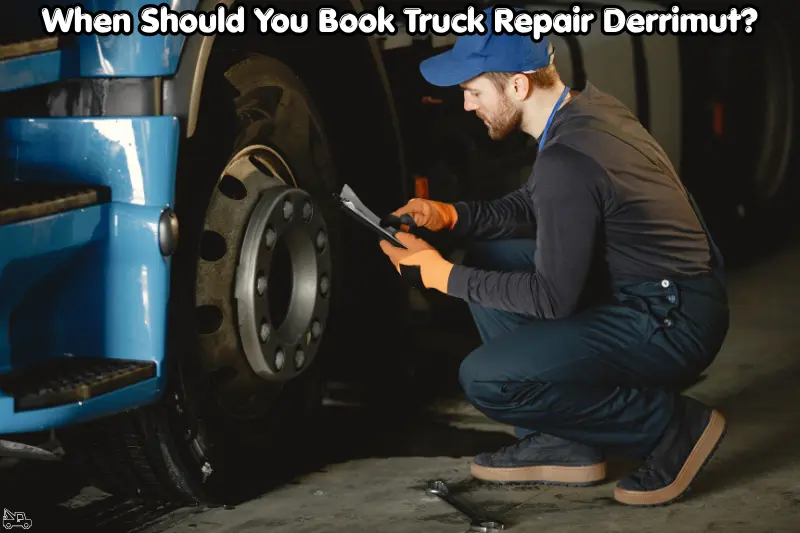
You should arrange Truck repair Derrimut when you notice a warning sign, unusual vehicle behaviour, reduced performance, or a component that is visibly damaged.
Some problems require immediate attention, while others can be scheduled for the next maintenance appointment.
Arrange urgent inspection if you notice:
- Brake performance suddenly decreases
- The engine overheats
- Steering becomes difficult or unstable
- A major fluid leak develops
- A serious warning light appears
- The truck loses significant power
- A tyre or wheel becomes damaged
- Unusual smoke or strong burning smells appear
- The vehicle becomes unsafe to operate
A vehicle with a serious safety defect should not simply be driven to a workshop if doing so could create a danger. Roadside assistance or mobile repair may be more appropriate depending on the situation.
Mobile Truck Repair Derrimut vs Workshop Repairs
Both mobile and workshop-based repairs can be useful, but the right option depends on the problem.
| Mobile Truck Repair | Workshop Truck Repair |
|---|---|
| Useful for roadside faults | Better for extensive repairs |
| Can reduce towing requirements | Access to more workshop equipment |
| Convenient for fleet operators | Suitable for major component work |
| Helpful for urgent diagnosis | Better for longer repair jobs |
| Useful when a truck cannot move | Suitable for scheduled servicing |
| Mobile repair can be particularly practical when a truck has stopped working at a depot, industrial site, roadside location, or another accessible area. | |
| However, complex engine rebuilds, major transmission work, fabrication, or repairs requiring specialised workshop equipment may need to be completed at a suitable facility. |
How to Choose a Reliable Truck Mechanic in Derrimut
Choosing a truck mechanic should not be based only on the cheapest quoted price. Heavy vehicles require appropriate diagnostic knowledge, tools, replacement components, and experience.
Before approving a repair, ask:
- What is causing the problem?
- What components need attention?
- Is the repair urgent?
- What parts will be used?
- How long is the repair expected to take?
- What warranty or workmanship coverage applies?
- Will additional problems be reported before extra work is performed?
A good repair provider should explain the problem clearly rather than using complicated technical language to pressure the customer.
For fleet operators, it can also be useful to maintain service records showing inspections, repairs, replaced components, and future maintenance requirements.
Preventative Maintenance Tips for Truck Owners
Preventative maintenance helps reduce avoidable breakdowns and gives operators a better opportunity to identify wear before it becomes a major failure.
Useful maintenance practices include:
- Follow the manufacturer’s recommended service intervals.
- Check engine oil and coolant levels as required.
- Inspect tyres and look for abnormal wear.
- Check lights and indicators.
- Monitor dashboard warning lights.
- Pay attention to unusual sounds and vibrations.
- Check for visible fluid leaks.
- Keep maintenance records.
- Conduct appropriate pre-trip safety checks.
- Repair reported defects promptly.
The NHVR recommends daily safety checks for heavy vehicles and provides guidance to help drivers and operators identify basic safety issues before a vehicle is used on the road.
Maintenance schedules should also reflect how the truck is used. A vehicle carrying heavy loads every day may experience different wear patterns from a truck used occasionally for lighter work.
Common Mistakes to Avoid
Ignoring Warning Lights
A warning light does not always mean an immediate catastrophic failure, but it should not be ignored. Diagnostic equipment can help identify what the vehicle’s electronic systems have detected.
Delaying Brake Repairs
Brake issues should never be treated as minor inconveniences. If braking performance changes, arrange an inspection as soon as possible.
Using the Wrong Parts or Fluids
Heavy vehicles require components and fluids that meet the manufacturer’s specifications. The cheapest available part is not necessarily the correct part.
Skipping Maintenance Because the Truck Still Runs
A truck can continue operating even when components are wearing out. Waiting until complete failure may result in more downtime and additional repairs.
Choosing a Mechanic Only by Price
A low initial quote may not represent the total cost if important diagnostic work, quality components, or additional required repairs are excluded.
A better approach is to compare the proposed repair, parts, labour, diagnostic process, and expected outcome.
How a Professional Truck Repair Derrimut Process Works
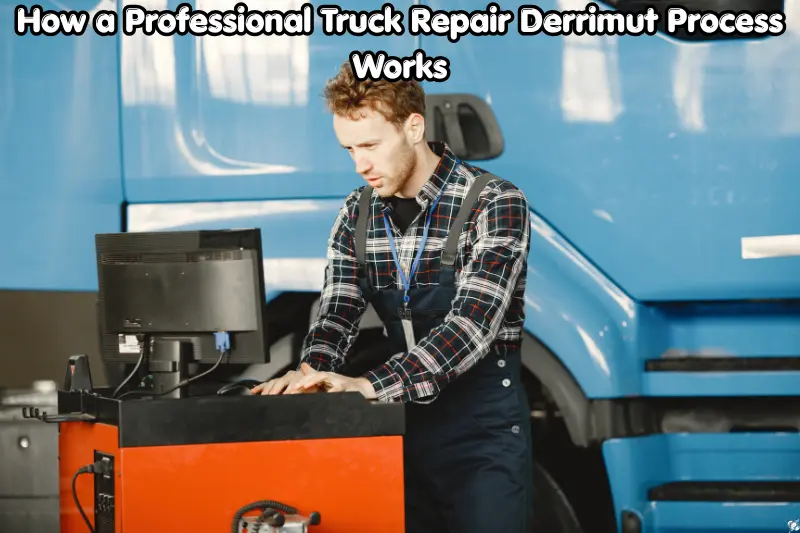
A structured repair process helps reduce guesswork and unnecessary part replacement.
Step 1: Initial Inspection
The mechanic discusses the symptoms with the driver or operator and visually inspects the vehicle.
Step 2: Diagnostic Testing
Depending on the problem, the mechanic may perform electronic diagnostics, fluid checks, pressure tests, mechanical inspections, or component testing.
Step 3: Identify the Root Cause
The objective should be to determine why the fault occurred rather than simply replacing the first damaged-looking component.
Step 4: Repair Recommendation
The customer receives an explanation of the required repair and, where appropriate, an estimate of parts, labour, and expected downtime.
Step 5: Repair and Testing
The damaged component is repaired or replaced, followed by appropriate testing to confirm that the fault has been addressed.
Step 6: Maintenance Record
The repair should be recorded so future servicing can take the vehicle’s history into account.
Internal Linking for Related Truck Services
For dependable truck repair Derrimut services, you can explore our related truck maintenance solutions. Learn more about truck servicing Derrimut, truck mechanic Derrimut, heavy vehicle repairs Derrimut, and mobile truck mechanic Derrimut to find the right service for your commercial vehicle.
Truck owners should also follow official heavy vehicle safety and inspection requirements when arranging repairs and maintenance. The National Heavy Vehicle Regulator (NHVR) provides detailed information about heavy vehicle inspection requirements, including brakes, steering, suspension, tyres, wheels, engine, driveline, lighting, and other important vehicle components.
Trusted Heavy Vehicle Safety Reference
For official information about heavy vehicle standards, inspections, modifications, and compliance requirements in Australia, consult the National Heavy Vehicle Regulator (NHVR). Its National Heavy Vehicle Inspection Manual covers areas including brakes, steering, suspension, tyres, wheels, engine, driveline, exhaust, lighting, and other inspection requirements.
NHVR Vehicle Standards and Modifications
Frequently Asked Questions
What is included in truck repair Derrimut services?
Truck repair Derrimut services can include engine diagnostics, diesel-system repairs, brake servicing, suspension repairs, steering work, transmission and clutch repairs, electrical diagnostics, cooling-system repairs, tyre-related inspections, and general heavy-vehicle maintenance. The exact service depends on the truck’s condition, manufacturer requirements, operating environment, and specific mechanical fault.
How often should a truck be serviced?
Truck servicing should follow the manufacturer’s recommended maintenance schedule while also considering mileage, operating hours, load, road conditions, and usage. Trucks that work heavily or operate in demanding conditions may require closer monitoring. Daily safety checks and prompt attention to warning signs should complement scheduled professional servicing.
Is mobile truck repair available in Derrimut?
Mobile truck repair can be useful when a vehicle develops a fault at a depot, industrial location, or suitable roadside position. A mobile mechanic may be able to diagnose and repair certain faults without requiring the truck to be towed. Major repairs that require specialised workshop equipment may still need to be completed at a workshop.
What are the signs that a truck needs immediate repair?
Important warning signs include reduced braking performance, overheating, significant fluid leaks, severe steering problems, sudden loss of engine power, damaged tyres, unusual smoke, strong burning smells, or serious dashboard warnings. If a defect could make the vehicle unsafe, the truck should not continue operating until the problem has been properly assessed.
How can truck owners reduce unexpected breakdowns?
The best approach is preventative maintenance combined with daily safety checks and timely repairs. Follow manufacturer service recommendations, monitor fluid levels, inspect tyres, pay attention to warning lights and unusual noises, maintain accurate service records, and address small faults before they develop into larger mechanical failures.
Conclusion
Reliable truck operation depends on regular inspections, preventative maintenance, and professional repairs when problems appear. From engine and brake problems to suspension, transmission, electrical, cooling, tyre, and steering faults, early diagnosis can help prevent avoidable downtime.
When choosing truck repair Derrimut services, look for a provider that can diagnose the actual cause of a problem, explain the repair clearly, use suitable components, and follow appropriate heavy-vehicle safety requirements.
For truck owners and fleet operators, the practical next step is simple: review your vehicle’s maintenance history, check for current warning signs, and arrange a professional inspection if any mechanical or safety issue needs attention.
