

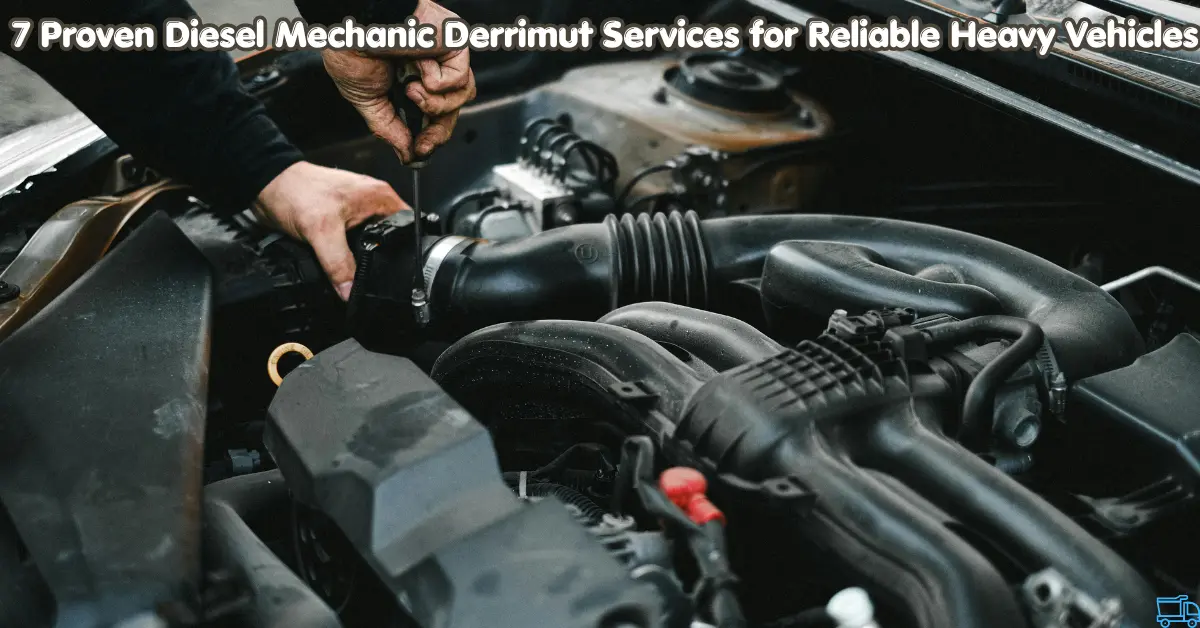
Diesel Mechanic Derrimut: Complete Guide to Reliable Diesel Vehicle Care
Diesel mechanic Derrimut services help truck, van, fleet, and heavy-vehicle owners diagnose mechanical problems, complete scheduled maintenance, and keep diesel-powered vehicles safe and dependable. This guide explains what a diesel mechanic does, which services are commonly required, when to seek professional help, how preventive maintenance can reduce unexpected downtime, and how to choose the right workshop or mobile mechanic.
For businesses operating commercial vehicles, mechanical reliability directly affects schedules, deliveries, operating costs, and driver safety. A small diesel engine problem can sometimes develop into a larger repair if warning signs are ignored. Regular inspections and timely servicing can help identify issues before they become more disruptive.
Derrimut is an important industrial and commercial area in Melbourne’s western suburbs, making dependable vehicle servicing particularly useful for businesses operating trucks, vans, trailers, and other diesel-powered equipment. Whether a vehicle needs routine servicing or urgent fault diagnosis, choosing a suitably qualified diesel mechanic is an important part of responsible fleet management.
What Does a Diesel Mechanic Derrimut Do?
A Diesel mechanic Derrimut specializes in inspecting, maintaining, diagnosing, and repairing vehicles and equipment powered by diesel engines. Their work can include engines, fuel systems, cooling systems, braking components, transmissions, suspension, electrical systems, exhaust components, and other mechanical systems.
A Diesel mechanic Derrimut professional may work on light commercial vehicles as well as larger trucks and heavy vehicles. The exact services depend on the workshop’s equipment, technician qualifications, vehicle type, and manufacturer requirements.
Common diesel mechanic services include:
- Diesel engine diagnostics
- Engine servicing and repairs
- Oil and filter replacement
- Fuel-system inspection
- Injector and turbocharger diagnosis
- Battery and electrical checks
- Cooling-system repairs
- Brake inspection and repairs
- Suspension and steering checks
- Transmission servicing
- Exhaust and emissions-system diagnosis
- Preventive fleet maintenance
Why Regular Diesel Servicing Matters
Regular diesel servicing helps identify developing mechanical problems before they become major failures. Preventive maintenance does not eliminate every breakdown, but it can improve vehicle reliability and make maintenance more predictable.
Diesel engines operate under demanding conditions, particularly in commercial vehicles that carry heavy loads or travel long distances. Engine oil, filters, cooling components, belts, hoses, brakes, tyres, suspension components, and electrical systems all require appropriate inspection and maintenance.
Better Reliability
A properly maintained vehicle is less likely to experience avoidable mechanical problems. Routine inspections allow technicians to identify worn or damaged components before they cause a roadside failure.
Reduced Downtime
For businesses, an unavailable truck can affect deliveries, appointments, employees, and customer commitments. Preventive maintenance helps fleet operators plan servicing instead of relying entirely on emergency repairs.
Improved Safety
Brake, steering, suspension, tyre, lighting, and other mechanical problems can affect vehicle control and road safety. Regular inspections help identify safety-related defects that require attention.
More Predictable Maintenance Costs
Preventive servicing creates an opportunity to identify repairs early. Replacing a worn component during planned maintenance can sometimes be less disruptive than dealing with a secondary failure after the component breaks.
Common Diesel Mechanic Derrimut Services
A professional diesel workshop may provide a broad range of services depending on its capabilities. Always confirm that the mechanic has the equipment and experience needed for your particular vehicle.
Diesel Engine Diagnostics
Modern diesel vehicles often use electronic engine management systems. Diagnostic equipment can help technicians identify fault codes and investigate symptoms such as pooracceleration, warning lights, rough running, excessive smoke, or reduced engine performance.
Diagnostics should not simply mean reading a fault code and replacing a part. A good technician should investigate the underlying cause and verify the repair afterward.
Diesel Engine Repairs
Engine repairs can range from relatively simple component replacement to more complex mechanical work. Depending on the diagnosis, a technician may inspect components such as injectors, turbochargers, sensors, belts, cooling components, or other engine systems.
If an engine is showing unusual noises, overheating, severe power loss, or persistent warning lights, professional diagnosis is preferable to continued operation without investigation.
Oil and Filter Servicing
Engine oil lubricates internal components and helps control heat and contaminants. Diesel engines also rely on appropriate filtration to protect engine systems from dirt and other particles.
Oil and filter replacement should follow the vehicle manufacturer’s service requirements and the operating conditions of the vehicle. Heavy commercial use may require particularly careful maintenance planning.
Fuel System Inspection
The diesel fuel system is essential for efficient engine operation. Problems involving injectors, fuel filters, pumps, contamination, or fuel pressure can cause hard starting, poor performance, rough running, or increased fuel consumption.
A Diesel mechanic Derrimut can diagnose fuel-system symptoms and determine whether cleaning, component replacement, or further testing is required.
Turbocharger Diagnosis
Turbochargers allow many modern diesel engines to produce useful power and torque from relatively compact engines. A turbo-related problem may result in reduced power, unusual noises, excessive smoke, or other performance symptoms.
Because similar symptoms can come from different engine problems, proper diagnosis is important before replacing an expensive turbocharger.
Cooling System Repairs
The cooling system helps keep engine temperature within its intended operating range. Problems involving coolant levels, hoses, radiators, thermostats, water pumps, fans, or related components can contribute to overheating.
An overheating warning should never be ignored. Continued operation with severe overheating can result in expensive engine damage.
When Should You Visit a Diesel Mechanic Derrimut?
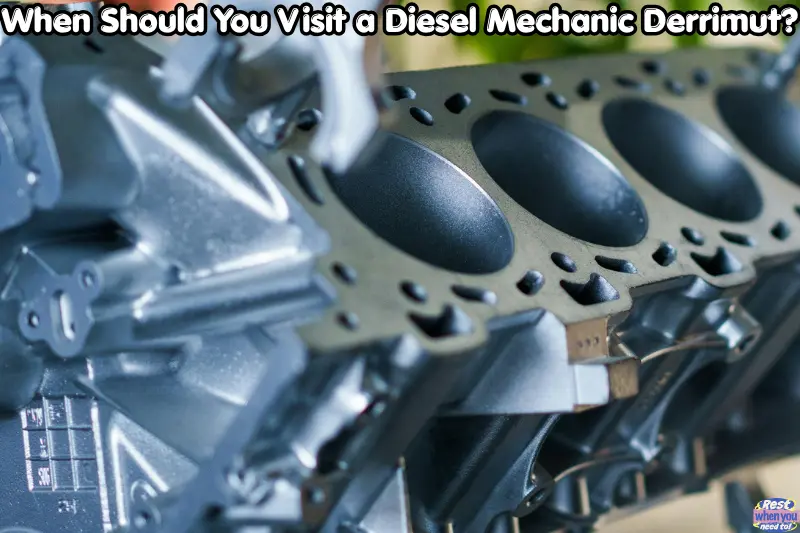
You should arrange professional inspection when a diesel vehicle develops persistent performance, safety, starting, or warning-light problems. Early diagnosis can help prevent a minor fault from becoming a major repair.
Watch for these warning signs:
- Difficulty starting the engine
- Unusual engine noises
- Excessive exhaust smoke
- Loss of engine power
- Poor acceleration
- Engine overheating
- Unusual fuel consumption
- Dashboard warning lights
- Brake or steering problems
- Vehicle vibration
- Transmission slipping or unusual shifting
- Oil or coolant leaks
- Repeated battery or electrical problems
Some warning signs require immediate attention. For example, severe overheating, major fluid leaks, serious brake problems, or significant loss of vehicle control should not be treated as routine maintenance issues.
Diesel Mechanic Derrimut for Fleet Maintenance
Fleet operators can benefit from structured maintenance schedules because multiple vehicles require consistent inspection and servicing. Instead of waiting for each truck to develop a problem, fleet managers can use mileage, engine hours, manufacturer recommendations, operating conditions, and vehicle history to plan maintenance.
A practical fleet maintenance system can include:
- Record each vehicle’s service history.
- Track mileage and operating hours where applicable.
- Schedule oil and filter servicing according to manufacturer requirements.
- Inspect brakes, tyres, suspension, steering, and lights regularly.
- Record recurring faults and repairs.
- Investigate repeated warning lights instead of repeatedly clearing them.
- Plan major maintenance during suitable operating periods.
- Review repair records to identify recurring vehicle problems.
This approach can make maintenance easier to manage and give fleet managers a clearer understanding of vehicle condition.
Mobile Diesel Mechanic Derrimut vs Workshop Service
A mobile Diesel mechanic Derrimut can be useful when a commercial vehicle cannot conveniently travel to a workshop or when on-site diagnosis is practical. Mobile servicing may be suitable for some inspections, diagnostics, minor repairs, and maintenance tasks.
A workshop can provide access to larger equipment, lifting systems, specialized machinery, parts, and facilities needed for more complex repairs.
Mobile Service May Be Useful For
- Breakdown diagnosis
- Battery-related problems
- Some electrical faults
- Routine inspections
- Minor mechanical repairs
- Certain roadside repairs
Workshop Service May Be Better For
- Major engine repairs
- Transmission work
- Complex suspension repairs
- Extensive brake repairs
- Components requiring specialized machinery
- Repairs requiring extended workshop access
The best option depends on the vehicle’s condition, repair requirements, safety considerations, and the mechanic’s available equipment.
How to Choose a Diesel Mechanic in Derrimut
Choosing a mechanic should involve more than selecting the first service provider that appears in search results. Consider the mechanic’s experience, equipment, service range, communication, availability, and familiarity with your vehicle type.
Check Relevant Experience
Ask whether the mechanic regularly works on diesel trucks, commercial vehicles, fleet vehicles, or your particular make and model.
Ask About Diagnostics
Modern diesel vehicles may require electronic diagnostic equipment as well as traditional mechanical inspection. Confirm that the workshop can diagnose the systems installed on your vehicle.
Request a Clear Explanation
A trustworthy mechanic should be able to explain the diagnosed problem, recommended repair, urgency, and expected work in understandable language.
Compare the Complete Service
The cheapest quote is not always the best option. Compare what is included, the parts being used, diagnostic work, labour, warranty terms, and expected completion time.
Consider Availability
For commercial operators, downtime matters. A mechanic offering suitable appointment scheduling or mobile assistance can be valuable when a vehicle is needed for regular operations.
Questions to Ask Before Authorizing Repairs
Before approving significant work, ask:
- What caused the problem?
- Which components need repair or replacement?
- Is the repair urgent?
- Are diagnostic costs included?
- What parts will be used?
- Is there a warranty on the repair?
- How long is the expected repair time?
- Are there additional issues that should be addressed now?
Clear communication can reduce misunderstandings and help vehicle owners make informed maintenance decisions.
Diesel Maintenance Tips for Truck Owners
Good maintenance begins between professional servicing appointments. Drivers and fleet managers can perform simple visual checks and pay attention to changes in vehicle behaviour.
Useful habits include:
- Check fluid levels according to the manufacturer’s instructions.
- Monitor dashboard warning lights.
- Look for visible oil or coolant leaks.
- Check tyres regularly.
- Pay attention to unusual noises and vibrations.
- Avoid ignoring changes in engine performance.
- Keep service records organized.
- Follow the vehicle manufacturer’s maintenance schedule.
- Use the correct specifications for fluids and replacement parts.
These checks do not replace professional servicing, but they can help identify problems earlier.
Common Diesel Maintenance Mistakes
Ignoring Warning Lights
A warning light may indicate a problem that requires diagnosis. Repeatedly ignoring it can allow an underlying issue to continue.
Delaying Scheduled Servicing
Skipping maintenance may increase the risk of wear-related problems. Service intervals should be based on the vehicle manufacturer’s recommendations and actual operating conditions.
Replacing Parts Without Diagnosis
Replacing components based only on symptoms can waste money if the actual cause is somewhere else in the system.
Choosing Parts Only by Price
Low initial cost does not necessarily mean the best long-term value. Parts should be appropriate for the vehicle and repair requirements.
Continuing to Drive With Serious Symptoms
Severe overheating, major leaks, serious brake problems, or significant engine faults can create safety and mechanical risks. Professional assessment is the safer approach.
Diesel Mechanic Derrimut Services: What Can Affect Repair Cost?
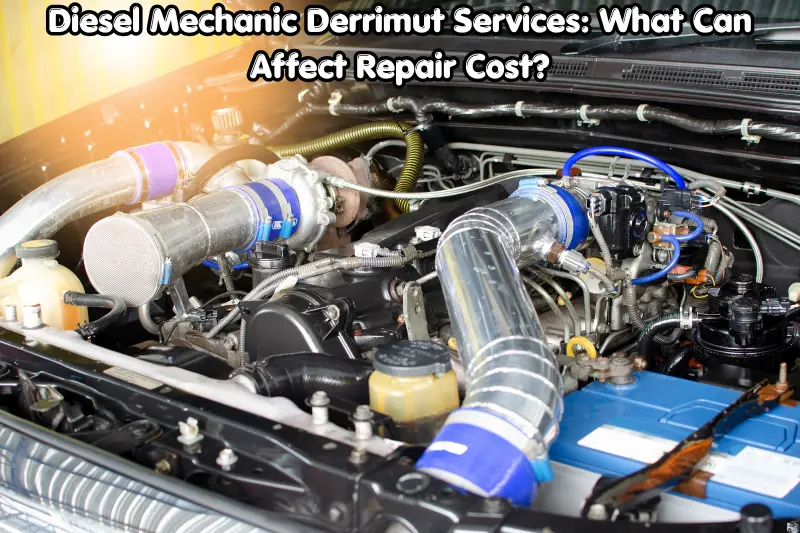
Diesel repair prices vary significantly because every vehicle and fault is different. The total cost can depend on the vehicle model, problem severity, parts required, labour time, diagnostic requirements, and whether the repair is performed during normal workshop hours or as an emergency service.
For example, replacing a filter during scheduled maintenance is generally a very different job from diagnosing an intermittent electrical fault or rebuilding a major engine component.
Instead of asking only for the cheapest price, request a breakdown of the recommended work. This makes it easier to understand what you are paying for and whether the repair is necessary now or can be scheduled later.
Preventive Maintenance Checklist
A simple maintenance checklist can help owners and fleet managers organize vehicle care.
| Maintenance Area | What to Monitor |
|---|---|
| Engine | Oil level, leaks, noises, performance |
| Cooling | Coolant level, temperature, hoses |
| Fuel System | Starting, filters, fuel performance |
| Brakes | Warning signs, noise, stopping performance |
| Tyres | Pressure, tread, visible damage |
| Suspension | Uneven movement, vibration, unusual noise |
| Electrical | Battery, lights, warning indicators |
| Exhaust | Smoke, unusual noise, emissions-related warnings |
| Always follow the manufacturer’s service instructions for the correct maintenance intervals and specifications. |
Safety and Heavy Vehicle Compliance
Heavy vehicle maintenance should be treated as both a reliability issue and a safety responsibility. Vehicle operators should understand the maintenance and inspection requirements that apply to their vehicles and operations.
For complete commercial vehicle support, explore our related truck mechanic Derrimut services, truck repairs Derrimut, and mobile truck mechanic solutions. These services can help truck owners and fleet operators manage inspections, repairs, diagnostics, and routine maintenance.
For official information about heavy vehicle safety, compliance, inspections, and operator responsibilities in Australia, visit the National Heavy Vehicle Regulator (NHVR). The NHVR provides authoritative guidance for heavy vehicle operators and businesses.
How to Prepare Your Truck Before a Mechanic Visit
Providing useful information before inspection can help the technician diagnose the problem more efficiently. Write down when the issue started, whether it occurs when the engine is cold or warm, and whether it happens under load or during normal driving.
If a dashboard warning appears, take note of the warning symbol. If the vehicle produces unusual smoke or noise, describe its colour, location, and circumstances as accurately as possible.
Also provide the vehicle’s make, model, engine type, approximate mileage, recent repair history, and any parts that were recently replaced. Accurate information can save diagnostic time and help the mechanic understand the vehicle’s history.
Benefits of Working With a Reliable Diesel Mechanic
A dependable diesel mechanic can become an important part of a vehicle owner’s maintenance strategy. Consistent service history helps technicians understand recurring problems and allows owners to plan future repairs.
The main benefits include:
- More organized maintenance
- Faster identification of recurring problems
- Better understanding of vehicle condition
- Reduced unexpected downtime
- Improved maintenance planning
- Professional diagnostic support
- Greater confidence in roadworthiness
For fleet operators, building a relationship with a trusted service provider can also make it easier to coordinate multiple vehicles and maintain consistent service records.
Frequently Asked Questions
What does a diesel mechanic Derrimut service include?
A diesel mechanic Derrimut service can include engine diagnostics, oil and filter servicing, fuel-system checks, electrical diagnosis, cooling-system repairs, brake inspections, suspension work, transmission servicing, and other mechanical repairs. The exact service depends on the vehicle, symptoms, manufacturer requirements, and workshop capabilities.
How often should a diesel truck be serviced?
The correct service interval depends on the vehicle manufacturer’s recommendations, mileage, engine hours, operating conditions, load, and vehicle use. Commercial vehicles operating under demanding conditions may require careful maintenance planning. Always check the manufacturer’s service schedule and discuss the operating conditions with a qualified mechanic.
Can a diesel mechanic diagnose warning lights?
Yes. A qualified technician can use suitable diagnostic equipment to read relevant fault information and then perform additional testing to identify the underlying problem. A diagnostic code does not automatically mean that a specific component needs replacement, so proper testing is important before authorizing repairs.
Is a mobile diesel mechanic better than a workshop?
Neither option is universally better. Mobile servicing can be convenient for roadside faults, inspections, and certain repairs, while a workshop may be more appropriate for major mechanical work requiring specialized equipment. The right choice depends on the vehicle’s condition, repair requirements, safety, and the mechanic’s available facilities.
What are the signs that a diesel engine needs attention?
Common signs include difficult starting, unusual noises, excessive smoke, overheating, reduced power, poor acceleration, unusual fuel consumption, warning lights, fluid leaks, and rough running. If a vehicle develops severe symptoms or a safety-related fault, stop using it when safe to do so and arrange professional inspection.
Final Conclusion
Choosing a reliable diesel mechanic Derrimut service can help truck and commercial vehicle owners manage maintenance, diagnose faults, and address mechanical problems before they cause unnecessary disruption. Regular servicing is especially important for vehicles that operate under heavy loads, travel frequently, or form an essential part of a business.
The most effective approach is simple: follow the manufacturer’s maintenance schedule, pay attention to warning signs, keep accurate service records, and use qualified professionals for diagnosis and repairs. For fleet operators, planned maintenance can also make vehicle servicing easier to organize and help reduce avoidable downtime.
If your diesel vehicle is showing unusual symptoms, do not rely on guesswork or continue driving with a serious fault. Arrange a professional inspection and ask the mechanic to explain the problem, recommended repair, urgency, and expected costs before work begins.
