

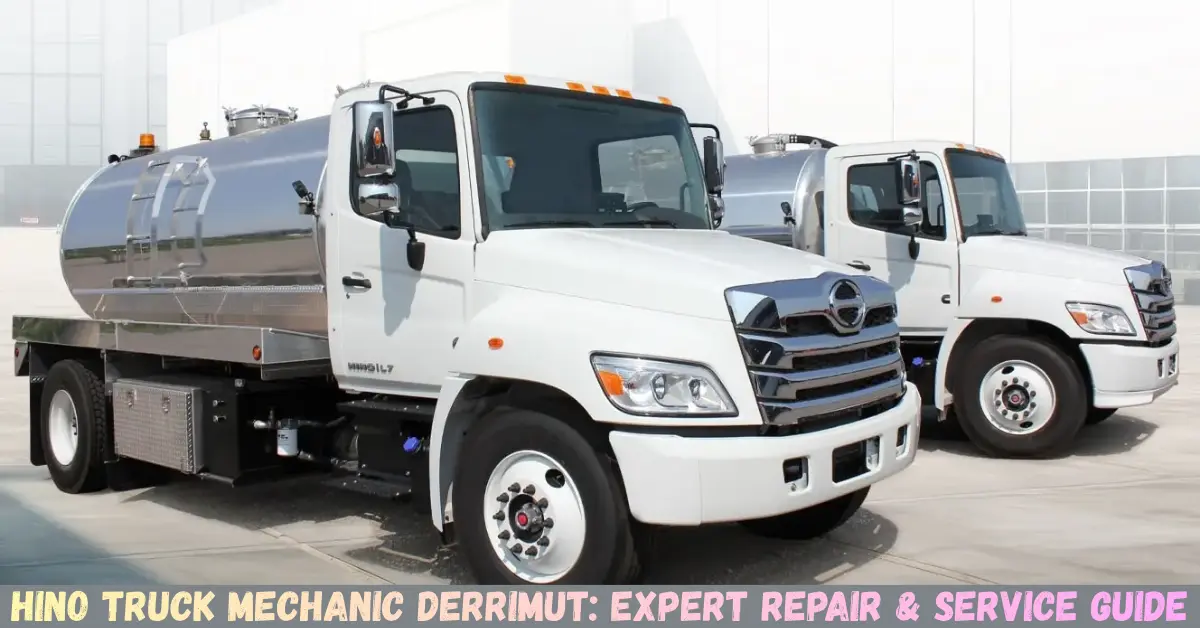
Hino Truck Mechanic Derrimut: What You Need to Know
Hino truck mechanic Derrimut services are important for businesses and drivers who depend on reliable commercial vehicles for deliveries, transport, construction, logistics, and other demanding work. A properly maintained Hino truck can help reduce unexpected breakdowns, protect major components, and keep a vehicle operating safely.
This guide explains what a Hino truck mechanic does, when your truck needs professional attention, what services may be required, how the repair process works, and how to choose a suitable workshop. It also covers practical maintenance tips and common mistakes that can increase repair costs.
Whether you operate a single Hino truck or manage a larger commercial fleet, understanding preventative maintenance and timely repairs can make vehicle ownership easier and more predictable.
What Does a Hino Truck Mechanic Do?
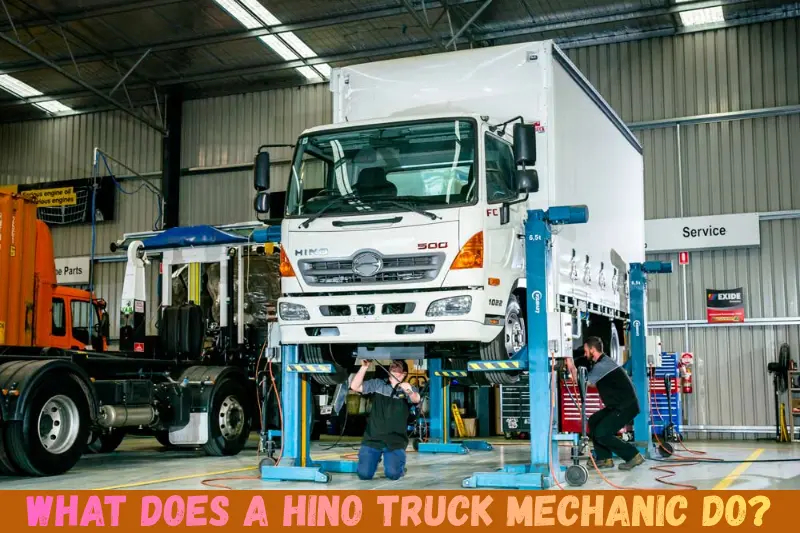
A Hino truck mechanic is a qualified heavy-vehicle technician who diagnoses, services, maintains, and repairs commercial trucks. Their work can include engine servicing, brake inspections, electrical diagnostics, cooling-system repairs, transmission work, suspension repairs, and other truck-related mechanical services.
Hino trucks are designed for commercial use, so their maintenance requirements can differ from those of ordinary passenger vehicles. Trucks regularly carry heavier loads and may spend long periods on the road, placing additional demands on engines, brakes, tyres, suspension systems, and drivetrain components.
A professional mechanic may inspect:
- Engine and fuel systems
- Transmission and drivetrain
- Braking components
- Steering and suspension
- Cooling system
- Battery and charging system
- Electrical components
- Tyres and wheels
- Exhaust and emissions-related components
- Lights and other safety systems
The exact inspection and repair requirements depend on the truck model, age, operating conditions, mileage, and service history.
Why Choose a Local Hino Truck Mechanic in Derrimut?
A local workshop can be practical for truck owners and operators working around Derrimut and Melbourne’s western industrial areas. Keeping servicing close to your regular operating area can reduce unnecessary travel and make routine maintenance easier to schedule.
For commercial vehicles, downtime can affect delivery schedules and business operations. Regular servicing allows potential problems to be identified before they become larger mechanical failures.
A local Hino truck mechanic may help with:
Faster Access to Routine Servicing
Routine inspections, oil and filter changes, brake checks, and other maintenance tasks can often be scheduled around a truck’s working requirements.
Easier Maintenance Planning
A mechanic familiar with your vehicle’s service history can identify recurring issues and recommend maintenance based on the truck’s condition and usage.
Practical Fault Diagnosis
When a warning light, unusual noise, vibration, or performance problem appears, professional diagnostic equipment and mechanical experience can help identify the underlying cause.
Common Hino Truck Services
A Hino truck may require different services throughout its operating life. The correct service schedule should always be based on the manufacturer’s recommendations, vehicle specifications, and actual operating conditions.
Engine Servicing
Engine maintenance commonly includes inspection and replacement of service items such as engine oil and filters according to the appropriate service schedule.
A mechanic can also inspect for leaks, abnormal noises, cooling problems, and other signs of engine trouble.
Ignoring engine problems can allow a relatively manageable issue to develop into a more expensive repair.
Brake Inspection and Repair
Brakes are among the most important safety components on any commercial vehicle.
A truck mechanic may inspect brake components for wear, damage, leaks, or other problems. Depending on the vehicle’s braking system, inspection can involve different components and systems.
Drivers should take symptoms such as reduced braking performance, unusual noises, pulling while braking, or warning indicators seriously.
Transmission and Drivetrain Repairs
The transmission transfers engine power to the drivetrain and plays an important role in vehicle operation.
Problems may appear as:
- Difficulty changing gears
- Unusual noises
- Delayed engagement
- Fluid leaks
- Excessive vibration
- Changes in normal driving behaviour
Early diagnosis can help determine whether the problem requires adjustment, component replacement, or more extensive repair.
Electrical Diagnostics
Modern commercial trucks rely on electrical and electronic systems for many vehicle functions.
A mechanic may use diagnostic equipment to identify fault codes and investigate issues involving sensors, wiring, batteries, charging systems, starting systems, or electronic control components.
However, a fault code does not automatically mean that the indicated component itself has failed. Proper diagnosis is important before replacing expensive parts.
Cooling System Service
The cooling system helps control engine temperature. Problems involving coolant levels, hoses, radiators, thermostats, fans, or other components can affect engine performance and reliability.
Signs of a possible cooling-system problem include overheating, coolant loss, visible leaks, or abnormal temperature readings.
Suspension and Steering
Commercial trucks experience significant loads and road forces. Steering and suspension components therefore require regular inspection.
Potential warning signs include:
- Uneven tyre wear
- Excessive bouncing
- Steering vibration
- Vehicle pulling to one side
- Unusual knocking sounds
- Changes in handling
These symptoms should be professionally inspected rather than ignored.
When Should You Take Your Hino Truck to a Mechanic?
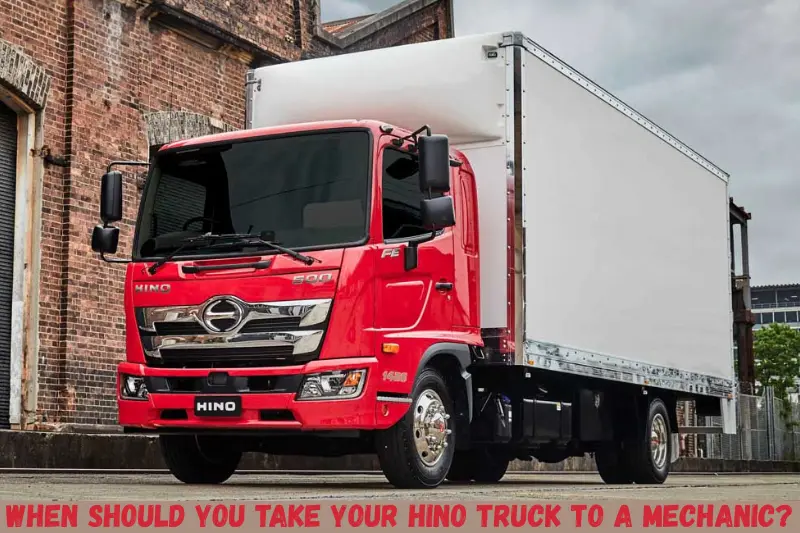
You should arrange professional inspection when your truck shows a warning light, unusual noise, fluid leak, braking problem, overheating, starting difficulty, or noticeable change in performance.
Some mechanical problems develop gradually, while others can appear suddenly. Regular servicing is therefore important even when the truck appears to be operating normally.
Warning Signs You Should Not Ignore
Pay attention to:
- Engine warning lights
- Difficulty starting
- Unusual engine or transmission noises
- Excessive smoke
- Overheating
- Brake performance changes
- Steering problems
- Abnormal vibrations
- Fluid leaks
- Sudden changes in fuel consumption or engine performance
If a problem affects braking, steering, overheating, or another critical safety system, continuing to operate the vehicle may increase the risk of damage or an unsafe situation. Have the truck assessed by a qualified professional.
How Hino Truck Repair and Servicing Works
A professional repair process normally starts with identifying the customer’s complaint and reviewing the truck’s condition and service history.
Step 1: Initial Inspection
The mechanic discusses the symptoms and checks the vehicle for visible signs of damage, leaks, wear, or other abnormalities.
Step 2: Diagnostic Testing
Where appropriate, diagnostic equipment can be used to retrieve fault information from the truck’s electronic systems.
Diagnostics should be combined with physical inspection rather than relying only on computer fault codes.
Step 3: Identify the Cause
The mechanic determines the likely cause of the problem and assesses which components require attention.
Step 4: Repair or Replace Components
The required work is completed using appropriate replacement parts, tools, and repair procedures.
Step 5: Final Inspection
After repairs, the vehicle should be checked to confirm that the original issue has been addressed and that relevant systems are functioning correctly.
Step 6: Maintenance Recommendations
A mechanic may recommend additional maintenance based on the vehicle’s condition, service history, mileage, operating environment, and manufacturer’s requirements.
Benefits of Regular Hino Truck Maintenance
Regular maintenance is primarily about preventing avoidable problems and keeping important vehicle systems in good working condition.
Key benefits include:
- Better reliability
- Early identification of mechanical problems
- Improved vehicle safety
- More predictable maintenance costs
- Reduced risk of unexpected downtime
- Better record keeping
- Longer service life for properly maintained components
- Greater confidence when operating a commercial vehicle
Maintenance cannot guarantee that a truck will never break down. Components can fail unexpectedly, especially on vehicles that operate under demanding conditions. However, a sensible maintenance programme can reduce avoidable problems.
Hino Truck Mechanic Derrimut: How to Choose the Right Workshop
Choosing a mechanic should involve more than simply comparing the cheapest quoted price.
Look for a workshop that understands heavy commercial vehicles and can clearly explain the work your Hino truck requires.
Consider these factors:
Heavy-Vehicle Experience
Ask whether the workshop regularly works on Hino trucks and similar commercial vehicles.
Diagnostic Capability
Modern trucks can contain complex electronic systems. Appropriate diagnostic equipment can help technicians investigate faults more efficiently.
Clear Estimates
Before approving significant repairs, ask for an explanation of the required work and expected costs.
Quality Replacement Parts
Ask what type of replacement components will be used and whether they are suitable for your specific truck.
Service Documentation
Good maintenance records can help you track previous repairs and plan future servicing.
Communication
A reliable workshop should be able to explain the problem in straightforward language and distinguish urgent repairs from recommended maintenance.
Common Mistakes Hino Truck Owners Should Avoid
Some maintenance mistakes can create unnecessary costs or increase the chance of downtime.
Ignoring Warning Lights
A warning light should not automatically be treated as a minor issue. The correct response depends on the warning and the vehicle’s operating condition.
Delaying Scheduled Maintenance
Skipping or repeatedly postponing recommended servicing can allow wear and developing faults to go unnoticed.
Choosing a Mechanic Only on Price
The cheapest initial quote may not represent the lowest overall cost if diagnosis is incomplete or unsuitable parts and repairs lead to additional problems.
Using the Wrong Fluids or Parts
Commercial vehicles have specific technical requirements. Always confirm that fluids, filters, lubricants, and replacement parts are appropriate for the particular Hino model.
Overlooking Small Problems
A small oil leak, unusual vibration, or change in engine behaviour may be an early indication of a developing problem. Early inspection can make diagnosis easier.
Preventative Maintenance Tips for Hino Trucks
A practical maintenance routine starts with following the manufacturer’s service requirements and keeping accurate records.
Truck operators should also:
- Check fluid levels as recommended
- Inspect tyres regularly
- Pay attention to unusual sounds and vibrations
- Monitor warning lights
- Keep service records
- Report new problems promptly
- Avoid overloading the vehicle
- Follow appropriate operating procedures
- Schedule servicing before major maintenance deadlines are missed
Daily or pre-trip checks are also valuable for identifying obvious issues before a truck goes onto the road.
Hino Truck Maintenance for Indian Businesses and Operators
For readers in India researching Hino truck servicing, it is important to distinguish between general Hino maintenance information and services available specifically in Derrimut, Australia.
Derrimut is located in Melbourne’s western suburbs, so a Derrimut-based workshop is relevant to vehicles operating in that Australian area. If your truck is physically located in India, you should instead look for an appropriately qualified Hino or heavy-commercial-vehicle service provider near the truck’s operating location.
Regardless of location, the basic principles remain similar: follow the manufacturer’s maintenance requirements, use suitable parts and fluids, investigate warning signs promptly, and keep detailed service records.
Internal link
when should you take your hino truck to a mechanicTruck Maintenance GuideExample WebsiteHino TrucksExample WebsiteExample WebsiteExample WebsiteExample WebsiteExample WebsiteFor more information, check our Hino Truck Servicing Derrimut guide.
You can also learn more about Hino trucks from Hino Australia.
Frequently Asked Questions
How often should a Hino truck be serviced?
Hino truck servicing should follow the service schedule specified for the particular model and operating conditions. The appropriate interval can vary according to the vehicle, engine, mileage, usage, and operating environment. Check the owner’s documentation or consult an appropriately qualified Hino service professional for model-specific maintenance requirements.
What does a Hino truck mechanic in Derrimut repair?
A Hino truck mechanic may provide services including engine maintenance, brake inspection and repair, transmission and drivetrain work, electrical diagnostics, cooling-system repairs, suspension and steering inspections, and other heavy-vehicle repairs. The available services depend on the workshop’s equipment, qualifications, and capabilities.
How do I know if my Hino truck needs a mechanic?
Warning lights, overheating, unusual noises, fluid leaks, starting problems, braking changes, steering issues, vibration, or noticeable changes in performance can indicate that professional inspection is required. If the problem involves a critical safety system, have the vehicle assessed promptly rather than continuing to operate it unnecessarily.
Can regular servicing prevent Hino truck breakdowns?
Regular servicing cannot eliminate every possibility of a breakdown because mechanical and electrical components can fail unexpectedly. However, preventative maintenance can identify wear, leaks, fluid problems, and developing faults before they potentially become more serious. Following the manufacturer’s maintenance requirements is an important part of responsible truck ownership.
What should I ask a Hino truck mechanic before approving repairs?
Ask the mechanic to explain the diagnosed problem, recommended repair, urgency, estimated cost, replacement parts, and any additional work they believe is necessary. For major repairs, requesting a written estimate and understanding the warranty or guarantee terms can also help you make a better-informed decision.
Expert Tips for Better Hino Truck Maintenance
The best maintenance strategy is proactive rather than reactive. Do not wait for a truck to develop a major problem before paying attention to its condition.
A few practical habits can make maintenance easier:
- Keep a complete service history for every truck.
- Record recurring faults and repairs.
- Schedule inspections around the vehicle’s workload.
- Investigate unusual symptoms early.
- Use parts and fluids that meet the vehicle’s requirements.
- Ask questions when a repair recommendation is unclear.
- Separate safety-critical repairs from optional maintenance recommendations.
- Review the truck’s condition before long-distance or demanding work.
For fleet operators, consistent maintenance records can also make it easier to identify recurring issues across vehicles and plan workshop visits.
Conclusion
Finding the right Hino truck mechanic Derrimut can help truck owners and operators approach servicing and repairs more systematically. Professional maintenance can cover important areas such as the engine, brakes, transmission, electrical systems, cooling system, suspension, and steering.
The most effective approach is not simply waiting until a truck breaks down. Follow the manufacturer’s recommended maintenance schedule, monitor warning signs, keep accurate service records, and arrange professional diagnosis when something changes.
If your Hino truck operates around Derrimut, start by choosing a heavy-vehicle workshop with relevant Hino experience, suitable diagnostic capability, transparent communication, and a clear approach to repairs. If the truck is located elsewhere, use the same criteria when selecting a qualified local service provider.
