

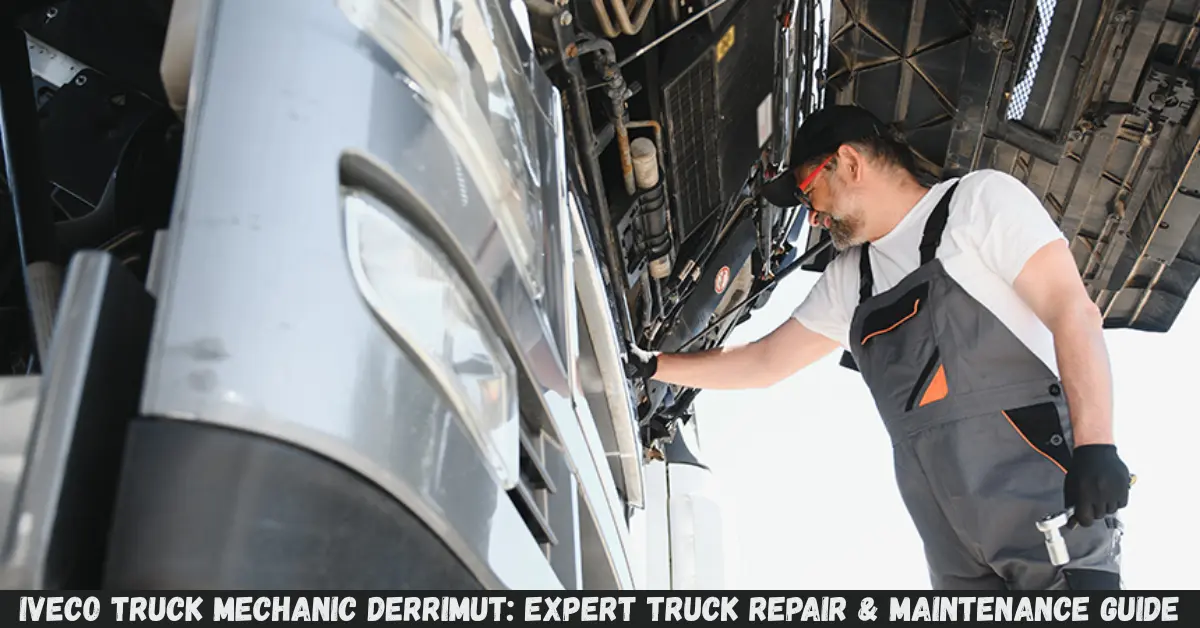
Iveco Truck Mechanic Derrimut: What You Need to Know
Iveco truck mechanic Derrimut services are designed to help truck owners and fleet operators keep their Iveco vehicles safe, reliable, and ready for work. A qualified mechanic can inspect the engine, transmission, brakes, electrical systems, cooling system, suspension, and other critical components to identify problems before they become expensive breakdowns.
For commercial truck operators, regular maintenance is more than a routine expense. It can help reduce unexpected downtime, protect vehicle performance, and support safer operation. This guide explains what an Iveco truck mechanic does, when your truck needs professional attention, what services are commonly available, and how to choose the right mechanic for your vehicle.
Whether you operate one Iveco truck or manage several commercial vehicles, understanding the basics of servicing and repairs can help you make better maintenance decisions.
What Does an Iveco Truck Mechanic Do?
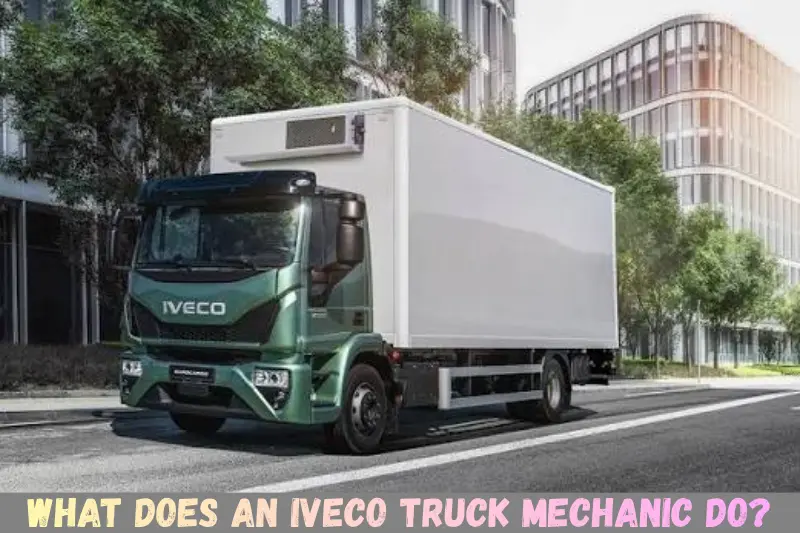
An Iveco truck mechanic specializes in inspecting, maintaining, diagnosing, and repairing Iveco commercial vehicles. The work can range from routine servicing to complex engine, transmission, electrical, and braking repairs.
A professional mechanic may use diagnostic equipment, visual inspections, mechanical testing, and manufacturer-recommended procedures to determine the cause of a problem.
Common responsibilities include:
- Engine inspection and repair
- Diesel engine diagnostics
- Transmission servicing and repairs
- Brake system inspection
- Electrical fault diagnosis
- Battery and charging-system checks
- Cooling-system repairs
- Suspension and steering inspection
- Exhaust and emissions-system checks
- Preventive truck maintenance
- Fault-code diagnosis
- Pre-trip and safety inspections
The exact service required depends on the truck model, age, mileage, operating conditions, and maintenance history.
Why Is Regular Iveco Truck Maintenance Important?
Regular maintenance helps identify developing mechanical problems before they turn into major failures. For a working truck, this can be especially important because unexpected downtime may affect deliveries, schedules, and operating costs.
A maintenance program should generally include inspections of key systems such as the engine, brakes, tyres, fluids, steering, suspension, lights, and electrical components.
Reduce Unexpected Breakdowns
A truck that is regularly inspected has a better chance of having worn or damaged components identified early. For example, detecting a cooling-system leak during a scheduled inspection may prevent a more serious overheating problem later.
Support Fuel Efficiency
Engine condition, tyre pressure, air filters, fuel systems, and other mechanical factors can influence how efficiently a truck operates. Correct maintenance does not guarantee a specific fuel saving, but it helps keep the vehicle operating as intended.
Improve Vehicle Safety
Brakes, steering, tyres, suspension, lighting, and other safety-related components require proper inspection. If a truck develops unusual braking behaviour, steering problems, or tyre damage, professional inspection should not be delayed.
Protect Your Work Schedule
Commercial vehicles generate value when they are available for work. Preventive servicing can help reduce avoidable downtime and make maintenance easier to plan.
Common Services Offered by an Iveco Truck Mechanic Derrimut
An Iveco truck mechanic Derrimut can provide different services depending on the vehicle and the nature of the problem. Some repairs are relatively straightforward, while others require advanced diagnostic equipment and specialist knowledge.
Iveco Engine Diagnostics and Repairs
The engine is one of the most important components of a heavy commercial vehicle. Mechanics can investigate problems such as rough running, reduced performance, excessive smoke, unusual noises, overheating, or starting difficulties.
Engine diagnostics may involve checking fault codes, sensors, fuel-related components, air intake systems, cooling components, and other systems.
A proper diagnosis is important because the same symptom can have several possible causes.
Transmission Inspection and Repair
Transmission problems can affect acceleration, gear changes, drivability, and overall vehicle performance.
Possible warning signs include:
- Difficulty selecting gears
- Delayed gear engagement
- Unusual transmission noises
- Jerking during gear changes
- Transmission warning lights
- Fluid leaks
A mechanic should diagnose the underlying problem rather than simply replacing a component based on a symptom.
Brake System Servicing
Commercial trucks depend heavily on properly functioning braking systems. Brake servicing may include inspection of brake components, air systems where applicable, lines, discs or drums, pads or shoes, and related components.
If you notice reduced braking performance, unusual noises, warning lights, or changes in pedal behaviour, arrange a professional inspection as soon as possible.
Electrical Diagnostics
Modern Iveco trucks use electronic systems for many vehicle functions. Electrical faults can therefore be difficult to identify without appropriate diagnostic equipment.
A mechanic may investigate:
- Starting problems
- Battery issues
- Alternator faults
- Warning lights
- Lighting problems
- Sensor faults
- Wiring issues
- Electronic control system errors
Correct diagnosis can prevent unnecessary replacement of expensive electrical components.
Cooling System Maintenance
The cooling system helps control engine temperature. Problems involving coolant, hoses, radiators, thermostats, water pumps, or related components can contribute to overheating.
If the temperature gauge behaves unusually or coolant is regularly disappearing, the vehicle should be inspected rather than repeatedly topped up without identifying the cause.
Suspension and Steering Repairs
Suspension and steering systems affect handling, stability, tyre wear, and driving comfort.
During an inspection, a mechanic may look for worn components, leaks, unusual tyre wear, loose connections, or other signs of damage.
Signs Your Iveco Truck Needs a Mechanic
Some truck problems are obvious, while others develop gradually. Recognizing warning signs early can help prevent a minor fault from becoming a major repair.
Look for signs such as:
- Unusual engine noise: Knocking, rattling, or other unfamiliar sounds should be investigated.
- Warning lights: Dashboard warnings can indicate problems requiring diagnostic attention.
- Loss of power: Reduced acceleration or unusual performance may indicate an engine, fuel, air, or electronic issue.
- Excessive smoke: Changes in exhaust smoke can be a sign that the engine or emissions system needs inspection.
- Fluid leaks: Oil, coolant, fuel, or other leaks should not be ignored.
- Starting problems: Repeated difficulty starting may involve the battery, electrical system, fuel system, or engine.
- Gear-changing problems: Transmission hesitation, slipping, or unusual noises deserve professional diagnosis.
- Brake problems: Changes in braking performance should be treated as a safety concern.
- Uneven tyre wear: This may indicate alignment, suspension, steering, or tyre-related issues.
- Overheating: Repeated overheating requires prompt investigation.
How to Choose an Iveco Truck Mechanic in Derrimut
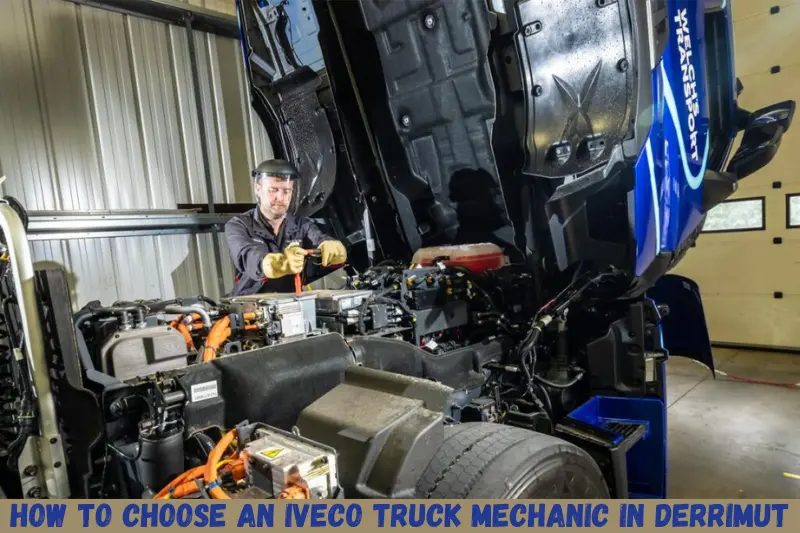
Choosing a mechanic should involve more than simply comparing the cheapest quoted price. The right workshop should have the appropriate experience, equipment, and approach for commercial vehicles.
Check Iveco and Heavy-Vehicle Experience
Ask whether the mechanic regularly works on Iveco trucks and commercial diesel vehicles. Experience with similar vehicles can help the technician understand common diagnostic and maintenance requirements.
Ask About Diagnostic Equipment
Modern trucks can require electronic diagnostics in addition to conventional mechanical inspection. A suitable workshop should have appropriate diagnostic equipment for the vehicle being serviced.
Request a Clear Diagnosis
A professional mechanic should explain what has been identified, what repair is recommended, and why the repair is necessary.
Avoid approving expensive work when the workshop cannot clearly explain the problem.
Compare Written Estimates
Before major repairs, request an itemized estimate covering labour, parts, and any additional charges where applicable.
The lowest quote is not automatically the best option. Consider the quality of parts, workmanship, warranty terms, turnaround time, and workshop experience as well.
Consider Preventive Maintenance Support
If your truck is used regularly for commercial work, ask whether the workshop can help establish a practical maintenance schedule based on the vehicle’s requirements and operating conditions.
Iveco Truck Servicing vs Emergency Repairs
Routine servicing and emergency repairs serve different purposes.
| Routine Truck Servicing | Emergency Truck Repair |
|---|---|
| Planned in advance | Usually unexpected |
| Helps identify developing faults | Addresses an existing breakdown or serious fault |
| Easier to schedule | Can cause operational delays |
| Supports preventive maintenance | Focuses on restoring vehicle operation |
| May reduce avoidable downtime | Often requires urgent diagnosis |
The best approach is not to wait for every problem to become an emergency. Scheduled inspections can help identify issues while they are still manageable.
A Practical Iveco Truck Maintenance Checklist
A maintenance checklist can help truck owners keep track of important vehicle systems.
Before Regular Operation
Check:
- Tyres and visible damage
- Fluid levels
- Lights and indicators
- Warning lights
- Braking behaviour
- Visible leaks
- Unusual sounds
- General vehicle condition
During Scheduled Servicing
Ask the mechanic to assess relevant systems according to the truck’s maintenance requirements, including:
- Engine
- Transmission
- Brakes
- Suspension
- Steering
- Cooling system
- Electrical system
- Battery and charging system
- Filters and fluids
- Tyres
- Exhaust and emissions-related components
The exact maintenance requirements should follow the vehicle’s documentation and applicable servicing recommendations.
Common Mistakes Truck Owners Should Avoid
Ignoring Warning Lights
A warning light should not automatically be treated as something that can be ignored because the truck still drives normally. Some faults may worsen if left unresolved.
Choosing Parts Based Only on Price
Cheap parts may not always provide the best long-term value. Discuss suitable replacement parts with a qualified mechanic and consider compatibility, quality, warranty, and expected service life.
Skipping Scheduled Maintenance
Delaying routine servicing can make it harder to identify developing problems. For trucks used frequently, consistent maintenance is particularly important.
Continuing to Drive With Serious Symptoms
If the truck has severe braking problems, significant overheating, major fluid leakage, serious steering issues, or another potentially dangerous fault, continuing to operate it can increase risk and damage.
Replacing Parts Without Proper Diagnosis
Replacing components based only on symptoms can waste money. A structured diagnostic process is usually a better approach.
Benefits of Using a Professional Truck Mechanic
Working with an experienced commercial-vehicle mechanic offers several practical advantages.
Better Fault Diagnosis
Professional diagnostic equipment and mechanical testing can help identify the source of a problem instead of treating only the visible symptom.
Reduced Maintenance Guesswork
A documented inspection can provide a clearer picture of which components need immediate attention and which can be monitored.
Improved Maintenance Planning
Regular servicing allows truck owners to plan maintenance around operating schedules rather than waiting for unexpected breakdowns.
Better Long-Term Vehicle Care
Consistent inspections and appropriate repairs can help maintain the condition of a commercial vehicle throughout its working life.
How to Prepare for a Truck Mechanic Appointment
You can make the diagnostic process easier by providing useful information about the problem.
Before visiting the workshop, note:
- When the problem first appeared
- Whether it happens when the engine is cold or warm
- Any dashboard warning messages
- Unusual noises or smells
- Changes in fuel consumption
- Recent repairs or maintenance
- Whether the truck has lost power
- Whether the problem occurs under load
If possible, explain the exact conditions in which the problem occurs. This information can help the mechanic narrow down potential causes.
When Should You Contact an Iveco Truck Mechanic Derrimut?
You should contact an Iveco truck mechanic Derrimut when your truck shows persistent warning signs, requires scheduled servicing, or develops a mechanical or electrical problem.
Do not wait for a complete breakdown when you notice symptoms such as overheating, unusual engine noises, brake problems, repeated starting difficulties, serious fluid leaks, or significant loss of performance.
For commercial operators, early diagnosis can be particularly useful because it allows maintenance to be planned before a minor issue potentially becomes a larger operational problem.
Internal link
Iveco truck servicing DerrimutIveco truck mechanic DerrimutIVECOExample WebsiteSponsored LinkExample LinkIf your truck requires regular maintenance, learn more about our Iveco truck servicing Derrimut services.
For manufacturer-related information, visit IVECO.
IVECOFrequently Asked Questions
What does an Iveco truck mechanic Derrimut service include?
An Iveco truck mechanic Derrimut can provide services such as engine diagnostics, diesel repairs, transmission work, brake inspections, electrical diagnostics, cooling-system maintenance, suspension repairs, and general preventive servicing. The exact work depends on the truck model, fault symptoms, maintenance history, and manufacturer’s service requirements.
How often should an Iveco truck be serviced?
The correct service interval depends on the specific Iveco model, engine, usage, operating conditions, mileage, and manufacturer recommendations. Trucks that operate frequently or under demanding conditions may require closer maintenance attention. Always check the vehicle’s service documentation and discuss the appropriate schedule with a qualified mechanic.
What are the most common signs of an Iveco truck problem?
Common warning signs include dashboard warning lights, loss of engine power, unusual noises, overheating, fluid leaks, starting difficulties, abnormal smoke, transmission problems, unusual braking behaviour, and uneven tyre wear. Any significant or persistent change in vehicle performance should be professionally assessed.
Can a mechanic diagnose Iveco electrical problems?
Yes. Modern Iveco trucks contain electronic control systems, sensors, and other electrical components that may require specialist diagnostic equipment. A qualified technician can use diagnostic tools alongside physical inspection and testing to identify potential electrical or electronic faults.
Is preventive maintenance worth it for a commercial truck?
Preventive maintenance can be valuable because it helps identify developing problems before they cause unexpected downtime. Regular inspections also make maintenance easier to plan. However, the appropriate maintenance schedule depends on the truck, its workload, operating environment, and manufacturer’s recommendations.
Expert Tips for Better Iveco Truck Maintenance
For better long-term truck care, keep a written record of servicing, repairs, replaced components, and recurring problems. Maintenance records can help a mechanic understand the vehicle’s history and identify patterns.
Use the correct fluids, filters, and replacement components recommended for your particular vehicle. Avoid treating every dashboard warning as a separate problem without proper diagnosis.
It is also useful to address small symptoms early. A minor leak, unusual noise, or intermittent warning may be easier and less disruptive to investigate before the truck develops a more serious fault.
Most importantly, follow the vehicle manufacturer’s maintenance requirements and applicable commercial-vehicle safety obligations.
Conclusion
An Iveco truck mechanic Derrimut can help truck owners and operators with routine servicing, diagnostics, preventive maintenance, and repairs across important vehicle systems. From engine and transmission problems to brakes, electrical faults, cooling systems, suspension, and general inspections, professional maintenance plays an important role in keeping commercial vehicles dependable.
The best maintenance strategy is proactive rather than reactive. Pay attention to warning lights, unusual sounds, fluid leaks, performance changes, and other symptoms. Keep accurate service records, use suitable replacement parts, and follow the recommended maintenance requirements for your specific Iveco truck.
If your Iveco truck is due for servicing or showing signs of a mechanical problem, the practical next step is to arrange an inspection with a qualified commercial-vehicle mechanic and obtain a clear diagnosis before approving major repairs.
