

Introduction
Mack truck mechanic Derrimut services are designed to help heavy-duty truck owners, operators, and fleet managers keep Mack trucks safe, reliable, and ready for work. A properly maintained Mack truck can perform more consistently, while early diagnosis of mechanical problems can help prevent minor faults from becoming expensive repairs.
This guide explains what a Mack truck mechanic does, which Mack truck problems commonly require professional attention, how diagnostics and servicing work, and what to consider when choosing a heavy-duty truck repair service in Derrimut.
Whether you operate a single Mack truck or manage several commercial vehicles, understanding routine maintenance, warning signs, repair procedures, and mechanic selection can help you make better maintenance decisions.
What Does a Mack Truck Mechanic Do?
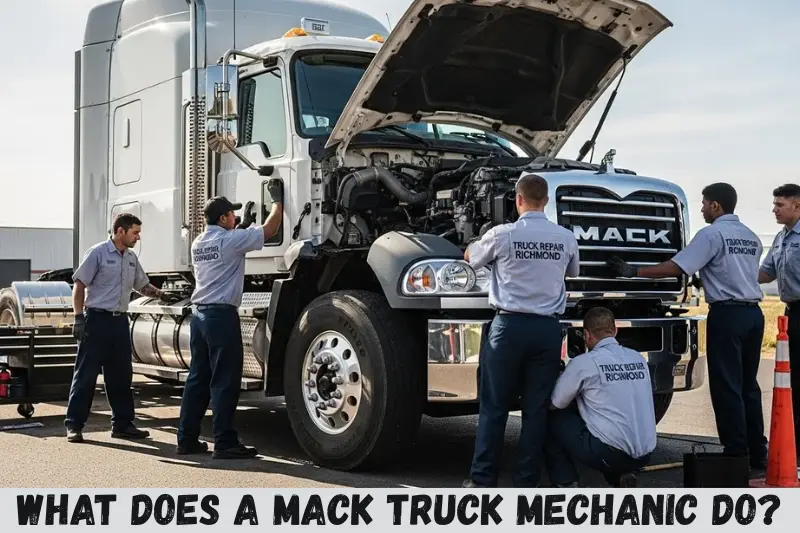
A Mack truck mechanic is a heavy-duty vehicle technician who inspects, diagnoses, services, and repairs commercial trucks such as Mack models.
Unlike a standard car mechanic, a heavy-duty truck mechanic works with larger engines, drivetrains, braking systems, suspension components, electrical systems, cooling systems, and other commercial-vehicle equipment.
A Mack truck mechanic may handle:
- Engine inspections and repairs
- Oil and filter servicing
- Brake system repairs
- Transmission and clutch work
- Cooling system diagnosis
- Electrical troubleshooting
- Suspension repairs
- Steering system inspections
- Exhaust and emissions-related diagnosis
- Preventive maintenance
- Computer diagnostics
- Pre-trip and safety inspections
Professional servicing is particularly important for trucks that operate frequently, carry heavy loads, or travel long distances.
Why Choose a Mack Truck Mechanic in Derrimut?
Choosing a mechanic familiar with heavy-duty Mack trucks can make the repair process more efficient. Mack trucks are designed for demanding commercial applications, so servicing requires suitable equipment, technical knowledge, and an understanding of heavy-duty vehicle systems.
For truck operators around Derrimut and the surrounding industrial areas, access to a capable truck mechanic can be valuable when a vehicle needs scheduled servicing or urgent repairs.
Local Knowledge Can Make Repairs More Convenient
A local truck repair provider can reduce the time and logistical difficulty involved in getting a commercial vehicle inspected.
This can be especially useful when:
- A truck develops a mechanical problem during operations
- A vehicle needs scheduled maintenance
- A fleet requires regular inspections
- A truck needs diagnostic testing
- A component needs to be repaired or replaced
- Downtime needs to be managed efficiently
The right service provider should still be selected based on qualifications, experience, equipment, communication, and the type of repair required rather than location alone.
Common Mack Truck Problems That Need Professional Attention
Mack trucks are built for heavy-duty applications, but every commercial vehicle requires maintenance. Problems can develop through normal wear, operating conditions, insufficient servicing, component failure, or electrical faults.
Engine Problems
Engine-related issues can affect performance, fuel efficiency, starting, and reliability.
Warning signs may include:
- Difficulty starting
- Unusual engine noise
- Loss of power
- Excessive smoke
- Unusual exhaust behaviour
- Engine warning lights
- Rough or inconsistent operation
- Increased fluid consumption
A mechanic should diagnose the underlying cause instead of replacing parts based only on symptoms.
Brake System Issues
The braking system is one of the most important safety systems on a heavy-duty truck.
Brake problems can involve components such as air systems, brake chambers, lines, valves, drums, discs, pads, or other related parts depending on the truck configuration.
Warning signs can include unusual braking behaviour, air-pressure issues, pulling during braking, abnormal noises, or changes in braking performance.
Any significant braking problem should be inspected promptly.
Transmission and Clutch Problems
Transmission and clutch components experience considerable stress in commercial applications.
Potential warning signs include:
- Difficulty changing gears
- Gear slipping
- Unusual vibration
- Grinding noises
- Delayed engagement
- Clutch slipping
- Difficulty selecting gears
Continuing to operate a truck with serious drivetrain symptoms can potentially worsen the underlying problem.
Cooling System Problems
Heavy-duty engines generate substantial heat and depend on an effective cooling system.
Common concerns include coolant leaks, damaged hoses, radiator problems, thermostat faults, water-pump issues, or cooling-system contamination.
If the temperature gauge indicates overheating, the truck should be handled carefully and inspected rather than continuously operated under heavy load.
Electrical and Diagnostic Faults
Modern heavy-duty trucks contain numerous electronic control systems and sensors.
Electrical faults can produce warning lights, starting problems, communication errors, sensor issues, or intermittent vehicle behaviour.
Professional diagnostic equipment can help identify fault codes and determine whether the problem is caused by a sensor, wiring, module, connector, or another component.
Mack Truck Preventive Maintenance
Preventive maintenance is one of the most effective ways to reduce unexpected truck problems.
Instead of waiting until a truck breaks down, operators should follow the manufacturer’s recommended maintenance schedule and inspect components according to operating conditions.
Important Maintenance Areas
A typical heavy-duty maintenance program may include:
- Engine oil and filter checks
Use the correct specification and service interval for the specific truck and engine. - Brake inspection
Check braking components and related air-system components for signs of wear or faults. - Tyre inspection
Monitor tyre condition, pressure, tread, and abnormal wear. - Fluid checks
Inspect engine coolant, transmission fluid, and other applicable fluids. - Battery and electrical checks
Inspect battery condition, connections, wiring, and charging performance. - Suspension inspection
Look for damaged, worn, or loose components. - Steering inspection
Check steering components for excessive play, damage, or abnormal behaviour. - Diagnostic scanning
Where appropriate, electronic systems can be checked for stored faults.
The exact maintenance requirements depend on the Mack model, engine, configuration, mileage, operating environment, and manufacturer recommendations.
How Mack Truck Diagnostics Work
Modern truck diagnostics can help a mechanic identify faults more efficiently.
A diagnostic process generally begins with the driver’s description of the problem and a visual inspection. The mechanic may then use appropriate diagnostic equipment to check electronic control systems and retrieve fault information.
Step-by-Step Diagnostic Process
Step 1: Understand the symptoms
The mechanic asks when the problem occurs, what warning lights appear, and whether performance has changed.
Step 2: Perform a visual inspection
The technician checks for leaks, damaged components, loose connections, unusual wear, and other visible issues.
Step 3: Run diagnostic tests
Suitable diagnostic equipment may be connected to the vehicle to identify stored fault information.
Step 4: Test the suspected system
Additional testing helps determine whether the fault is actually caused by the component indicated by a fault code.
Step 5: Explain the repair
The mechanic should explain the problem, recommended repair, parts involved, and expected work before major repairs proceed.
Step 6: Verify the repair
After the repair, the affected system should be tested to confirm that the original problem has been addressed.
A diagnostic code is not always the same thing as a failed component. Proper testing is important before replacing expensive parts.
Benefits of Professional Mack Truck Servicing
Regular professional servicing can provide several practical benefits for commercial truck operators.
Better Reliability
Routine inspections can identify worn or damaged components before they develop into larger mechanical problems.
Reduced Unexpected Downtime
Preventive maintenance cannot eliminate every breakdown, but it can help identify maintenance issues before they become major failures.
Improved Safety
Brake, steering, suspension, tyre, lighting, and other safety-related systems require regular attention.
Better Maintenance Planning
A service history can help fleet operators plan repairs, replacement parts, and maintenance schedules more effectively.
Longer Component Life
Correct servicing and timely repairs can help protect components from unnecessary wear.
What to Consider When Choosing a Mack Truck Mechanic Derrimut
Selecting the right mechanic is important because heavy-duty truck repairs can involve significant downtime and costs.
Before booking a repair, consider the following factors.
Heavy-Duty Experience
Look for a provider experienced with commercial trucks and Mack vehicles rather than relying only on general automotive experience.
Diagnostic Capability
Modern trucks require appropriate diagnostic tools and technical knowledge. Ask whether the mechanic can diagnose the relevant electronic and mechanical systems.
Transparent Communication
A professional mechanic should explain the problem clearly and provide a reasonable estimate or scope of work before major repairs begin.
Quality Replacement Parts
Ask what type of replacement parts will be used and whether they are appropriate for your particular Mack truck.
Preventive Maintenance Support
A good truck mechanic should be able to help with ongoing maintenance rather than only emergency repairs.
Service Documentation
Maintenance records are useful for tracking previous repairs, identifying recurring problems, and planning future servicing.
When Should You Call a Truck Mechanic?
Some symptoms should not be ignored, especially when they affect safety or vehicle performance.
Contact a qualified heavy-duty mechanic when you notice:
- Persistent warning lights
- Serious loss of engine power
- Brake performance changes
- Significant oil or coolant leaks
- Overheating
- Unusual engine or transmission noises
- Starting problems
- Steering difficulties
- Excessive vibration
- Repeated electrical faults
- Abnormal tyre wear
If the truck has a serious safety-related problem, continuing to drive it may create additional risks. The safest option may be to stop operating the vehicle and arrange an appropriate inspection or recovery service.
Common Mistakes Mack Truck Owners Should Avoid
Ignoring Warning Lights
A warning light should not automatically be dismissed because the truck still appears to be running normally. Early diagnosis may prevent a developing fault from becoming more serious.
Delaying Routine Servicing
Commercial trucks often operate under demanding conditions. Delaying scheduled maintenance can increase the possibility of component wear and unexpected repairs.
Replacing Parts Without Proper Diagnosis
Replacing components based only on a fault code or assumption can waste money. Testing should be used to identify the actual cause.
Choosing a Mechanic Only Because of a Low Price
The cheapest quote may not always represent the best value. Consider experience, diagnostic capability, parts quality, warranty terms, communication, and expected repair quality.
Failing to Keep Maintenance Records
Service records provide useful information about previous repairs and maintenance intervals. They can also help identify recurring issues.
How to Reduce Mack Truck Downtime
Truck downtime can affect schedules, deliveries, drivers, and operating costs. A structured maintenance strategy can help reduce avoidable interruptions.
Consider these practical steps:
- Follow the manufacturer’s recommended maintenance schedule.
- Perform regular visual inspections.
- Record warning lights and unusual symptoms.
- Address small problems before they become major failures.
- Keep important service records.
- Use appropriate replacement parts.
- Schedule preventive maintenance around operating requirements.
- Work with a mechanic who understands heavy-duty commercial vehicles.
For fleet operators, maintaining a consistent inspection and servicing routine can make maintenance easier to manage across multiple vehicles.
Mack Truck Repair vs Preventive Maintenance
| Preventive Maintenance | Repair Service |
|---|---|
| Planned in advance | Usually triggered by a fault |
| Helps identify wear early | Addresses an existing problem |
| Can reduce unexpected downtime | May require immediate downtime |
| Includes inspections and servicing | Focuses on diagnosis and repair |
| Easier to schedule | Can be difficult to predict |
Both are important. Preventive maintenance helps maintain vehicle condition, while professional repair is necessary when faults or component failures occur.
Tips for Mack Truck Owners and Fleet Operators
A few simple habits can improve maintenance management.
Keep a maintenance log: Record servicing, repairs, inspections, and replaced components.
Pay attention to changes: Drivers often notice unusual sounds, vibration, braking behaviour, or performance changes before a major fault develops.
Do not ignore fluid leaks: Small leaks can indicate developing mechanical problems.
Use the correct specifications: Oils, filters, fluids, and replacement components should be suitable for the specific truck and engine.
Plan servicing: Scheduling maintenance around vehicle use can help reduce disruption to operations.
Build a relationship with a reliable mechanic: A mechanic who understands your truck’s service history can often diagnose recurring issues more efficiently.
Instant Link
Mack truck repair in Derrimuttruck maintenance guideMack truck informationMack truck servicing informationMack truck informationFrequently Asked Questions
What does a Mack truck mechanic in Derrimut repair?
A Mack truck mechanic can diagnose and repair various heavy-duty systems, including engines, brakes, transmissions, clutches, suspension, steering, cooling systems, electrical systems, and other commercial vehicle components. The exact services depend on the truck model, engine, configuration, and the mechanic’s available equipment and expertise.
How often should a Mack truck be serviced?
The correct service interval depends on the specific Mack truck, engine, operating conditions, mileage, usage, and manufacturer recommendations. Trucks working under demanding conditions may require more frequent inspections or maintenance. Always follow the maintenance schedule applicable to your particular vehicle and operating requirements.
Can a Mack truck mechanic diagnose warning lights?
Yes. A qualified heavy-duty technician can use suitable diagnostic equipment to retrieve fault information from compatible electronic systems. However, a fault code does not necessarily mean that the related component has failed. Additional testing is often required to identify the actual cause of the problem.
What are common signs that a Mack truck needs repair?
Common warning signs include unusual engine noise, reduced power, overheating, fluid leaks, starting difficulties, abnormal vibration, transmission problems, braking changes, electrical faults, or persistent dashboard warning lights. If a problem affects braking, steering, engine temperature, or other safety-critical systems, professional inspection should not be delayed.
How can I choose the right Mack truck mechanic?
Look for a heavy-duty truck mechanic with relevant Mack truck experience, suitable diagnostic equipment, transparent communication, appropriate replacement parts, and a good approach to preventive maintenance. Ask what the inspection includes, how faults will be diagnosed, what parts will be used, and whether the repair comes with applicable warranty coverage.
Expert Tips for Mack Truck Maintenance
For better long-term truck maintenance, focus on early detection rather than emergency repair.
A useful approach is to combine daily driver observations with scheduled professional inspections. Drivers should report unusual sounds, warning lights, changes in handling, braking behaviour, engine performance, or fluid leaks as soon as they notice them.
Fleet operators should also maintain clear service records and avoid treating recurring faults as isolated incidents. If the same issue repeatedly returns, the underlying cause should be investigated rather than repeatedly replacing the same component.
Most importantly, maintenance decisions should be based on the specific Mack truck’s manufacturer guidance, operating conditions, inspection results, and professional diagnosis.
Conclusion
Finding a reliable Mack truck mechanic Derrimut service can be an important part of keeping a commercial truck safe, dependable, and ready for work. Mack trucks operate in demanding environments, making proper engine servicing, brake inspections, drivetrain maintenance, diagnostics, electrical checks, and preventive maintenance essential.
The best approach is not to wait for a major breakdown. Regular inspections, accurate diagnostics, timely repairs, and proper maintenance records can help identify developing problems and make truck maintenance easier to manage.
If your Mack truck is showing unusual symptoms, warning lights, performance changes, fluid leaks, braking issues, or other mechanical problems, arrange an inspection with a qualified heavy-duty truck mechanic. Before approving major repairs, ask for a clear diagnosis, repair explanation, suitable parts, and an understanding of the expected work.
