

Introduction
Mercedes truck mechanic Derrimut services are designed to keep Mercedes-Benz trucks safe, reliable, and ready for demanding commercial work. A professional truck mechanic can help with routine servicing, engine diagnostics, brake repairs, transmission issues, electrical faults, cooling-system problems, and other heavy-duty maintenance requirements.
For fleet operators and truck owners, choosing the right mechanic is important because unexpected breakdowns can cause delivery delays, higher operating costs, and unnecessary downtime. Regular inspections and timely repairs can help identify developing problems before they become more serious.
This guide explains what to look for when choosing a Mercedes truck mechanic in Derrimut, which services you may need, how diagnostics and servicing work, common truck problems, maintenance tips, and mistakes to avoid. It is particularly useful for businesses and operators looking for dependable Mercedes truck maintenance and repair support.
What Does a Mercedes Truck Mechanic in Derrimut Do?
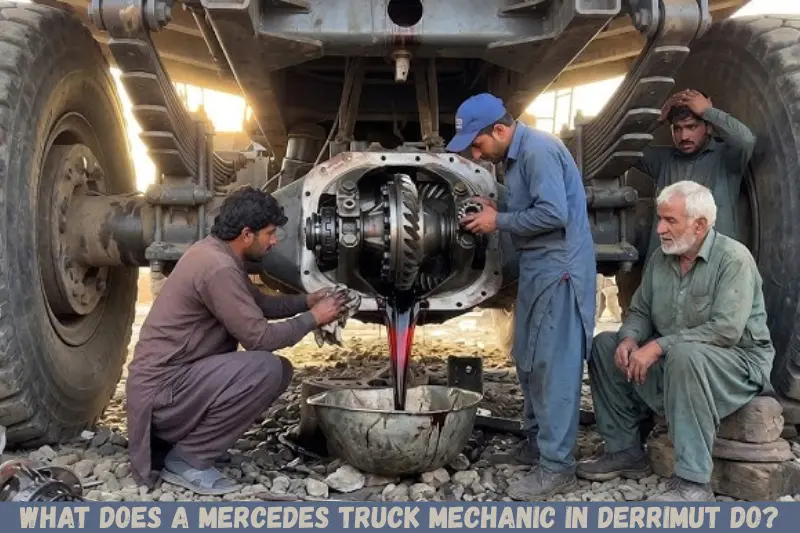
A Mercedes truck mechanic specialises in inspecting, servicing, diagnosing, maintaining, and repairing commercial trucks. Depending on the workshop and mechanic’s capabilities, services can range from routine maintenance to complex engine, transmission, braking, and electrical repairs.
A qualified mechanic may inspect areas such as:
- Engine and fuel systems
- Transmission and drivetrain
- Braking system
- Suspension and steering
- Cooling system
- Electrical components
- Battery and charging system
- Exhaust and emissions components
- Tyres and related components
- Hydraulic systems where applicable
For Mercedes-Benz trucks, proper diagnostic equipment and knowledge of the vehicle’s systems can make troubleshooting more efficient.
Why Choose a Specialist Mercedes Truck Mechanic?
Choosing a mechanic familiar with Mercedes-Benz commercial vehicles can be beneficial because heavy trucks have different requirements from passenger cars.
Mercedes Truck-Specific Knowledge
Mercedes-Benz trucks are engineered for commercial applications and may use sophisticated electronic control systems, sensors, and drivetrain components. A mechanic who regularly works with heavy vehicles is more likely to understand the demands placed on these systems.
Accurate Diagnostics
Modern trucks can generate fault codes when a sensor, electrical component, or mechanical system develops a problem. Diagnostic testing can help narrow down the cause rather than relying only on visual inspection.
However, a diagnostic fault code does not always mean that the identified component itself has failed. A professional mechanic should investigate the underlying cause before replacing parts.
Reduced Unnecessary Repairs
A systematic inspection can help prevent unnecessary component replacement. The mechanic can assess symptoms, inspect related systems, perform appropriate tests, and then recommend the required repair.
Better Preventive Maintenance
Commercial trucks often cover substantial distances and operate under demanding conditions. Preventive maintenance can help identify worn components before they contribute to a roadside breakdown.
Mercedes Truck Services Available in Derrimut
The exact services offered vary between workshops, but a full-service Mercedes truck mechanic Derrimut search may include several important categories.
Engine Servicing and Repairs
The engine is one of the most important systems in a commercial truck. Regular servicing helps maintain engine performance and allows technicians to identify potential problems.
Engine-related services may include:
- Engine oil and filter replacement
- Inspection for oil leaks
- Cooling-system checks
- Belt and hose inspections
- Engine diagnostics
- Performance troubleshooting
- Starting and running problem diagnosis
- Repair of identified engine faults
If a truck develops unusual smoke, poor acceleration, excessive noise, overheating, or increased fluid consumption, professional inspection is recommended.
Transmission and Drivetrain Repairs
Transmission problems can affect acceleration, gear changes, fuel efficiency, and overall drivability.
A mechanic may investigate:
- Difficult gear changes
- Transmission warning lights
- Unusual transmission noises
- Fluid leaks
- Delayed engagement
- Drivetrain vibrations
The correct repair depends on the symptoms and diagnostic findings.
Brake Inspection and Repair
Truck braking systems require careful attention because commercial vehicles can operate at high gross weights.
Brake servicing may involve inspection of:
- Brake pads or linings
- Discs or drums
- Brake chambers
- Air lines
- Valves and related components
- ABS-related systems
- Air pressure performance
Any noticeable change in braking performance should be investigated promptly.
Electrical Diagnostics
Electrical faults can be difficult to identify without appropriate testing equipment.
Common symptoms include:
- Warning lights
- Starting difficulties
- Battery problems
- Intermittent electrical faults
- Lighting failures
- Sensor-related errors
- Communication faults between vehicle control systems
A proper diagnostic process should identify whether the problem is caused by wiring, a sensor, power supply, grounding, a control module, or another component.
Cooling System Service
Overheating can cause serious engine damage if it is ignored.
A cooling-system inspection can include:
- Coolant level checks
- Leak inspection
- Radiator inspection
- Hose inspection
- Thermostat-related diagnosis
- Cooling fan checks
- Temperature-related diagnostics
If the temperature gauge rises beyond its normal operating range, continuing to drive without investigating the issue can increase the risk of expensive damage.
Suspension and Steering
A truck’s suspension and steering systems affect handling, stability, tyre wear, and driving comfort.
A mechanic may inspect:
- Suspension components
- Shock absorbers
- Bushes
- Steering components
- Wheel alignment-related issues
- Uneven tyre wear
Regular inspection is especially important when a truck operates frequently on rough roads or carries heavy loads.
How to Choose the Right Mercedes Truck Mechanic Derrimut
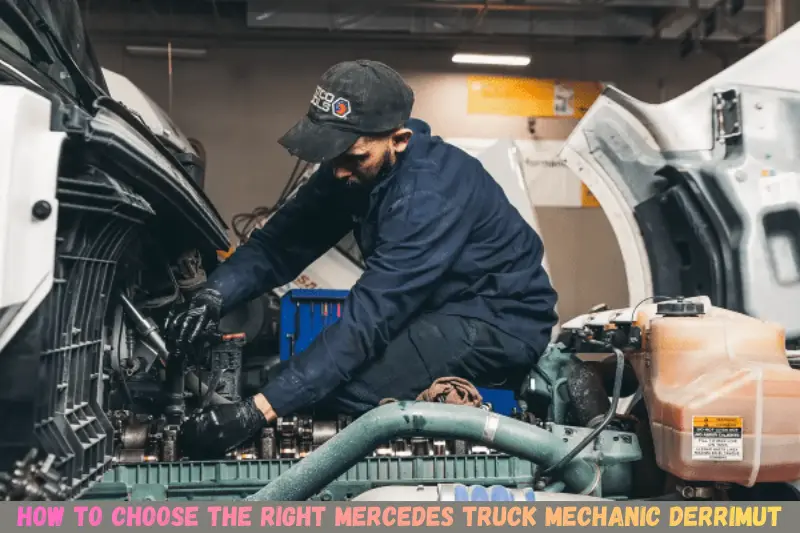
Not every workshop provides the same level of commercial truck support. Before booking a repair, compare several important factors.
1. Check Heavy-Duty Experience
Ask whether the workshop regularly works on commercial trucks rather than primarily passenger vehicles.
Experience with heavy-duty vehicles can be particularly valuable when dealing with large engines, air brakes, commercial transmissions, and complex electrical systems.
2. Ask About Diagnostic Equipment
Modern Mercedes-Benz trucks can require electronic diagnostics. Ask whether the workshop has appropriate diagnostic equipment and whether technicians can interpret the results correctly.
3. Confirm the Service You Need
Before booking, explain the symptoms clearly.
For example, instead of saying only that the truck is “not working properly,” provide information such as:
- When the problem started
- Whether it happens when the engine is cold or warm
- Any warning lights
- Unusual sounds or smells
- Changes in fuel consumption
- Changes in gear shifting
- Whether the problem happens under load
More precise information can help the mechanic begin the diagnostic process efficiently.
4. Ask for a Clear Estimate
A professional workshop should explain the recommended work and, where practical, provide an estimate before significant repairs are carried out.
Ask whether the quoted amount includes:
- Labour
- Parts
- Diagnostic charges
- Additional inspections
- Applicable taxes or other charges
5. Consider Turnaround Time
For commercial vehicles, downtime has a direct operational impact. Ask how long the inspection or repair is expected to take and whether additional parts could affect the timeline.
Mercedes Truck Servicing: A Practical Step-by-Step Process
A typical professional servicing process can follow several stages.
Step 1: Initial Vehicle Assessment
The mechanic discusses the truck’s history, current symptoms, mileage, operating conditions, and previous repairs.
Step 2: Visual Inspection
The technician checks for visible leaks, damaged components, worn parts, fluid issues, and other obvious concerns.
Step 3: Diagnostic Testing
Where appropriate, electronic diagnostic equipment is used to identify stored fault codes and system abnormalities.
Step 4: System Inspection
The mechanic investigates the affected system rather than automatically replacing the component associated with a fault code.
Step 5: Repair Recommendation
The workshop explains the identified problem and recommends appropriate repairs or maintenance.
Step 6: Repair and Testing
After the work is completed, relevant systems should be checked to confirm that the repair has addressed the reported problem.
Step 7: Maintenance Record
Keeping service and repair records makes it easier to monitor the truck’s maintenance history and plan future servicing.
Benefits of Regular Mercedes Truck Maintenance
Preventive maintenance is not simply about fixing a truck after it breaks down. It is about identifying and addressing maintenance needs before they become larger operational problems.
Key benefits include:
- Better reliability
- Earlier identification of worn components
- Reduced risk of unexpected breakdowns
- Improved maintenance planning
- Better vehicle condition monitoring
- Potentially lower long-term repair costs
- Improved operational readiness
Maintenance cannot eliminate every possible breakdown, but it can help reduce avoidable problems caused by neglected service requirements.
Signs Your Mercedes Truck Needs Professional Attention
Some warning signs should not be ignored.
Warning Lights
A dashboard warning light can indicate a problem requiring further diagnosis. The appropriate response depends on the warning and vehicle condition.
Unusual Engine Noise
Knocking, rattling, whining, or other unfamiliar sounds may indicate mechanical or accessory-related problems.
Poor Performance
Loss of power, slow acceleration, rough running, or unusual fuel consumption can have several possible causes.
Brake Problems
If braking feels different, the vehicle pulls during braking, warning indicators appear, or braking performance changes, arrange an inspection promptly.
Transmission Problems
Hard shifting, slipping, unusual noise, or warning messages can indicate that the transmission requires professional diagnosis.
Overheating
An overheating engine should not be treated as a minor issue. Continuing to operate the vehicle while it is overheating can increase the potential for serious damage.
Common Mistakes Truck Owners Should Avoid
Ignoring Small Problems
A minor leak or warning light may seem unimportant when the truck is still operating. Delaying inspection can allow an underlying problem to develop further.
Using the Wrong Parts or Fluids
Commercial vehicles have specific maintenance requirements. Parts and fluids should be selected according to the vehicle manufacturer’s specifications and the truck’s application.
Choosing a Mechanic Only Because of Price
The cheapest initial quote is not necessarily the lowest overall cost. Diagnostic quality, parts quality, workmanship, warranty terms, and downtime should also be considered.
Skipping Maintenance Because the Truck Is Running
A truck can appear to operate normally while developing wear or maintenance issues. Preventive servicing remains important even when no obvious fault is present.
Replacing Parts Without Proper Diagnosis
Replacing components based solely on symptoms or fault codes can waste money if the actual cause has not been identified.
How Fleet Operators Can Improve Truck Maintenance
Fleet operators can make maintenance more organised by keeping consistent records for each vehicle.
Useful information includes:
- Service dates
- Mileage
- Repair history
- Parts replaced
- Diagnostic findings
- Tyre-related maintenance
- Brake inspections
- Fluid servicing
- Recurring faults
A maintenance history can help identify recurring issues and make future servicing more predictable.
Mercedes Truck Mechanic Derrimut: What Should You Ask Before Booking?
Before handing over your truck, ask a few straightforward questions:
- Do you regularly service Mercedes-Benz commercial trucks?
- Can you diagnose electronic and mechanical faults?
- What inspection will be performed?
- Will you provide an estimate before major repairs?
- Which parts will be used?
- Is there a warranty on the repair or parts?
- What is the expected turnaround time?
- Will you provide a record of the completed work?
Clear answers can help you choose a workshop that matches your vehicle’s needs.
Maintenance Tips for Mercedes Truck Owners
Good maintenance begins between workshop visits. Truck operators should pay attention to changes in vehicle behaviour and follow the manufacturer’s recommended maintenance requirements.
Practical habits include:
- Check for visible fluid leaks.
- Monitor dashboard warning lights.
- Pay attention to unusual sounds.
- Check tyre condition regularly.
- Do not ignore braking changes.
- Keep service records organised.
- Follow recommended service intervals.
- Report new symptoms early.
- Avoid operating an obviously unsafe vehicle.
The exact maintenance schedule should depend on the truck model, engine, operating conditions, mileage, and manufacturer’s recommendations.
Internal link
Mercedes truck servicing in Derrimuttruck maintenance guideMercedes truck maintenance informationMercedes truck informationRegular maintenance can help identify developing problems before they become serious. You can also read our complete guide to truck maintenance for practical maintenance tips.Mercedes-Benz truck informationFrequently Asked Questions
What does a Mercedes truck mechanic in Derrimut repair?
A Mercedes truck mechanic in Derrimut may provide services including engine maintenance, diagnostics, transmission repairs, brake inspections, electrical troubleshooting, cooling-system repairs, suspension work, and general heavy-duty truck servicing. Available services vary by workshop, so it is best to confirm that the mechanic handles your specific Mercedes-Benz truck model and repair requirement.
How often should a Mercedes truck be serviced?
The correct service interval depends on the specific truck model, engine, mileage, operating conditions, and manufacturer’s maintenance schedule. Trucks used for heavy commercial work may experience demanding operating conditions. Always follow the applicable Mercedes-Benz maintenance recommendations and have the vehicle inspected if new symptoms develop between scheduled services.
Can a truck mechanic diagnose Mercedes warning lights?
Yes, a suitably equipped commercial truck workshop can use diagnostic equipment to investigate electronic warning lights and stored fault information. However, a fault code is not necessarily proof that a particular component has failed. Proper diagnosis should include additional testing to identify the underlying cause before repairs are approved.
What are common Mercedes truck problems?
Possible issues include electrical faults, cooling-system problems, brake wear, transmission concerns, suspension wear, sensor faults, and engine-related problems. The actual cause depends on the truck model, operating conditions, maintenance history, and symptoms. Professional diagnosis is important because similar symptoms can sometimes originate from different vehicle systems.
How can I find a reliable Mercedes truck mechanic in Derrimut?
Look for a workshop with relevant heavy-duty truck experience, suitable diagnostic equipment, transparent estimates, clear communication, and a good approach to preventive maintenance. Ask about experience with your Mercedes-Benz truck model, parts used, repair warranty, expected turnaround time, and whether the workshop can provide a detailed service record.
Expert Tips for Better Truck Maintenance
For commercial truck operators, maintenance should be treated as part of normal fleet management rather than something done only after a breakdown.
A few practical principles can make a difference:
- Diagnose before replacing: Avoid replacing expensive components without confirming the cause.
- Track recurring problems: Repeated faults can indicate an underlying issue that needs deeper investigation.
- Keep records: Accurate service history helps mechanics understand previous work.
- Act on warning signs: Early inspection can prevent a minor issue from becoming a larger repair.
- Use the correct specifications: Follow manufacturer requirements for parts, fluids, and servicing.
- Plan downtime: Schedule routine maintenance around business operations whenever possible.
Conclusion
Finding the right Mercedes truck mechanic Derrimut service can help truck owners and fleet operators manage servicing, diagnostics, repairs, and preventive maintenance more effectively. A dependable mechanic should have appropriate heavy-duty experience, suitable diagnostic capabilities, transparent communication, and a systematic approach to identifying vehicle problems.
Regular servicing is particularly important for commercial trucks because they often operate under demanding conditions. Engine, transmission, brakes, electrical systems, cooling components, suspension, and other critical systems should be monitored according to the vehicle’s requirements.
If your Mercedes-Benz truck is showing a warning light, unusual noise, poor performance, braking changes, overheating, or transmission problems, do not simply replace parts based on symptoms. Arrange a professional inspection and ask the mechanic to identify the underlying cause.
