

Introduction
Truck alternator repairs Derrimut are important when a commercial vehicle starts showing battery, electrical, or starting problems. The alternator is responsible for generating electrical power while the engine runs and helping keep the battery charged. When it develops a fault, a truck may experience dim lights, warning indicators, slow starting, electrical failures, or eventually a complete breakdown.
This guide explains how truck alternators work, the common symptoms of alternator failure, likely causes, diagnostic procedures, repair options, maintenance practices, and practical ways to reduce the risk of unexpected downtime. It is also useful for fleet operators and businesses looking for dependable heavy-vehicle electrical maintenance.
What Is a Truck Alternator Repairs Derrimut?
A truck alternator is an engine-driven electrical component that converts mechanical energy into electrical energy. Its main job is to supply electricity to the truck’s electrical systems while the engine is operating and maintain the battery’s state of charge.
Modern trucks can have significant electrical demands because they may operate lighting, electronic control units, communication equipment, refrigeration systems, sensors, safety systems, and other accessories.
A properly functioning alternator helps maintain stable electrical voltage and supports reliable vehicle operation.
How Does a Truck Alternator Repairs Derrimut Work?
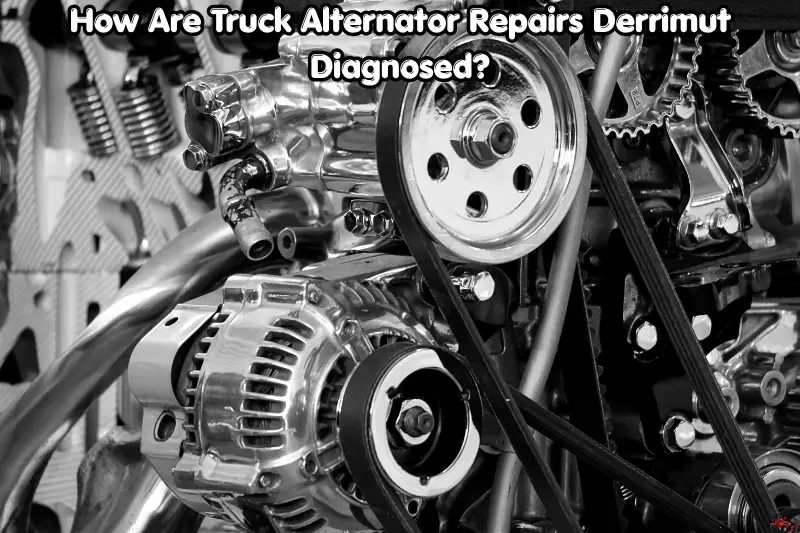
The alternator is driven by the engine through a belt or related drive system. As the alternator rotates, it generates electrical energy. The output is then regulated and supplied to the truck’s electrical system.
The main components can include:
- Rotor
- Stator
- Rectifier
- Voltage regulator
- Bearings
- Pulley
- Brushes and slip rings, depending on the design
A problem with any of these components can affect charging performance.
Common Signs Your Truck Alternator Repairs Derrimut Needs Repair
The most obvious indication is often a charging-system warning light, but alternator problems can appear in several different ways.
1. Battery or Charging Warning Light
If the dashboard displays a battery or charging-system warning, the alternator may not be producing sufficient output. However, the warning does not automatically mean the alternator itself is defective. Wiring, connections, the belt, battery, or voltage regulation system can also be responsible.
2. Dim or Flickering Lights
Headlights, dashboard illumination, or other electrical equipment that becomes unusually dim or flickers may indicate unstable charging voltage.
This can become more noticeable when the truck is idling or when several electrical accessories are operating simultaneously.
3. Slow Engine Starting
A weak alternator can leave the battery inadequately charged. The result may be slow cranking, particularly after the vehicle has been operating with heavy electrical loads.
A slow start does not always mean the alternator is faulty. Battery condition and starter performance should also be checked.
4. Electrical Accessories Stop Working Properly
Electrical systems may behave unpredictably when voltage is too low or unstable. Depending on the truck, symptoms may include malfunctioning gauges, lighting problems, accessory failures, or electronic warning messages.
5. Unusual Alternator Noise
Grinding, squealing, humming, or other unusual sounds can indicate mechanical wear. Damaged bearings, pulley problems, belt issues, or internal alternator damage may produce noise.
6. Burning Smell
A burning rubber or electrical smell should not be ignored. A slipping belt, overheated wiring, excessive electrical resistance, or an alternator fault could be involved.
If smoke or severe overheating occurs, the truck should be stopped safely and inspected by a qualified technician.
What Causes Truck Alternator Problems?
Truck alternators operate under demanding conditions, so several factors can contribute to failure.
Worn Bearings and Internal Components
Alternator bearings rotate continuously while the engine is running. Over time, wear can cause noise and eventually affect the alternator’s operation.
Brushes, slip rings, rectifiers, and other internal components can also deteriorate depending on the alternator design and operating conditions.
Damaged or Loose Drive Belt
The alternator must rotate at the correct speed to generate electricity. A worn, loose, damaged, or slipping belt can reduce alternator output.
A belt problem can sometimes be mistaken for an alternator failure, which is why proper diagnosis is important.
Faulty Voltage Regulator
The voltage regulator controls alternator output so the electrical system receives appropriate voltage. A regulator problem can result in undercharging or excessive voltage.
Both conditions can create electrical problems and should be investigated promptly.
Corroded Electrical Connections
Corrosion, loose terminals, damaged cables, and poor grounding can increase electrical resistance. This may prevent the charging system from operating correctly even when the alternator itself is in good condition.
Excessive Electrical Loads
Heavy-duty trucks can carry substantial electrical loads. Additional equipment may increase demand on the charging system.
If electrical consumption exceeds the capability of the charging system, charging performance can suffer.
How Are Truck Alternator Repairs Derrimut Diagnosed?
A professional diagnosis should identify the actual cause instead of immediately replacing the alternator.
Step 1: Visual Inspection
A technician can inspect the alternator, belt, wiring, connectors, battery terminals, grounds, and surrounding components.
Visible damage, loose connections, corrosion, belt wear, or fluid contamination may provide important clues.
Step 2: Battery Testing
The battery should be tested because a weak or damaged battery can produce symptoms similar to an alternator problem.
Checking the battery and charging system together provides a more accurate picture.
Step 3: Charging-System Testing
A technician can measure charging-system voltage and evaluate alternator output under appropriate operating conditions.
The exact specifications depend on the truck and charging system, so testing should follow the vehicle manufacturer’s requirements.
Step 4: Electrical Circuit Inspection
Wiring, grounds, fuses, connectors, and control circuits should be examined when the alternator output appears normal but charging problems continue.
Step 5: Load Testing
Testing under electrical load can help determine whether the charging system can support the truck’s electrical requirements.
This is particularly useful for commercial vehicles with additional electrical equipment.
Repair or Replace the Alternator?
The best option depends on the fault, alternator condition, vehicle requirements, and availability of suitable parts.
| Option | Best Used When | Main Consideration |
|---|---|---|
| Repair | A specific internal component has failed | Requires compatible quality parts |
| Rebuild | The alternator is suitable for refurbishment | Overall condition must be acceptable |
| Replacement | Damage is extensive or repair is impractical | Correct specifications are essential |
| Electrical repair | Wiring or connections are faulty | Alternator may not need replacement |
A professional technician should assess the unit before deciding. Replacing a functioning alternator will not solve a damaged cable, poor ground, faulty belt, or unrelated battery problem.
Benefits of Professional Truck Alternator Repairs in Derrimut
Reliable charging is essential for commercial vehicles because electrical problems can quickly become operational problems.
Improved Reliability
Correct diagnosis and repair can reduce the likelihood of repeated charging-system failures.
Reduced Downtime
For businesses operating trucks, unexpected electrical failures can interrupt deliveries, schedules, and fleet operations. Preventive inspection can help identify developing problems earlier.
Better Battery Performance
The alternator and battery work together. Maintaining the charging system helps ensure the battery receives the appropriate charging support.
Protection of Electrical Components
Incorrect charging voltage can cause problems for sensitive electrical equipment. Proper diagnosis helps identify voltage-regulation issues before they create additional complications.
Better Fleet Maintenance Planning
Fleet operators can include charging-system inspections in scheduled maintenance instead of waiting for a truck to stop operating.
Truck Alternator Repairs Derrimut Maintenance Tips
Regular maintenance can help identify charging problems before they become serious.
Inspect the Alternator Belt
Look for signs of cracking, excessive wear, looseness, or contamination. Follow the truck manufacturer’s inspection and replacement recommendations.
Check Battery Connections
Battery terminals and electrical connections should remain clean and secure. Corrosion or looseness can interfere with current flow.
Monitor Dashboard Warnings
Do not ignore a battery or charging warning light. Continuing to operate a truck with a charging-system problem may eventually leave the vehicle unable to start.
Pay Attention to New Noises
A new squealing, grinding, or whining sound deserves investigation, particularly if it changes with engine speed.
Include Charging-System Checks in Fleet Servicing
Commercial trucks benefit from systematic maintenance. Alternator output, battery condition, wiring, belts, and grounds can be inspected during appropriate service intervals.
Common Mistakes to Avoid
Replacing the Battery Without Testing the Alternator
A new battery may temporarily hide the problem, but the truck can develop the same issue again if the charging system is defective.
Replacing the Alternator Without Checking Wiring
A poor ground or damaged cable can create charging symptoms even when the alternator is working correctly.
Ignoring a Warning Light
A charging warning can be an early indication of a developing problem. Delaying diagnosis can increase the chance of a roadside failure.
Using Incorrect Replacement Parts
Truck alternator repairs Derrimut have different output ratings, mounting arrangements, pulley configurations, and electrical specifications. The replacement should be compatible with the vehicle.
Continuing to Drive After Severe Electrical Symptoms
If the truck experiences major electrical failures, smoke, severe overheating, or a rapidly worsening charging problem, continuing to operate it may increase the risk of further damage or a breakdown.
When Should You Seek Truck Alternator Repairs Derrimut Repairs?
You should arrange an inspection when you notice:
- A battery or charging warning light
- Repeated starting problems
- Dim or flickering lights
- Unusual alternator or belt noise
- Electrical accessories behaving incorrectly
- A burning smell near the engine compartment
- Battery repeatedly becoming discharged
- Charging voltage that does not meet the vehicle specification
For commercial operators, early diagnosis is usually more practical than waiting until the truck becomes immobile.
Why Accurate Diagnosis Matters for Fleet Operators
A truck’s charging system is not an isolated component. It interacts with the battery, starter, wiring, grounding system, electronic control modules, and electrical accessories.
For example, a fleet truck may have a healthy alternator but still experience low charging performance because of a damaged cable. Similarly, a battery may repeatedly discharge because the alternator is not providing sufficient output.
This is why a complete charging-system inspection is more useful than assuming every electrical problem is an alternator failure.
Truck Alternator Repairs Derrimut and Preventive Fleet Care
Businesses that depend on commercial vehicles should treat electrical maintenance as part of overall fleet reliability.
A preventive approach can include:
- Recording recurring electrical symptoms.
- Inspecting belts and connections during scheduled servicing.
- Testing battery condition periodically.
- Investigating charging warnings promptly.
- Keeping records of alternator repairs and replacements.
- Using parts that match the manufacturer’s specifications.
- Checking the complete charging circuit after repairs.
This approach can help fleet managers identify recurring problems and make maintenance decisions based on actual vehicle condition.
For complete truck maintenance and roadside support, explore our truck mechanic services, truck repairs, and mobile truck mechanic services. These services can help truck owners and fleet operators handle electrical, mechanical, and roadside problems efficiently.
For reliable information about heavy vehicle safety, maintenance, and compliance in Australia, visit the National Heavy Vehicle Regulator (NHVR). It provides official guidance and resources for heavy vehicle operators and businesses.
Trusted Vehicle Maintenance Information
For authoritative information about vehicle safety and heavy-vehicle requirements, readers can also consult the National Heavy Vehicle Regulator (NHVR), particularly when maintenance and safe operation intersect with Australian heavy-vehicle compliance requirements.
Frequently Asked Questions
What are the most common signs of a bad Truck alternator repairs Derrimut?
Common signs include a charging warning light, dim or flickering lights, repeated battery discharge, slow starting, unusual alternator noise, and electrical accessories behaving inconsistently. These symptoms can also be caused by batteries, belts, wiring, or grounding problems, so professional testing is recommended before replacing the alternator.
Can a Truck alternator repairs Derrimut be repaired instead of replaced?
Yes, some alternators can be repaired or rebuilt when the housing and major components remain suitable. Individual components such as bearings, regulators, rectifiers, or other serviceable parts may sometimes be replaced. However, replacement may be more appropriate when the unit has extensive internal damage or refurbishment is not economical.
How long can a truck drive with a failing alternator?
There is no reliable universal driving time because it depends on the battery condition, alternator output, electrical load, and nature of the failure. A truck may continue temporarily on battery power, but the battery can eventually become discharged. Continuing to drive can therefore result in an unexpected breakdown.
Does a bad alternator always mean the battery is bad?
No. An alternator and battery perform different jobs, although they work together. A faulty alternator can leave a healthy battery undercharged, while an aging battery can create starting problems even when the alternator works correctly. Testing both components helps identify the actual source of the problem.
How can Truck alternator repairs Derrimut problems be prevented?
Regular inspections, correct belt maintenance, clean electrical connections, battery testing, and prompt attention to charging warnings can reduce the risk of unexpected problems. Fleet operators should also follow the truck manufacturer’s recommended maintenance schedule and investigate recurring electrical faults instead of repeatedly replacing batteries.
Conclusion
Truck alternator repairs Derrimut are an important part of maintaining dependable commercial vehicles. Alternator problems can appear as warning lights, weak starting, dim lighting, unusual noises, electrical failures, or repeated battery discharge.
The right approach is to diagnose the complete charging system rather than automatically replacing the alternator. Checking the battery, belt, wiring, grounding, regulator, and alternator output can help identify the real cause.
For truck owners and fleet operators, the practical next step is simple: if your vehicle is showing charging or electrical symptoms, arrange a professional inspection before the problem develops into a roadside breakdown. Regular preventive maintenance can also help keep trucks operating reliably and reduce avoidable downtime.
