

Introduction
Truck cooling system repairs Derrimut are essential when a heavy vehicle begins overheating, losing coolant, showing abnormal temperature readings, or struggling under load. A properly maintained cooling system helps control engine temperature and protects important components from excessive heat.
This guide explains how a Truck cooling system repairs Derrimut works, the most common faults, warning signs that should not be ignored, professional repair procedures, maintenance tips, and ways to reduce unexpected breakdowns. It is also useful for fleet operators, truck owners, drivers, and businesses that depend on reliable heavy vehicles around Derrimut and Melbourne’s western industrial areas.
What Is a Truck Cooling System?
A Truck cooling system repairs Derrimut is the group of components responsible for controlling engine operating temperature. It normally includes the radiator, coolant, water pump, thermostat, cooling fan, hoses, belts, expansion or overflow tank, radiator cap, and related sensors.
When you need truck cooling system repairs Derrimut, the first priority is finding the actual cause of the temperature problem. A cooling system includes several connected components, so a fault with the radiator, thermostat, water pump, cooling fan, hoses, or coolant can create similar overheating symptoms. Proper inspection helps identify the failed component and prevents unnecessary repairs.
The system transfers excess heat away from the engine and releases it through the radiator. If one component becomes damaged or restricted, the engine may run too hot.
Why Cooling System Condition Matters
Heavy-duty diesel engines can operate under demanding conditions for long periods. Towing, carrying heavy loads, extended idling, traffic congestion, hot weather, and long-distance driving can all place additional demands on the cooling system.
A cooling problem can quickly become a larger mechanical issue if the truck continues operating while overheating. For this reason, unusual temperature changes, coolant leaks, or repeated overheating should be investigated rather than ignored.
Common Signs Your Truck Needs Cooling System Repairs
If you are searching for truck cooling system repairs Derrimut, checking the early warning signs can help you act before a minor cooling fault becomes a major breakdown. Overheating, coolant loss, unusual smells, steam, and abnormal temperature readings should all be taken seriously, especially when a truck is operating under a heavy load.
The most obvious warning sign is an engine temperature gauge moving above its normal operating range. However, cooling problems can appear in several other ways.
1. Engine Overheating
If the temperature gauge repeatedly climbs into the high-temperature zone, the cooling system may not be removing heat effectively. Possible causes include low coolant, a blocked radiator, thermostat problems, fan failure, or a failing water pump.
If the temperature continues rising, stop the vehicle safely and allow the engine to cool. Continuing to drive an overheating truck can increase the risk of serious engine damage.
2. Coolant Leaks
Puddles or stains underneath the truck may indicate a leaking hose, radiator, water pump, expansion tank, gasket, or connection.
Coolant can also leak internally, so the absence of a visible puddle does not always mean the system is leak-free.
3. Low Coolant Level
A repeatedly falling coolant level is a warning that should be investigated. Simply adding coolant may temporarily restore the level but does not solve the reason for the loss.
A professional inspection can help determine whether the problem comes from an external leak, internal engine issue, damaged component, or another fault.
4. Steam or Coolant Odour
Steam from the engine compartment can indicate that coolant is reaching very high temperatures or escaping from a damaged component. A noticeable coolant smell may also occur when coolant contacts hot engine parts.
Never open a pressurised cooling system while it is hot. Hot coolant and steam can cause serious burns.
5. Poor Cabin Heater Performance
A heater that suddenly blows cool air when the engine is warm can sometimes indicate insufficient coolant circulation. Possible causes include low coolant, air in the cooling system, restricted flow, or other cooling-system faults.
This symptom should be assessed alongside the temperature gauge and other signs rather than treated as a definite diagnosis on its own.
6. Warning Lights or Abnormal Temperature Readings
Modern trucks use temperature sensors and electronic systems to monitor engine operation. A warning light, fault code, or unusual temperature reading can provide an important early indication of a cooling problem.
Professional diagnostic equipment can help identify sensor-related faults and determine whether the underlying issue is mechanical, electrical, or both.
Main Causes of Truck Cooling System Repairs Derrimut Problems
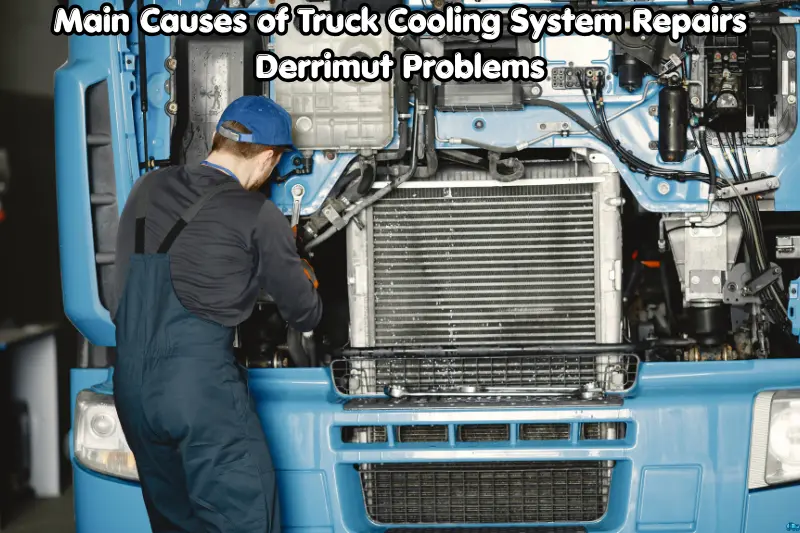
Many truck cooling system repairs Derrimut are linked to problems that develop gradually, such as worn hoses, restricted radiators, faulty thermostats, damaged water pumps, or cooling fan issues. Finding the exact cause is important because replacing one component without checking the rest of the system may leave the original cooling problem unresolved.
Cooling system failures can result from normal component wear, contamination, poor maintenance, leaks, electrical faults, or damage caused by operating conditions.
Low or Contaminated Coolant
Coolant must be maintained according to the truck manufacturer’s specifications. Using the wrong coolant type, incorrect mixture, or contaminated fluid can affect cooling-system performance and component protection.
A technician should check the coolant condition and follow the vehicle manufacturer’s recommended coolant specification.
Blocked or Damaged Radiator
The radiator transfers heat from the coolant to the surrounding air. Dirt, debris, corrosion, internal deposits, or physical damage can reduce its ability to transfer heat.
Heavy vehicles operating around industrial areas may collect dust and debris around the radiator and cooling package, making regular inspection particularly important.
Faulty Thermostat
The thermostat regulates coolant flow according to engine temperature. If it becomes stuck open or closed, the engine may fail to reach the correct operating temperature or may overheat.
Thermostat faults should be diagnosed rather than replaced automatically because other cooling-system problems can produce similar symptoms.
Water Pump Failure
The water pump circulates coolant through the engine and radiator. Worn bearings, damaged seals, impeller problems, or other failures can reduce coolant circulation.
A failing pump may produce coolant leakage, unusual noise, overheating, or other signs depending on the vehicle design and failure mode.
Cooling Fan Problems
The cooling fan helps move air through the radiator, especially when the truck is stationary or moving slowly. Fan motors, clutches, controls, wiring, or related components can fail.
A fan problem can become especially noticeable during heavy loads, traffic, hot weather, or prolonged idling.
Damaged Hoses and Belts
Cooling hoses can deteriorate through age, heat exposure, vibration, pressure, and chemical effects. Belts that drive cooling-related components can also become worn, cracked, loose, or damaged.
Replacing a visibly damaged hose or belt before failure can help prevent an avoidable roadside breakdown.
What Happens During Truck Cooling System Repairs in Derrimut?
A professional cooling-system inspection should identify the cause of the fault instead of simply replacing the most obvious component.
Reliable truck cooling system repairs Derrimut should begin with a complete inspection rather than immediately replacing a part. A technician can assess coolant levels, inspect for leaks, check radiator condition, examine hoses and belts, and test relevant cooling components. This approach helps ensure that the repair addresses the underlying problem instead of only treating the visible symptom.
Step 1: Initial Inspection
The technician checks the temperature symptoms, coolant level, visible leaks, hoses, radiator, fan, belts, expansion tank, and other accessible components.
The truck’s operating history is also useful. Information such as when the overheating occurs, whether it happens under load, and whether coolant has been disappearing can help narrow the diagnosis.
Step 2: Cooling System Pressure Testing
A pressure test can help identify leaks that may not be obvious during a visual inspection. The technician follows the appropriate procedure and equipment requirements for the particular truck.
This is especially useful when coolant levels continue falling without an obvious external leak.
Step 3: Component and Flow Checks
Depending on the symptoms, the technician may inspect the thermostat, water pump, radiator condition, fan operation, hoses, coolant circulation, sensors, and related controls.
The exact diagnostic procedure varies according to the truck model and engine.
Step 4: Repair or Component Replacement
Once the fault is identified, damaged components can be repaired or replaced using parts appropriate for the vehicle.
Potential repairs may include radiator replacement or repair, hose replacement, thermostat replacement, water pump repair, fan-system repairs, coolant service, leak repairs, or sensor-related work.
Step 5: Cooling System Refill and Bleeding
After repairs, the system must be refilled using the correct coolant specification and the manufacturer’s recommended procedure. Air trapped in the cooling system can affect circulation and temperature control, so appropriate bleeding or air-removal procedures may be required.
Step 6: Testing
The truck should be checked after the repair to confirm that the original problem has been addressed. Depending on the fault, this may involve checking temperature behaviour, leaks, fan operation, coolant circulation, warning indicators, and other relevant systems.
Benefits of Professional Truck Cooling System Repairs Derrimut
Professional repair provides more than simply replacing a damaged component.
Reduced Risk of Major Engine Damage
Identifying overheating early can help prevent a relatively small cooling fault from developing into a much more expensive engine problem.
Improved Vehicle Reliability
A properly maintained cooling system allows the truck to perform more consistently under normal operating conditions.
Less Unexpected Downtime
Cooling failures can leave commercial trucks stranded and disrupt deliveries, schedules, and fleet operations. Preventive inspections and timely repairs can reduce avoidable downtime.
Better Maintenance Planning
A professional inspection can identify worn components before they fail completely. This allows operators to plan repairs around maintenance schedules instead of waiting for an emergency breakdown.
Truck Cooling System Repairs Derrimut vs Preventive Maintenance
Repair and maintenance are related but not identical.
| Cooling System Repairs | Preventive Cooling Maintenance |
|---|---|
| Fixes an identified fault | Helps prevent faults |
| Usually follows a symptom or failure | Performed according to a maintenance schedule |
| May require component replacement | Focuses on inspection, servicing and condition monitoring |
| Often urgent when overheating occurs | Can usually be planned |
| Restores proper system operation | Helps maintain reliability |
| Both approaches are important. Preventive maintenance does not guarantee that a component will never fail, but it can help identify deterioration before a breakdown. |
How to Prevent Truck Cooling System Repairs Derrimut Problems
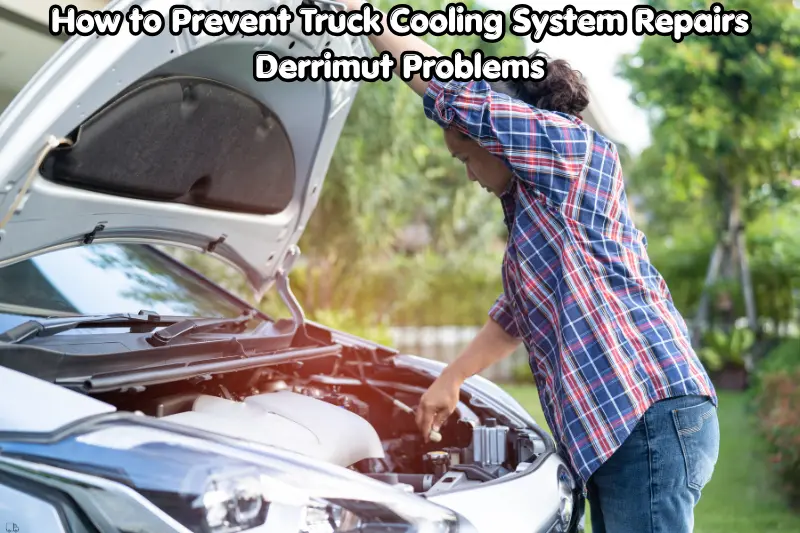
Regular maintenance can reduce the need for emergency truck cooling system repairs Derrimut. Checking coolant levels, inspecting hoses, keeping the radiator area clean, monitoring engine temperature, and following the manufacturer’s service schedule can help identify developing problems before they interrupt normal truck operations.
Regular checks are one of the simplest ways to protect a heavy vehicle’s cooling system.
Check Coolant Regularly
Inspect coolant levels according to the manufacturer’s recommended procedure and schedule. If the level repeatedly drops, investigate the cause instead of repeatedly topping it up.
Inspect Hoses and Connections
Look for cracking, swelling, soft spots, abrasions, loose connections, and signs of leakage.
Keep the Radiator and Cooling Package Clean
Dust, dirt, leaves, insects, and other debris can restrict airflow. Cleaning should be carried out using a method suitable for the truck and radiator construction so delicate fins are not damaged.
Follow Manufacturer Service Intervals
Different trucks and engines have different maintenance requirements. Always use the manufacturer’s specifications for coolant type, service intervals, component inspection, and replacement procedures.
Monitor Temperature Changes
Drivers are often the first people to notice changes in truck behaviour. An unusual temperature reading should be reported promptly, particularly if it occurs repeatedly or under load.
Record Recurring Faults
Fleet operators should record overheating incidents, coolant losses, repairs, and component replacements. Recurring problems can indicate an unresolved root cause.
The NHVR’s heavy vehicle maintenance guidance emphasises systematic inspection, timely repairs, accurate maintenance records, and keeping vehicles safe and roadworthy. Its National Heavy Vehicle Inspection Manual also recommends using manufacturer specifications alongside the inspection requirements.
When Should You Stop Driving an Overheating Truck?
If the temperature gauge reaches an unsafe range, a warning indicates severe overheating, steam is escaping, or coolant is rapidly leaking, the safest approach is to stop in a suitable location as soon as it is safe to do so.
Do not continue driving simply because the truck still appears to run normally. Severe overheating can worsen rapidly.
Drivers should also avoid opening the radiator cap or other pressurised coolant components while the engine is hot. Allow the system to cool before any inspection or recovery procedure.
Common Mistakes to Avoid
Ignoring Small Coolant Leaks
A small leak can become a major leak without warning. Treat recurring coolant loss as a fault that needs diagnosis.
Using the Wrong Coolant
Coolant specifications vary between engines and manufacturers. Using an unsuitable product can create compatibility or protection problems.
Replacing Parts Without Diagnosis
Replacing the radiator, thermostat, or water pump without identifying the actual cause can waste money and leave the original problem unresolved.
Continuing to Drive While Overheating
This is one of the most expensive mistakes. If the cooling system cannot control engine temperature, continued operation can increase the severity of the fault.
Neglecting the Cooling Package
A clean and functioning radiator is important, but the cooling system is more than the radiator alone. Fans, pumps, thermostats, hoses, coolant, sensors, and controls can all influence performance.
Choosing a Truck Cooling System Repair Service in Derrimut
When selecting a repair provider, look for a service that understands heavy vehicles rather than treating a commercial truck like a passenger car.
Choosing an experienced provider for truck cooling system repairs Derrimut can make a significant difference for commercial vehicle operators. Heavy trucks have different cooling requirements from passenger vehicles, particularly when they operate under heavy loads or for extended periods. A suitable repair service should understand diesel engines, cooling-system diagnostics, manufacturer specifications, and the demands of commercial fleet operations.
Consider the following:
- Experience with heavy-duty diesel engines
- Ability to diagnose rather than simply replace components
- Appropriate cooling-system testing equipment
- Understanding of manufacturer specifications
- Availability for commercial vehicle repairs
- Clear explanation of the fault and proposed repair
- Proper documentation of completed work
For fleet operators, it can also be useful to choose a provider capable of supporting planned maintenance as well as urgent repairs.
Why Local Cooling System Support Matters in Derrimut
Derrimut is part of Melbourne’s western industrial and freight region, where trucks may experience frequent stop-start driving, heavy loads, long operating hours, and demanding delivery schedules.
A local repair solution can make it easier to arrange inspections and repairs without unnecessarily extending vehicle downtime. For operators managing multiple trucks, having a dependable maintenance provider can also simplify scheduling and recurring servicing.
For reliable heavy vehicle maintenance, explore our truck mechanic services, truck repairs, diesel truck repairs, and truck servicing pages. These resources provide additional information about inspections, repairs, servicing, and maintenance solutions that can help keep commercial vehicles operating reliably.
For additional information about heavy vehicle safety, inspections, maintenance, and compliance requirements in Australia, truck operators can refer to the National Heavy Vehicle Regulator (NHVR). Following appropriate maintenance practices and manufacturer recommendations can help operators keep their vehicles in safe and roadworthy condition.
Frequently Asked Questions
What are the signs of a failing Truck cooling system repairs Derrimut?
Common signs include engine overheating, low or repeatedly falling coolant levels, visible coolant leaks, steam, unusual coolant odours, abnormal temperature readings, and poor heater performance. These symptoms can have different causes, so a professional inspection is recommended before replacing components.
How often should a Truck cooling system repairs Derrimut be checked?
Cooling-system inspections should follow the truck manufacturer’s maintenance schedule and should also be performed whenever symptoms appear. Drivers should monitor coolant levels, temperature behaviour, visible leaks, hoses, and other accessible components during routine checks.
Can a truck be driven while overheating?
A truck should not continue operating when it is seriously overheating. Stop safely and allow the vehicle to cool rather than risking additional engine damage. Do not open a hot pressurised cooling system because escaping coolant or steam can cause severe burns.
What causes a truck radiator to stop cooling properly?
Radiator performance can be reduced by blocked airflow, dirt and debris, internal restrictions, corrosion, damaged fins, coolant-flow problems, or other cooling-system faults. Proper diagnosis is important because replacing the radiator may not solve the issue if another component is responsible.
Are cooling system repairs expensive for trucks?
Repair costs vary significantly depending on the truck, engine, failed component, parts required, labour, and whether additional damage has occurred. Early diagnosis can help limit the scope of repairs because continuing to operate an overheating vehicle may make the problem more serious.
Practical Cooling System Checklist for Truck Operators
Before a long trip or demanding work shift, operators can use a simple inspection routine:
- Check the coolant level according to the manufacturer’s instructions.
- Look for visible coolant leaks.
- Inspect accessible hoses and connections.
- Check the radiator and cooling package for excessive debris.
- Confirm the temperature gauge behaves normally.
- Pay attention to warning lights or unusual smells.
- Report recurring overheating or coolant loss promptly.
- Keep records of repairs and repeated cooling-system faults.
These checks do not replace professional servicing, but they can help identify warning signs early.
Final Thoughts
Truck cooling system repairs Derrimut are important for keeping heavy vehicles dependable, safe, and ready for demanding work. Overheating, coolant loss, radiator problems, thermostat faults, water pump issues, fan failures, and damaged hoses should be diagnosed promptly rather than ignored.
For businesses that depend on heavy vehicles, arranging truck cooling system repairs Derrimut at the first sign of trouble is a practical way to protect vehicle reliability. Prompt diagnosis can help identify the source of overheating or coolant loss and allow the necessary repair to be planned before the issue causes extended downtime.
The best approach combines regular inspections, manufacturer-recommended maintenance, accurate fault diagnosis, quality repairs, and sensible driver checks. If your truck is overheating or losing coolant, arrange a professional cooling-system inspection before the problem develops into a larger mechanical failure.
