

Truck Exhaust Repairs Derrimut: What You Need to Know
Truck exhaust repairs Derrimut are important when a heavy vehicle develops exhaust leaks, unusual noise, excessive smoke, damaged pipes, or problems with emissions equipment. A properly maintained exhaust system helps control exhaust gases, noise, heat, and the safe routing of gases away from the vehicle and occupants.
For truck operators, ignoring a small exhaust problem can lead to bigger mechanical and operational issues. A loose mounting bracket can become a damaged pipe, while a small leak can develop into a larger failure around joints, clamps, gaskets, or the muffler.
This guide explains how truck exhaust systems work, the most common exhaust problems, warning signs, repair procedures, maintenance tips, and what to consider when choosing a truck exhaust repair service in Derrimut.
It is also useful for fleet managers and operators who want to understand when an exhaust issue requires immediate professional attention and when routine inspection may be sufficient.
What Is a Truck Exhaust System?
A truck exhaust system collects exhaust gases produced by the engine and directs them through components designed to reduce harmful emissions, noise, and heat before the gases leave the vehicle.
Depending on the truck and engine configuration, the system may include:
- Exhaust manifold
- Exhaust pipes
- Flexible joints
- Clamps and brackets
- Turbocharger connections
- Diesel oxidation catalyst
- Diesel particulate filter
- Selective catalytic reduction components
- AdBlue or diesel exhaust fluid system components
- Muffler or silencer
- Exhaust outlet
- Heat shields
The exact configuration varies by manufacturer, engine, model, emissions standard, and vehicle application.
A heavy truck working in demanding conditions can experience significant heat, vibration, road debris, moisture, and physical stress. These factors can gradually affect exhaust components.
Why Truck Exhaust Repairs Derrimut Matter in Derrimut
Truck exhaust repairs are not simply about reducing noise. The exhaust system is part of the vehicle’s wider engine, emissions, and safety system.
A damaged system can cause:
- Exhaust gas leaks
- Excessive exhaust noise
- Poorly routed gases
- Heat exposure around nearby components
- Damage to mounting hardware
- Problems with emissions-control equipment
- Increased risk of inspection issues
- Unplanned vehicle downtime
The National Heavy Vehicle Regulator’s inspection guidance includes exhaust-system requirements covering secure mounting, leaks, silencing equipment, exhaust positioning, interference with other vehicle components, and emissions-related equipment.
For operators in Australia, this means exhaust repairs should focus on both mechanical condition and applicable vehicle standards rather than simply making the truck quieter.
Common Truck Exhaust Repairs Derrimut Problems
Exhaust Leaks
An exhaust leak is one of the most common problems affecting heavy vehicles. It may occur around a gasket, flange, flexible joint, cracked pipe, muffler, or connection.
Common signs include:
- Hissing or ticking noises
- Strong exhaust smell
- Black soot around a joint
- Unusual engine noise
- Visible cracks
- Increased exhaust noise
A leak should not be ignored, especially when exhaust gases can reach areas where they should not.
Cracked or Broken Exhaust Pipes
Truck exhaust pipes experience constant heat cycles and vibration. Over time, corrosion, stress, poor mounting, or impact from road debris can cause cracks.
A small crack may initially produce only a minor noise. If the damaged section continues to flex, however, the crack can become larger and eventually separate.
Professional inspection can determine whether the pipe should be repaired or replaced.
Damaged Muffler or Silencer
The muffler or silencing device helps control exhaust noise. Internal damage, corrosion, or external impact can reduce its effectiveness.
A damaged muffler may cause:
- Louder exhaust noise
- Rattling
- Poor exhaust flow
- Visible corrosion
- Loose internal components
Heavy vehicles are expected to have effective silencing arrangements where required. The current NHVR inspection manual identifies missing or ineffective noise-reducing equipment as an inspection concern.
Broken Exhaust Mounts and Hangers
Exhaust systems need secure mounting to prevent excessive movement.
Broken brackets, hangers, rubber mounts, or fasteners can allow the exhaust to move excessively. This movement can place additional stress on pipes, joints, and other components.
A mechanic should inspect the complete mounting system rather than replacing only the visibly broken bracket.
Diesel Particulate Filter Problems
Modern diesel trucks may use a diesel particulate filter, commonly called a DPF, to control particulate emissions.
DPF-related problems can be connected to regeneration issues, excessive soot loading, sensor faults, engine problems, or other emissions-system faults.
Because the DPF is part of a regulated emissions system, repairs should follow the vehicle manufacturer’s procedures. Removing, bypassing, or incorrectly modifying emissions equipment can create compliance and performance problems.
SCR and AdBlue System Faults
Many modern diesel trucks use selective catalytic reduction technology with diesel exhaust fluid, commonly known by the brand name AdBlue in Australia and other markets.
Faults may involve:
- Fluid delivery
- Sensors
- Pumps
- Injectors
- Wiring
- Control modules
- Crystallisation around components
These issues should be diagnosed using suitable diagnostic equipment rather than assuming that replacing an exhaust component will solve the problem.
Signs Your Truck Needs Exhaust Repairs
Knowing the warning signs can help prevent a minor defect from becoming a major repair.
Look for:
1. Unusual Exhaust Noise
A sudden increase in exhaust noise may indicate a damaged muffler, cracked pipe, loose connection, or missing silencing component.
2. Hissing or Ticking Sounds
These sounds can occur when exhaust gases escape through a small crack or leaking joint.
3. Excessive Smoke
Smoke can indicate engine, fuel, turbocharger, emissions-system, or exhaust-related problems. The colour and conditions under which the smoke appears can help a qualified mechanic determine the next diagnostic step.
4. Exhaust Smell Around the Cab
A strong exhaust smell where it should not be present should be investigated promptly.
5. Visible Soot
Black soot around an exhaust connection can be a useful visual clue that gases are escaping from a joint or damaged section.
6. Check Engine or Emissions Warning
A warning light may indicate a fault involving sensors, DPF, SCR, EGR, or another engine-management or emissions component.
7. Loose or Hanging Exhaust Components
A pipe, muffler, heat shield, or bracket that appears loose should be inspected before the truck continues normal operation.
How Professional Truck Exhaust Repairs Derrimut Usually Work
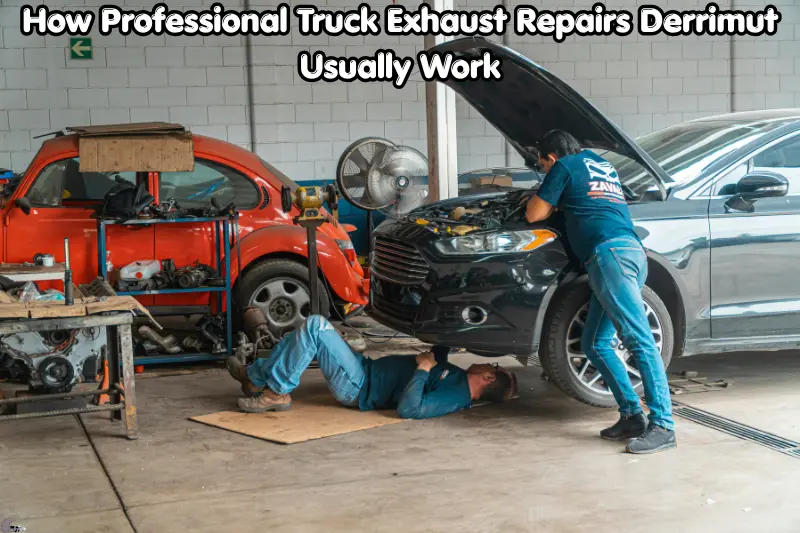
A proper repair should begin with diagnosis rather than immediately replacing parts.
Step 1: Visual Inspection
The mechanic checks pipes, joints, brackets, hangers, mufflers, heat shields, sensors, and visible emissions components.
Step 2: Listen for Abnormal Noise
The truck may be inspected for unusual sounds that can help identify leaks, loose components, or damaged silencing equipment.
Step 3: Check for Exhaust Leaks
The mechanic identifies whether gases are escaping from pipes, joints, flanges, gaskets, or other areas.
Step 4: Inspect Mounting and Clearance
The exhaust should be securely mounted and should not interfere with steering, suspension, brakes, fuel-system components, or other vehicle parts.
Step 5: Scan Electronic Systems
Modern trucks may require electronic diagnostics to identify faults affecting emissions components, sensors, or engine management.
Step 6: Repair or Replace Damaged Components
Depending on the condition, the repair may involve replacing a gasket, clamp, bracket, pipe, flexible section, muffler, sensor, or another component.
Step 7: Final Inspection
After repairs, the system should be checked again for leaks, secure mounting, clearance, correct routing, and proper operation.
Repair or Replace: Which Is Better?
The right option depends on the condition and location of the damage.
| Situation | Possible approach |
|---|---|
| Loose clamp | Tighten or replace |
| Damaged bracket | Replace mounting hardware |
| Minor gasket failure | Replace gasket |
| Small repairable pipe damage | Repair where appropriate |
| Severely corroded pipe | Replace |
| Damaged muffler | Repair or replace depending on condition |
| Failed sensor | Diagnose and replace if required |
| DPF/SCR fault | Professional diagnostic assessment |
A cheap repair is not always the best repair. If a pipe is heavily corroded, welding one small section may provide only a temporary solution. A qualified mechanic can assess the overall condition and recommend the most practical option.
Benefits of Timely Exhaust Repairs
Better Vehicle Reliability
Fixing exhaust defects early can reduce the chance of a small issue developing into a larger failure.
Reduced Downtime
For commercial trucks, unexpected downtime can affect delivery schedules, fleet availability, and operating costs.
Improved Noise Control
Repairing damaged pipes, mufflers, and mounting components can restore normal exhaust noise.
Protection of Nearby Components
Exhaust systems generate substantial heat. Correct routing, mounting, and heat protection help reduce unwanted heat exposure.
Better Compliance Management
Maintaining the exhaust system helps operators address vehicle-standard requirements. NHVR guidance states that heavy vehicles must comply with applicable Australian Design Rules and vehicle standards.
How to Choose a Truck Exhaust Repairs Derrimut Service in Derrimut

Choosing the right repair provider is important because heavy-truck exhaust systems can be more complex than passenger-car systems.
Consider the following:
Experience With Heavy Vehicles
Look for a mechanic or workshop experienced with trucks, diesel engines, and commercial vehicles.
Diagnostic Capability
Modern trucks may require electronic diagnostics in addition to physical inspection.
Quality Replacement Parts
Ask what type of components will be used and whether they are appropriate for the truck’s make and model.
Clear Repair Explanation
A professional provider should explain the fault, recommended repair, and any important limitations.
Safety-Focused Repairs
The repair should address secure mounting, leaks, heat protection, clearance, and correct exhaust routing.
Maintenance Records
For fleet operators, keeping repair and inspection records can make ongoing maintenance easier to manage. NHVR guidance also recommends systematic maintenance, fault records, and timely responses to reported defects.
A suitable provider for truck exhaust repairs Derrimut should understand the demands of heavy-duty diesel vehicles and commercial fleets. Before approving a repair, ask the mechanic to explain the identified fault, recommended solution, replacement components, and any related issues that should be inspected. This approach helps ensure that the repair addresses the underlying problem rather than only treating the visible symptom.
Preventive Exhaust Maintenance Tips
Preventive maintenance can help identify exhaust problems before they cause major disruption.
Use these practical habits:
- Inspect the exhaust during routine servicing.
- Look for cracks, corrosion, soot, and loose components.
- Check brackets, clamps, and hangers.
- Pay attention to new exhaust noises.
- Investigate warning lights promptly.
- Keep emissions-system components maintained according to manufacturer recommendations.
- Avoid unauthorised exhaust modifications.
- Record recurring exhaust problems to identify patterns.
- Inspect trucks after significant impacts or rough-road operation.
- Have serious defects assessed by a qualified mechanic before continued operation.
Regular maintenance is one of the simplest ways to reduce the need for unexpected truck exhaust repairs Derrimut. During routine servicing, the exhaust system should be checked for corrosion, cracks, loose fittings, damaged hangers, soot marks, and unusual movement. Finding these warning signs early can help truck owners plan repairs instead of dealing with an unexpected exhaust failure during normal operations.
Daily checks are also valuable. NHVR recommends that heavy vehicle operators and drivers undertake daily safety checks before using a vehicle on the road.
Common Mistakes to Avoid
Ignoring Small Exhaust Noises
A small rattle or ticking noise may indicate a loose or damaged component. Waiting until the exhaust becomes extremely loud can make the repair more complicated.
Replacing Parts Without Diagnosis
A warning light does not automatically mean the DPF, catalytic component, or another expensive part needs replacement. Proper diagnosis should identify the actual cause.
Using Poor-Quality Components
Cheap parts may not provide the required durability or compatibility for a heavy-duty application.
Ignoring Mounting Problems
Replacing a broken pipe without fixing the bracket or hanger that caused excessive movement may result in another failure.
Unapproved Exhaust Modifications
Changing the exhaust system can affect noise and emissions compliance. NHVR’s vehicle inspection guidance notes that modifications to engine, fuel, air-intake, or exhaust systems can affect compliance and may require testing.
Continuing to Drive With a Serious Defect
If an exhaust component is loose, damaged, leaking heavily, or creating a safety concern, the vehicle should be assessed rather than simply continuing normal operation.
For complete heavy vehicle maintenance, explore our truck repairs services and learn more about truck servicing to keep your vehicle reliable. You can also check our mobile truck repairs and diesel mechanic resources for additional maintenance solutions.
Truck operators should also follow applicable heavy vehicle safety and compliance requirements. For official information about vehicle standards, inspections, and heavy vehicle compliance, visit the National Heavy Vehicle Regulator (NHVR).
When Should You Get Truck Exhaust Repairs Derrimut Repairs?
You should arrange an inspection when you notice a new exhaust noise, visible damage, soot around a joint, an exhaust smell, a warning light, excessive smoke, or a loose exhaust component.
For commercial operators, arranging truck exhaust repairs Derrimut as soon as a problem appears can help prevent further damage. Exhaust leaks, cracked pipes, loose brackets, and damaged mufflers can become more serious when a truck continues to operate under heavy loads. Early inspection helps identify the actual fault and allows the appropriate repair to be completed before the problem affects other components.
Do not wait for a complete exhaust failure before arranging an inspection. Early diagnosis can help identify whether the issue is limited to a clamp or gasket or whether a larger component requires replacement.
For businesses operating several trucks, scheduled inspections are especially useful because defects can be identified during planned maintenance instead of during an urgent roadside situation.
Exhaust Repairs and Heavy Vehicle Compliance
Exhaust repairs should consider applicable vehicle standards, not only mechanical performance.
The NHVR’s current inspection material covers exhaust leaks, secure mounting, silencing devices, exhaust positioning, component clearance, heat protection, and emissions-related equipment.
For example, an exhaust component should not interfere with important vehicle systems such as steering, suspension, braking, or fuel components. Emissions-control equipment should also not be improperly bypassed or removed.
Operators should confirm the requirements that apply to their particular vehicle, modification, and jurisdiction.
Frequently Asked Questions
What are the most common Truck exhaust repairs Derrimut problems?
Common Truck exhaust repairs Derrimut problems include leaks, cracked pipes, damaged mufflers, loose brackets, broken hangers, faulty sensors, and issues involving emissions-control equipment such as DPF or SCR components. The correct repair depends on the truck’s design and the actual cause identified during inspection and diagnosis.
How do I know if my truck has an exhaust leak?
Common warning signs include hissing or ticking sounds, unusual exhaust noise, visible black soot around joints, exhaust smells, and sometimes reduced performance. A professional inspection can locate the leak and determine whether the problem involves a gasket, pipe, flange, flexible joint, muffler, or another component.
Can a damaged Truck exhaust repairs Derrimut be repaired instead of replaced?
Sometimes, yes. A mechanic may be able to repair a suitable section, replace a gasket, clamp, bracket, or flexible connection. However, severely corroded, cracked, or structurally damaged components may be safer and more economical to replace. The decision should be based on the component’s condition and application.
Are exhaust modifications allowed on heavy trucks?
Exhaust modifications may be subject to vehicle standards, noise requirements, emissions requirements, and modification rules. The NHVR notes that changes to exhaust systems can affect compliance. Before modifying a heavy vehicle exhaust, operators should check the applicable requirements and obtain professional advice where necessary.
How often should a Truck exhaust repairs Derrimut system be inspected?
There is no single inspection interval suitable for every truck. The best schedule depends on the manufacturer’s maintenance recommendations, vehicle age, operating conditions, mileage, load, and fleet use. In addition to scheduled servicing, drivers should conduct appropriate daily checks and report unusual noises, leaks, damage, or warning lights promptly.
When to Book Truck Exhaust Repairs Derrimut
When an exhaust problem appears, professional truck exhaust repairs Derrimut can help restore the condition of the exhaust system and reduce the risk of further problems. Truck operators should not ignore unusual noise, exhaust smells, visible soot, loose components, or warning lights. A proper inspection can determine whether a simple adjustment, component replacement, or more detailed diagnostic work is required.
Conclusion
Truck exhaust repairs Derrimut are an important part of maintaining reliable, safe, and compliant heavy vehicles. Exhaust problems can range from simple loose clamps and damaged brackets to more complex DPF, SCR, sensor, or emissions-system faults.
The most important step is accurate diagnosis. Look for warning signs such as unusual noise, exhaust smells, soot, visible cracks, excessive smoke, warning lights, or loose components. Addressing these issues early can help reduce downtime and prevent a minor defect from becoming a larger mechanical problem.
For truck operators, regular servicing, daily checks, quality replacement components, and professional repairs provide a practical approach to exhaust-system maintenance.
If your truck is showing signs of an exhaust problem, arrange an inspection with a suitably qualified heavy-vehicle mechanic and have the complete system checked rather than replacing parts without diagnosis.
