

Introduction
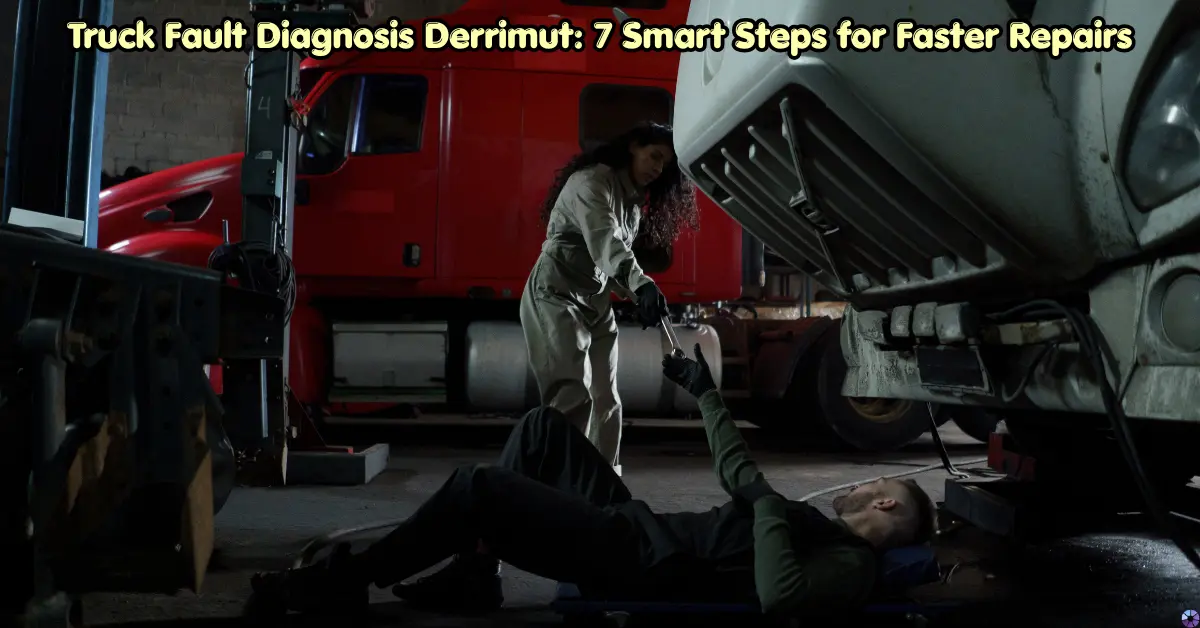
Truck fault diagnosis Derrimut is an important process for identifying mechanical, electrical, electronic, and performance problems before they become expensive or dangerous failures. Modern trucks rely on engine control modules, sensors, electronic systems, air brakes, transmissions, emissions equipment, and many other interconnected components, so finding the real cause of a fault requires more than simply replacing a damaged part.
This guide explains how professional truck fault diagnosis Derrimut works, which symptoms should not be ignored, how diagnostic tools help technicians, what operators can check safely, and how structured diagnosis can reduce unnecessary repairs. It also covers preventive maintenance, common diagnostic mistakes, and practical considerations for truck operators and fleet managers.
What Is Truck Fault Diagnosis Derrimut?
truck fault diagnosis Derrimut is the systematic process of identifying the underlying cause of a truck problem. A technician normally starts with the driver’s symptoms, warning lights, fault codes, vehicle history, and physical inspection before testing individual components.
For example, an engine warning light does not automatically mean the engine itself is damaged. The problem could involve a sensor, wiring connection, fuel system, air intake, exhaust after-treatment system, or another component monitored by the vehicle’s electronic control system.
A proper diagnosis aims to answer three questions:
- What is the truck doing incorrectly?
- What component or system is causing the problem?
- What repair is required to restore safe and reliable operation?
This approach is more reliable than replacing parts based only on a fault code or symptom.
Why Truck Fault Diagnosis Derrimut Matters
Truck problems can quickly affect delivery schedules, operating costs, driver safety, and vehicle availability. A small warning sign can sometimes develop into a larger mechanical failure if it is ignored.
For operators looking for truck fault diagnosis Derrimut services, a structured diagnostic process can help identify problems before unnecessary parts are installed.
The main benefits include:
- Faster identification of faults
- Reduced unnecessary parts replacement
- Better repair planning
- Improved vehicle reliability
- Reduced unexpected downtime
- Better maintenance records
- Improved safety
- More informed repair decisions
The National Heavy Vehicle Regulator (NHVR) states that heavy vehicles need to be maintained so they remain safe and roadworthy. Its guidance also recommends systems for recording faults, responding to reported defects, and ensuring unsafe vehicles are not operated until problems are rectified.
Common Truck Problems That Require Diagnosis
Truck faults can appear in many forms. The visible symptom is not always the actual cause, which is why diagnosis should consider the complete vehicle system.
Engine Performance Problems
Engine-related symptoms may include:
- Loss of power
- Rough running
- Excessive smoke
- Difficult starting
- Poor acceleration
- Unusual engine noise
- Increased fuel consumption
- Engine warning lights
- Limp-home or reduced-power operation
A technician may inspect fuel delivery, air intake, turbocharger operation, sensors, electrical connections, cooling systems, and electronic control data depending on the symptoms.
Transmission Faults
Transmission problems can affect vehicle performance and drivability. Common signs include:
- Delayed gear changes
- Harsh shifting
- Gear slipping
- Failure to select a gear
- Unusual transmission noises
- Warning lights
- Transmission overheating
Electronic diagnostic equipment can help identify stored transmission fault codes, but the code should be interpreted together with physical inspection and operating symptoms.
Electrical and Starting Faults
Electrical faults can be particularly difficult because one damaged wire, loose connection, weak battery, or faulty sensor can affect several systems.
Typical symptoms include:
- Slow or failed starting
- Intermittent electrical operation
- Warning lights
- Blown fuses
- Battery discharge
- Lighting problems
- Sensor-related fault codes
- Communication errors between control modules
Technicians may use multimeters, test equipment, wiring diagrams, scan tools, and visual inspections to locate the problem.
Brake and Air-System Problems
Brake-related faults require immediate attention because braking performance is directly connected to vehicle safety.
Potential warning signs include:
- Reduced braking performance
- Air pressure problems
- Air leaks
- Brake warning indicators
- Uneven braking
- Abnormal brake noise
- Excessive component wear
A truck with a potentially unsafe brake defect should not simply be kept in service while waiting for a convenient repair time. The appropriate response depends on the severity of the defect and applicable requirements.
Cooling-System Faults
Overheating can cause serious engine damage if the underlying problem is ignored.
Possible causes include:
- Low coolant
- Cooling-system leaks
- Damaged hoses
- Thermostat problems
- Radiator restrictions
- Fan-system faults
- Water-pump problems
- Sensor or control-system issues
The correct diagnosis should determine why the truck is overheating instead of simply adding coolant and returning the vehicle to operation.
How Professional Truck Fault Diagnosis Derrimut Works
A professional diagnosis normally follows a logical sequence. The exact procedure varies according to the truck make, model, engine, transmission, symptoms, and diagnostic information available.
Step 1: Gather Driver Information
The driver can provide valuable information before testing begins.
A technician may ask:
- When did the problem start?
- Does it happen when the engine is cold or hot?
- Does the fault appear during acceleration?
- Is the problem constant or intermittent?
- Did a warning light appear?
- Was the truck recently serviced?
- Did the problem occur after loading, towing, or long-distance driving?
These details can help narrow the diagnostic direction.
Step 2: Perform a Visual Inspection
The technician should inspect the vehicle before immediately replacing components.
This can reveal:
- Damaged wiring
- Loose connectors
- Oil or coolant leaks
- Broken hoses
- Damaged belts
- Corrosion
- Loose components
- Physical damage
- Obvious signs of overheating
A visual inspection is simple but valuable because not every fault requires advanced electronic testing.
Step 3: Scan the Vehicle
Modern trucks contain electronic control modules that monitor many operating systems.
A compatible diagnostic scan tool can retrieve information such as:
- Diagnostic trouble codes
- Live sensor data
- System status
- Stored fault information
- Module information
- Certain operating parameters
However, a diagnostic trouble code should be treated as evidence rather than automatic proof that a particular component has failed.
For example, a sensor-related code may be caused by the sensor itself, damaged wiring, poor electrical supply, a connector problem, or another underlying condition.
Step 4: Test the Suspected System
After identifying likely causes, the technician performs targeted tests.
Depending on the fault, this could involve checking:
- Electrical voltage
- Resistance
- Continuity
- Fuel pressure
- Air pressure
- Temperature
- Sensor signals
- Battery condition
- Charging-system performance
- Mechanical condition
Targeted testing helps separate the actual cause from secondary symptoms.
Step 5: Confirm the Root Cause
Before replacing an expensive component, the technician should confirm that the suspected component is actually responsible for the fault.
This is one of the most important parts of diagnosis.
For example, if a truck reports an electrical fault, replacing the control module immediately may be unnecessary if testing later reveals a damaged connector or poor ground connection.
Step 6: Repair and Re-Test
After the repair, the vehicle should be checked again to confirm that the original problem has been resolved.
Depending on the fault, this may include:
- Clearing relevant fault codes
- Starting the engine
- Checking live data
- Testing the affected system
- Road testing where appropriate
- Checking for returning fault codes
- Inspecting for leaks or abnormal operation
A repair should not be considered complete simply because a warning light has disappeared.
Diagnostic Tools Used for Truck Faults
Modern truck fault diagnosis Derrimut can involve several types of equipment.
Diagnostic Scan Tools
Scan tools communicate with vehicle control modules and can provide electronic fault information. Advanced equipment may also display live data and support system-specific testing.
Multimeters
A digital multimeter can help technicians check voltage, resistance, and continuity during electrical diagnosis.
Pressure Testing Equipment
Pressure testing can be useful for systems such as air brakes, cooling systems, and fuel systems, depending on the vehicle and fault.
Manufacturer Information
Manufacturer specifications, wiring diagrams, service procedures, and component testing information can be important when diagnosing complex faults.
The NHVR’s National Heavy Vehicle Inspection Manual explains that heavy vehicle standards must be considered alongside manufacturer specifications and provides practical information relating to wear, damage, and important vehicle systems.
Symptoms vs Root Causes
One of the biggest challenges in truck diagnosis is separating the symptom from the cause.
| Symptom | Possible Areas to Investigate |
|---|---|
| Loss of power | Fuel, air intake, turbocharger, sensors, exhaust system |
| Hard starting | Battery, starter, fuel system, sensors, electrical supply |
| Warning light | Sensor, wiring, control module, mechanical or emissions system |
| Overheating | Cooling system, thermostat, fan, water pump, coolant leak |
| Gear shifting problems | Transmission, sensors, fluid, electrical or control system |
| Battery repeatedly going flat | Battery, alternator, wiring, parasitic electrical load |
This table is only a diagnostic starting point. The same symptom can have multiple causes, and proper testing is required before deciding what needs replacement.
Benefits of Early Truck Fault Diagnosis Derrimut
Early diagnosis can help operators make better maintenance decisions.
Reduced Downtime
Finding a developing fault early may prevent a truck from becoming unavailable during a delivery run.
Better Repair Planning
A confirmed diagnosis helps the operator understand what parts, labour, and time may be required.
Fewer Unnecessary Parts
Replacing parts based only on assumptions can increase repair costs. Testing allows technicians to focus on the actual cause.
Improved Fleet Maintenance
When diagnostic findings are recorded, recurring problems can become easier to identify across a fleet.
Better Safety Management
Mechanical problems involving brakes, steering, tyres, suspension, lighting, or other safety-related systems should be treated seriously. NHVR guidance emphasizes maintaining heavy vehicles in a safe and roadworthy condition and responding appropriately to identified defects.
Truck Fault Diagnosis Derrimut and SaaS-Based Fleet Management
For a SaaS-focused fleet operation, fault diagnosis does not have to remain an isolated workshop activity. Digital fleet management platforms can help organize maintenance information, service schedules, inspection records, fault reports, and repair histories.
A useful maintenance workflow can include:
- Driver reports a symptom.
- The issue is recorded digitally.
- The vehicle is assigned for inspection.
- Diagnostic findings are documented.
- The repair is approved.
- The repair is completed.
- The vehicle is re-tested.
- The maintenance record is updated.
This type of workflow can make it easier for fleet managers to track recurring problems and identify vehicles that require additional attention.
NHVR’s maintenance guidance also highlights the value of recording and reporting faults, defects, and maintenance history, while reviewing maintenance performance and recurring issues.
When Should You Seek Truck Fault Diagnosis Derrimut?
You should arrange professional diagnosis when a truck develops a warning light, repeated performance issue, abnormal noise, unusual smoke, starting problem, transmission issue, overheating condition, or other unexplained change in operation.
Diagnosis is particularly important when:
- A warning light repeatedly returns
- The truck enters reduced-power mode
- The same fault keeps appearing
- Fuel consumption changes noticeably
- The vehicle becomes difficult to start
- Braking performance changes
- Air pressure behaves abnormally
- The engine overheats
- A fault occurs intermittently
- The truck develops unusual vibration or noise
If the vehicle appears unsafe, it should not simply be driven to a workshop without considering the severity of the problem. NHVR explains that serious defects may require immediate repair and that an unsafe vehicle may need to be carried or towed rather than driven.
Common Mistakes During Truck Diagnosis
Replacing Parts Based Only on a Fault Code
A fault code identifies a monitored condition, not necessarily a failed component. Additional testing is often required.
Ignoring Intermittent Problems
A fault that disappears temporarily can still indicate an electrical, sensor, connection, or mechanical issue.
Skipping the Visual Inspection
Loose wires, damaged hoses, leaks, corrosion, and physical damage can sometimes be identified without advanced equipment.
Clearing Codes Without Fixing the Cause
Deleting fault codes does not repair the underlying problem. If the fault remains, the warning or code may return.
Ignoring Maintenance History
Previous repairs can provide important clues, especially when the same fault has appeared before.
Continuing to Operate an Unsafe Truck
A vehicle should not remain in service simply because a repair is inconvenient. Safety-related defects require appropriate action.
Practical Tips for Truck Operators
Drivers and fleet managers can make diagnosis easier by recording useful information when a problem occurs.
Record:
- Warning-light information
- Exact symptoms
- Approximate time of occurrence
- Engine temperature
- Driving conditions
- Load conditions
- Recent repairs
- Unusual sounds or smells
- Whether the fault disappears after restarting
For fleet operators, maintaining accurate service and repair records can also reveal patterns. If the same component repeatedly fails, the correct solution may involve investigating an underlying cause rather than repeatedly replacing the component.
Internal Linking for Better Fleet Maintenance Content
Professional truck fault diagnosis Derrimut services can help identify mechanical and electronic problems before they become major failures. If you need related truck services, learn more about truck mechanic services, mobile truck repairs, diesel mechanic services, and truck servicing to understand your available maintenance and repair options.
Proper heavy vehicle maintenance is essential for road safety and compliance. The National Heavy Vehicle Regulator (NHVR) provides guidance on heavy vehicle inspection requirements, vehicle standards, defects, and roadworthiness. Reviewing official NHVR information can help operators better understand their maintenance responsibilities.
How to Choose a Truck Diagnostic Service in Derrimut
When comparing truck diagnostic services, look beyond the simple promise of “computer scanning.” Good diagnosis should involve inspection, testing, interpretation of fault information, and confirmation of the repair.
Consider asking:
- Does the technician work with heavy vehicles?
- Can they diagnose electronic and mechanical faults?
- Do they use suitable diagnostic equipment?
- Will they explain the diagnosis before major repairs?
- Do they document the fault and repair?
- Can they handle the specific truck make or system?
- Do they provide appropriate testing after the repair?
The right choice depends on the truck, fault, operating environment, and urgency of the repair.
The Role of Preventive Maintenance
Fault diagnosis is most effective when combined with preventive maintenance. Regular inspections can identify wear and developing problems before they become major failures.
A maintenance program may include checks of:
- Brakes
- Tyres
- Suspension
- Steering
- Engine fluids
- Cooling systems
- Batteries
- Belts and hoses
- Lights
- Electrical connections
- Air systems
- Trailer connections
The NHVR’s 2024 National Roadworthiness Survey inspected 9,082 vehicles and combinations across Australia, making it the largest in-depth health check of the country’s heavy vehicle fleet at that time. The survey was designed to help identify mechanical condition and areas where maintenance and safety practices could be improved.
Frequently Asked Questions
What is truck fault diagnosis Derrimut?
Truck fault diagnosis Derrimut refers to the process of identifying the cause of a truck’s mechanical, electrical, electronic, transmission, braking, or performance problem in the Derrimut area. Diagnosis may involve driver information, visual inspection, electronic scanning, component testing, and confirmation of the repair before the truck returns to normal operation.
Can a diagnostic scan find every truck problem?
No. A scan tool is useful for electronic faults and control-module information, but it cannot automatically identify every mechanical or physical problem. Issues such as damaged hoses, worn components, leaks, poor connections, and certain mechanical failures may require visual inspection and physical testing alongside electronic diagnosis.
How long does truck fault diagnosis Derrimut take?
The time depends on the truck and the complexity of the fault. A straightforward warning-code issue may be identified relatively quickly, while an intermittent electrical problem or fault involving multiple systems can require more testing. A professional technician should diagnose the problem before giving a reliable repair timeframe.
Should I keep driving if the truck warning light appears?
It depends on the warning and the vehicle’s behaviour. Some warnings may indicate a condition requiring prompt inspection, while signs of serious mechanical or safety problems require immediate attention. If the truck is unsafe, continuing to drive can increase risk. Operators should follow the vehicle manufacturer’s guidance and obtain professional assessment.
Why is proper diagnosis better than replacing parts?
Proper diagnosis helps determine why a fault is occurring before components are replaced. This can reduce unnecessary parts costs and prevent repeated repairs when the original cause is elsewhere. Testing also provides a stronger basis for deciding whether a sensor, wiring connection, mechanical component, or control system actually requires repair.
Conclusion
Truck fault diagnosis Derrimut is about finding the real cause of a truck problem rather than simply reacting to a warning light or replacing parts based on assumptions. A reliable process combines driver information, visual inspection, diagnostic scanning, targeted testing, root-cause identification, repair, and re-testing.
For truck operators, early diagnosis can support better maintenance planning, reduce avoidable downtime, and improve confidence in repair decisions. Safety-related faults should always be treated seriously, and an unsafe heavy vehicle should not remain in operation until the necessary corrective action has been completed.
The practical next step is simple: document the truck’s symptoms, warning codes, recent repair history, and operating conditions, then arrange an appropriate inspection and diagnosis before approving major component replacement.
