

Introduction
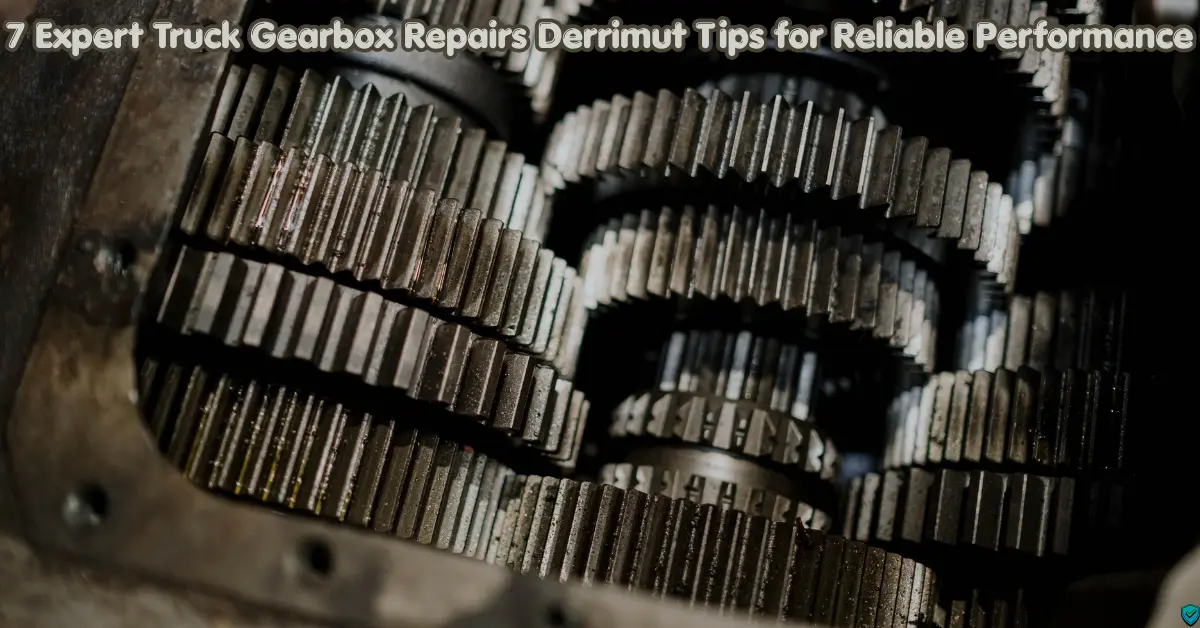
Truck gearbox repairs Derrimut can help restore shifting performance, reduce the risk of unexpected breakdowns, and keep commercial vehicles operating safely. A truck gearbox transfers engine power through the transmission system and allows the vehicle to move at different speeds and loads. When gears become difficult to select, the transmission starts making unusual noises, or the truck slips out of gear, professional inspection should not be delayed.
For businesses searching for truck gearbox repairs Derrimut, early diagnosis is one of the most practical ways to avoid unnecessary downtime. A professional inspection can identify whether the issue is inside the gearbox or connected to the clutch, driveline, lubrication system, or transmission controls.
For fleet operators, owner-drivers, and businesses operating heavy vehicles around Derrimut, gearbox problems can become expensive if a small fault develops into major internal damage. Early diagnosis can help identify worn components, lubrication problems, clutch-related issues, hydraulic faults, or electronic transmission problems before they become more serious.
This guide explains the common signs of gearbox trouble, how professional repairs work, what affects repair costs, how to maintain a truck transmission, and what drivers should do when a gearbox problem appears. It also explains how to choose a suitable repair service and when gearbox replacement may make more sense than repairing individual components.
What Are Truck gearbox repairs Derrimut?
Truck Gearbox Repairs Derrimut involve inspecting, diagnosing, servicing, rebuilding, or replacing components within a truck’s transmission system. Depending on the fault, a repair may involve adjusting the transmission, replacing seals or bearings, repairing synchronisers, replacing damaged gears, correcting lubrication problems, or rebuilding the gearbox.
A gearbox is exposed to substantial mechanical loads because it transfers engine torque to the driveline. Heavy loads, frequent gear changes, poor lubrication, incorrect operation, and long operating hours can all contribute to wear.
Not every transmission problem means the entire gearbox needs replacement. A qualified technician should first determine the actual source of the problem. In some cases, a relatively small component can cause symptoms that appear to be a major gearbox failure.
Choosing professional truck gearbox repairs Derrimut can also help operators understand whether a repair, rebuild, or replacement gearbox is the most suitable option. The right solution depends on the truck’s condition, transmission type, operating requirements, and extent of damage.
Common Signs Your Truck Gearbox Repairs Derrimut Needs Attention
The most important warning signs are difficult gear selection, grinding noises, gear slipping, fluid leaks, unusual vibration, burning smells, and delayed engagement. These symptoms should be investigated before continued operation causes additional damage.
Difficulty Changing Gears
If a truck becomes difficult to shift into first, reverse, or another gear, the problem may involve the gearbox, clutch, linkage, hydraulic system, or transmission controls. Drivers should not repeatedly force the gear lever because excessive force can worsen mechanical damage.
Grinding or Whining Noises
Grinding during gear changes can indicate worn synchronisers or other transmission-related problems. A whining or humming sound may also indicate bearing, gear, lubrication, or driveline issues.
Noise alone does not identify the exact failed component. Professional diagnosis is important because similar sounds can come from different parts of the driveline.
Gear Slipping
A truck that unexpectedly comes out of gear is a serious warning sign. Gear slipping can affect vehicle control and may indicate internal wear, damaged components, incorrect adjustment, or another transmission fault.
The vehicle should be inspected promptly rather than continuing to operate until the gearbox completely fails.
Transmission Fluid Leaks
Fluid underneath a truck can indicate a damaged seal, gasket, housing, drain plug, or other component. Transmission fluid provides lubrication and helps protect internal parts from excessive friction and heat.
Driving with an inadequate fluid level can accelerate wear and potentially turn a manageable repair into a major rebuild.
Burning Smell or Excessive Heat
A burning smell may indicate excessive friction, overheating, contaminated lubricant, or a clutch-related problem. If the smell is accompanied by unusual shifting or transmission noise, the truck should be inspected as soon as practical.
Unusual Vibration
Vibration during acceleration or gear changes can have several causes, including transmission, clutch, propeller shaft, universal joint, engine, or driveline problems. A technician should inspect the complete system instead of automatically assuming the gearbox is responsible.
What Causes Truck Gearbox Repairs Derrimut Problems?
Truck gearbox repairs Derrimut problems commonly result from wear, inadequate lubrication, excessive loading, incorrect shifting, overheating, damaged components, and neglected maintenance. The exact cause depends on the truck model, transmission type, operating conditions, and service history.
Heavy Loads and Harsh Operating Conditions
Commercial trucks frequently carry substantial loads and may operate in stop-start traffic, on steep roads, or for extended periods. These conditions increase demands on the clutch, gearbox, driveline, and cooling systems.
Operating a vehicle beyond its recommended specifications can increase mechanical stress and accelerate component wear.
Poor or Incorrect Lubrication
Gearbox oil reduces friction and helps protect gears and bearings. Using the wrong lubricant, operating with insufficient fluid, or failing to replace contaminated fluid can contribute to premature wear.
Always follow the truck manufacturer’s specifications for lubricant type, level, inspection, and service intervals.
Incorrect Gear Selection
Aggressive shifting, unnecessary clutch abuse, riding the clutch, and selecting unsuitable gears for road or load conditions can increase transmission stress. Driver training can therefore play an important role in preventing avoidable gearbox damage.
Normal Component Wear
Gear teeth, bearings, synchronisers, seals, shafts, and other components can wear over time. High-mileage trucks and vehicles used continuously in commercial operations may require more frequent inspections.
Clutch or Driveline Problems
A gearbox may appear to be faulty when the actual problem originates elsewhere. A clutch that does not fully disengage can make gear selection difficult, while worn driveline components can create noises and vibration.
This is why a complete diagnostic inspection is more reliable than replacing gearbox components based only on symptoms.
How Professional Truck Gearbox Repairs Derrimut Work
Professional gearbox repairs usually begin with diagnosis, followed by inspection, repair planning, component replacement or rebuilding, testing, and final verification. The exact process depends on the transmission and the severity of the fault.
Step 1: Initial Inspection
During truck gearbox repairs Derrimut, this initial inspection is important because similar symptoms can have different causes. Identifying the source before removing the gearbox can help prevent unnecessary component replacement and provide a clearer repair estimate.
The technician discusses the symptoms with the driver or fleet manager and checks the vehicle for visible signs of damage, leaks, unusual noises, and fluid problems.
Step 2: Diagnostic Testing
The repairer determines whether the fault is mechanical, hydraulic, electronic, clutch-related, or connected to another driveline component. Modern trucks may also require electronic diagnostic equipment when transmission control systems are involved.
Step 3: Gearbox Removal and Inspection
If internal damage is suspected, the gearbox may need to be removed and dismantled. Components can then be inspected for wear, cracks, damaged teeth, bearing problems, seal failure, and other defects.
Step 4: Repair or Rebuild
Depending on the condition of the gearbox, the technician may replace individual components or rebuild the transmission using suitable replacement parts.
A rebuild can be appropriate when the main housing and other major components remain serviceable. A replacement unit may be considered when damage is extensive or repair is not economically practical.
Step 5: Reinstallation and Testing
After the repair, the gearbox is reinstalled and the vehicle is tested. Gear selection, clutch operation, leaks, unusual sounds, and overall transmission performance should be checked before the truck returns to normal service.
Benefits of Professional Gearbox Repairs
Professional repairs can provide several practical benefits for commercial vehicles.
Reduced Downtime
A proper diagnosis helps identify the actual problem and can reduce unnecessary repair work. Faster troubleshooting can be especially valuable for businesses that rely on trucks for deliveries, freight, construction, or logistics.
Improved Reliability
Replacing worn components and correcting the underlying fault can restore more predictable transmission performance.
Better Operating Efficiency
A correctly functioning transmission allows the engine’s power to be transferred through the driveline as intended. Poor shifting or mechanical problems can affect vehicle operation and may contribute to inefficient performance.
Improved Safety
Transmission faults can create unexpected shifting problems or loss of normal driveline performance. Prompt repairs can reduce the risk associated with operating a truck with a serious mechanical fault.
Protection Against Larger Repairs
Early attention to leaks, unusual noises, and shifting problems can help prevent additional damage to related components.
Repair vs Gearbox Replacement: Which Is Better?
Repair is often suitable when the gearbox has limited or identifiable damage and the main components remain serviceable. Replacement can be more appropriate when there is extensive internal damage, severe housing damage, repeated failures, or when rebuilding is not economically sensible.
| Option | Best suited for | Main consideration |
|---|---|---|
| Component repair | Specific damaged parts | Requires accurate diagnosis |
| Gearbox rebuild | Multiple worn internal components | Quality of parts and workmanship matter |
| Replacement gearbox | Extensive or uneconomical damage | Unit compatibility and overall cost |
| Used gearbox | Budget-conscious repairs | Condition and history should be verified |
| The right choice depends on the truck model, transmission type, damage, parts availability, expected future use, and total repair cost. A reputable technician should explain the options before major work begins. |
How Much Do Truck Gearbox Repairs Derrimut Cost?
The cost of Truck gearbox repairs Derrimut varies significantly because different transmission systems require different parts and labour. Minor adjustments or seal replacement can cost considerably less than a complete gearbox rebuild or replacement.
Important cost factors include:
- Truck make and model
- Manual or automated transmission type
- Extent of internal damage
- Parts required
- Labour time
- Gearbox removal and installation requirements
- Availability of replacement components
- Whether a rebuild or replacement unit is selected
For an accurate estimate, the gearbox should be properly diagnosed first. Be cautious of a repair quote based only on a short description of symptoms because the actual damage may not be visible until the transmission is inspected.
The final price for truck gearbox repairs Derrimut should be based on the actual condition of the transmission rather than the symptom alone. A detailed inspection gives the repairer a better understanding of the parts, labour, and additional work that may be required.
How to Choose a Truck Gearbox Repair Service in Derrimut
Choosing the right repairer can make a major difference to repair quality, downtime, and long-term reliability.
When comparing truck gearbox repairs Derrimut providers, consider their experience with commercial vehicles, diagnostic equipment, repair capabilities, parts availability, warranty terms, and ability to communicate clearly about the work required.
Check Heavy-Vehicle Experience
Look for technicians who understand commercial trucks and heavy driveline systems rather than relying solely on general passenger-vehicle experience.
Ask About Diagnosis
A professional service should explain how the fault will be identified before major components are replaced.
Confirm Parts and Warranty Details
Ask whether replacement parts are new, remanufactured, or used and whether workmanship or parts are covered by a warranty.
Consider Fleet Requirements
Fleet operators should consider response times, repair capacity, communication, and the ability to handle recurring maintenance requirements.
Review the Complete Quote
A useful quote should clearly explain the expected work and major cost components. Ask questions if additional charges or recommended repairs are unclear.
Gearbox Maintenance Tips for Truck Owners
Regular maintenance can help identify transmission problems before they become major failures.
Check for Leaks
Inspect the area around the gearbox and driveline for signs of fluid leakage. A new leak should not be ignored.
Follow Manufacturer Service Requirements
Use the manufacturer’s recommended transmission lubricant and follow the specified service schedule.
Avoid Aggressive Shifting
Smooth gear changes reduce unnecessary mechanical stress and can help protect transmission components.
Monitor New Symptoms
Pay attention to changes in shifting, noise, vibration, smell, and fluid condition. Small changes can provide an early indication that inspection is needed.
Train Drivers Properly
Drivers should understand appropriate gear selection, clutch use, load limits, and safe operating practices. Consistent driving habits can help reduce unnecessary wear across the driveline.
Common Mistakes to Avoid
One common mistake is continuing to drive after a gearbox starts making unusual noises. A small fault may become more expensive if damaged components continue operating under load.
Another mistake is replacing gearbox parts without confirming the root cause. If the actual issue is the clutch, linkage, driveline, or electronic control system, gearbox replacement may not solve the problem.
Using an incorrect lubricant is another avoidable problem. Transmission oils are not universally interchangeable, so the manufacturer’s specifications should be followed.
Drivers should also avoid forcing a gear when selection becomes difficult. Excessive force can damage components and make diagnosis more complicated.
Safety and Heavy-Vehicle Compliance
Truck owners should treat transmission faults as mechanical safety issues rather than simply maintenance inconveniences. Heavy vehicles need to remain roadworthy and properly maintained.
For authoritative heavy-vehicle safety and regulatory information in Australia, operators can consult the National Heavy Vehicle Regulator (NHVR). Requirements can vary depending on the vehicle, operation, and jurisdiction, so operators should check the applicable rules for their circumstances.
When Should You Stop Driving?
A truck should be taken out of service when a gearbox problem creates an obvious safety risk or the vehicle can no longer operate normally. Serious warning signs include severe grinding, inability to select gears, repeated gear slipping, significant fluid loss, burning smells accompanied by overheating, or sudden driveline problems.
If the truck can be safely moved, it should be taken to a suitable repair facility. If it cannot be operated safely, professional roadside assistance or recovery may be necessary.
The priority should always be protecting the driver, other road users, the vehicle, and the load.
Internal Service Resources
For more information about truck gearbox repairs Derrimut, explore our related services including truck repairs, truck servicing, and diesel mechanic services. These resources can help truck owners understand regular maintenance, repair options, and ways to reduce unexpected vehicle downtime.
When arranging truck gearbox repairs Derrimut, vehicle operators should also consider applicable heavy-vehicle safety and maintenance requirements. The National Heavy Vehicle Regulator (NHVR) provides authoritative information about heavy-vehicle regulations, safety obligations, and roadworthiness requirements in Australia. Checking the relevant guidance can help operators maintain compliant and safely operated vehicles.
Frequently Asked Questions
1. What are the most common gearbox problems in trucks?
Common problems include difficult gear selection, grinding or whining noises, gear slipping, fluid leaks, vibration, overheating, and damaged internal components. The same symptom can have several possible causes, so a professional diagnosis is important before deciding whether the gearbox needs adjustment, repair, rebuilding, or replacement.
2. Can a truck gearbox repairs Derrimut be repaired instead of replaced?
Yes. Many gearbox faults can be repaired or rebuilt when the housing and major components remain suitable for continued use. A technician should inspect the transmission and determine the extent of damage before recommending replacement. Repair may be more economical when the problem involves specific worn or damaged components.
3. How can I prevent truck gearbox repairs Derrimut failure?
Follow the manufacturer’s maintenance schedule, use the correct transmission lubricant, check for leaks, avoid aggressive gear changes, use the clutch correctly, and investigate unusual noises or shifting problems early. Driver training and regular inspections are particularly useful for commercial fleets operating trucks for long hours.
4. Is gearbox oil important for truck transmission performance?
Yes. Proper lubrication helps reduce friction and protects gears, bearings, and other internal components. The correct lubricant and level are important because transmission systems have different specifications. Owners should follow the truck manufacturer’s requirements rather than choosing an oil solely because it is marketed for general automotive use.
5. How do I know whether my truck needs gearbox repair?
Difficulty changing gears, grinding, gear slipping, unusual vibration, fluid leaks, burning smells, and new transmission noises are important warning signs. These symptoms do not always mean the gearbox itself has failed, so the best approach is to arrange a professional inspection and identify the root cause before authorising major repairs.
Conclusion
Truck gearbox repairs Derrimut are an important part of keeping commercial vehicles reliable, safe, and productive. Problems such as difficult shifting, grinding noises, gear slipping, leaks, vibration, and overheating should not be ignored because continued operation can increase damage and downtime.
The best repair approach starts with accurate diagnosis. Depending on the condition of the transmission, the solution may involve a minor repair, component replacement, complete rebuild, or replacement gearbox. Maintenance, correct lubrication, smooth driving, and regular inspections can also help reduce avoidable transmission problems.For reliable truck gearbox repairs Derrimut, the most practical step is to arrange an inspection as soon as unusual shifting, grinding, leaking fluid, or other transmission warning signs appear. Early professional attention can help operators make a better repair decision and manage vehicle downtime.
If your truck is showing gearbox warning signs, arrange a professional inspection before the problem develops into a larger failure. A clear diagnosis and repair plan can help you make a practical decision based on the truck’s condition, operating requirements, and long-term value.
