

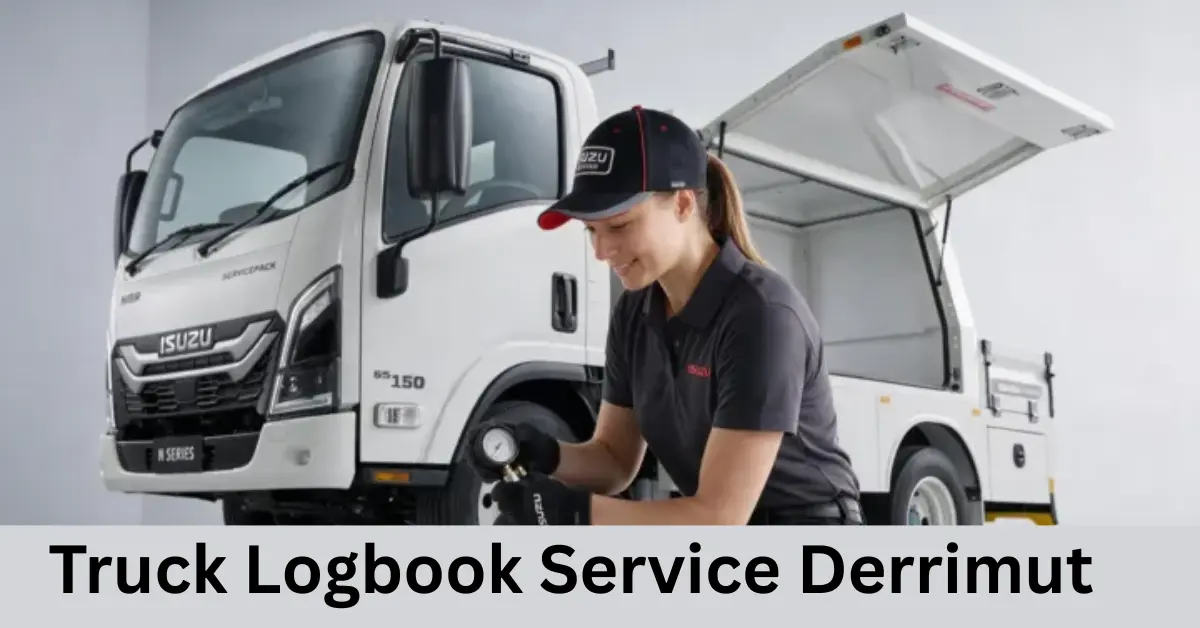
Truck logbook service Derrimut is an important part of keeping commercial trucks maintained, roadworthy and aligned with scheduled manufacturer servicing requirements. For truck owners, operators and fleet managers, a proper logbook service can help identify mechanical issues early while maintaining a clear record of completed maintenance.
This guide explains what a truck logbook service involves, why it matters, what technicians normally check, how the process works, how it differs from a National Driver Work Diary, and what to look for when choosing a truck servicing provider in Derrimut.
What Is a Truck Logbook Service?
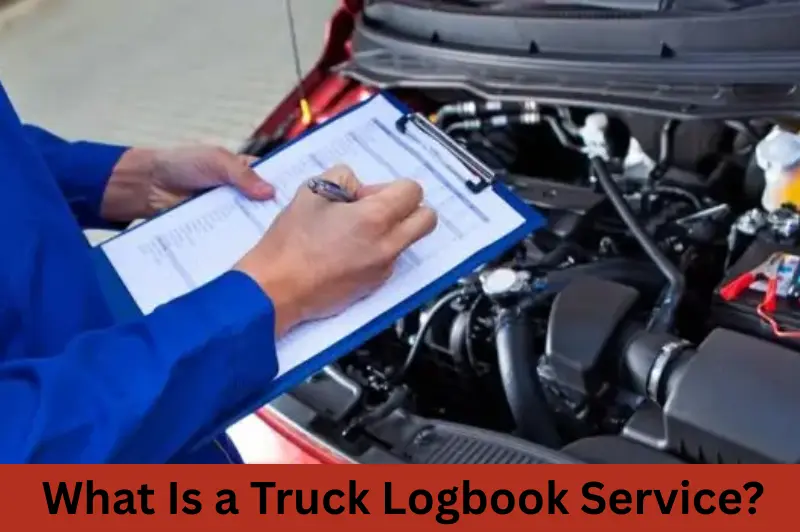
A truck logbook service is scheduled vehicle maintenance performed according to the truck manufacturer’s recommended service intervals and maintenance requirements.
Unlike a basic oil change, a logbook service is designed to cover a broader range of inspections, replacements, adjustments and checks specified for a particular truck model and operating conditions.
Depending on the truck, service interval and manufacturer requirements, a logbook service may include checks of:
- Engine oil and filters
- Cooling system
- Braking components
- Steering and suspension
- Transmission
- Differential and driveline components
- Tyres and wheels
- Belts and hoses
- Lights and electrical systems
- Fluid levels
- Safety-related components
- General vehicle condition
The exact service items vary by manufacturer, model, engine, kilometres travelled, operating conditions and service schedule.
For this reason, truck owners should not assume that every logbook service is identical.
Why Is Truck Logbook Servicing Important in Derrimut?
Regular truck servicing is important because commercial vehicles often operate for long periods, carry significant loads and may travel substantial distances.
A properly maintained truck can be easier to monitor, safer to operate and less likely to develop avoidable mechanical problems.
1. It Helps Maintain Scheduled Maintenance
Truck manufacturers establish maintenance schedules to help operators maintain vehicles over their service life.
Following the correct schedule provides a structured approach to maintenance rather than waiting until a major fault develops.
2. It Can Help Identify Problems Early
During a scheduled inspection, a technician may notice worn, damaged or deteriorating components before they become more serious problems.
For example, an inspection may identify:
- Uneven tyre wear
- Fluid leaks
- Worn brake components
- Damaged hoses
- Battery or electrical issues
- Suspension wear
- Steering problems
Early identification does not guarantee that a breakdown will be prevented, but it gives the operator an opportunity to investigate and address issues before they become more disruptive.
3. It Creates a Maintenance Record
A properly maintained service history provides useful information about the vehicle’s maintenance.
A clear record can show:
- When servicing was completed
- Vehicle kilometres or operating hours
- Work performed
- Parts replaced
- Inspection findings
- Recommended follow-up work
This information can be valuable for fleet management, future servicing and vehicle resale.
4. It Supports Better Fleet Planning
For businesses operating multiple trucks, scheduled servicing makes maintenance easier to plan.
Instead of responding only to unexpected breakdowns, fleet managers can organise maintenance around service intervals, vehicle usage and operational requirements.
Truck Logbook Service vs National Driver Work Diary
One of the most important distinctions is that truck logbook servicing and a driver work diary are not the same thing.
A truck logbook service relates to vehicle maintenance.
A National Driver Work Diary relates to driver work and rest records under applicable heavy vehicle fatigue requirements.
Transport Victoria states that drivers of fatigue-regulated heavy vehicles generally need to complete a work diary when driving 100 km or more from their home base or operating under Basic Fatigue Management or Advanced Fatigue Management, subject to applicable exemptions.
This means someone searching for “truck logbook service Derrimut” should first determine which type of service or logbook they actually need.
Quick Comparison
| Truck Logbook Service | National Driver Work Diary |
|---|---|
| Vehicle maintenance | Driver work/rest recording |
| Based on vehicle servicing requirements | Based on fatigue-management requirements |
| Records maintenance performed | Records work and rest periods |
| Usually handled by a truck workshop or technician | Completed by the driver/operator as required |
| Related to truck condition | Related to driver fatigue compliance |
Keeping these concepts separate can prevent misunderstandings when arranging truck maintenance or dealing with heavy vehicle compliance requirements.
What Does a Truck Logbook Service Include?
The exact checklist depends on the truck and manufacturer, but a professional service should be based on the vehicle’s applicable maintenance schedule rather than a generic checklist alone.
Engine and Lubrication System
Technicians may inspect engine oil condition and level, replace oil and filters where required, and check for visible leaks.
The engine compartment may also be inspected for damaged hoses, belts and other components.
Braking System
Brake inspections are particularly important for commercial vehicles.
Depending on the vehicle and service requirements, checks may cover braking components, air systems, brake lines and other relevant parts.
Any safety-critical issue should be assessed promptly rather than ignored until the next scheduled service.
Steering and Suspension
Steering and suspension components can affect handling, stability and tyre wear.
A service inspection may look for:
- Excessive wear
- Loose components
- Damage
- Leaks
- Abnormal movement
- Uneven tyre wear
Transmission and Driveline
The transmission, differential, driveshafts and related components may require inspection, lubrication or fluid replacement according to the manufacturer’s schedule.
The technician should follow the appropriate specifications for the particular truck.
Cooling System
Overheating can cause serious engine problems, so the cooling system deserves appropriate attention.
Checks may include coolant condition and level, hoses, connections, radiator condition and signs of leakage.
Tyres and Wheels
Tyres should be inspected for condition, damage and abnormal wear.
Wheel components may also be checked as part of the service, depending on the manufacturer’s requirements and workshop inspection procedure.
Electrical and Safety Systems
Lights, battery condition, electrical connections and other relevant systems may be inspected.
The technician may also identify faults that require further diagnostic testing.
How Does Truck Logbook Servicing Work?
A typical truck logbook service follows a structured process.
Step 1: Identify the Truck
The service provider needs accurate vehicle information, which may include:
- Make and model
- Model year
- Vehicle identification details
- Engine type
- Current odometer reading
- Previous service information
Providing accurate details helps the workshop identify the correct service requirements.
Step 2: Check the Service Schedule
The technician or service advisor should establish which service interval applies.
This may depend on kilometres, engine hours, time, operating conditions or other manufacturer requirements.
Step 3: Inspect the Vehicle
The technician carries out the required inspections and maintenance tasks.
Additional faults may also be identified during the inspection.
Step 4: Complete Required Maintenance
Depending on the scheduled service, this may include fluid replacement, filter replacement, lubrication, adjustments and other specified maintenance tasks.
Step 5: Record the Service
The completed maintenance should be recorded accurately in the relevant service documentation.
The record should clearly identify what was done rather than simply stating that the truck was “serviced.”
Step 6: Discuss Additional Repairs
If the inspection identifies work outside the scheduled service, the operator should be informed.
A useful workshop should distinguish between:
Scheduled maintenance: Work required under the service schedule.
Additional repairs: Work required because of wear, damage, faults or other findings.
This distinction helps truck owners understand what they are paying for.
Truck Logbook Service Derrimut is a reliable way to keep your commercial truck properly maintained and serviced. With Truck Logbook Service Derrimut, drivers and fleet owners can follow scheduled maintenance requirements and identify potential vehicle issues early. Choosing Truck Logbook Service Derrimut helps maintain accurate service records and supports better truck maintenance planning. For regular commercial vehicle care, Truck Logbook Service Derrimut can cover important inspections, fluids, filters, brakes, tyres and other essential components. If you are looking for dependable Truck Logbook Service Derrimut, professional servicing can help keep your truck ready for regular operations.
Truck Logbook Service Derrimut is a reliable way to keep your commercial truck properly maintained and serviced. With Truck Logbook Service Derrimut, drivers and fleet owners can follow scheduled maintenance requirements and identify potential vehicle issues early. Choosing Truck Logbook Service Derrimut helps maintain accurate service records and supports better truck maintenance planning. For regular commercial vehicle care, Truck Logbook Service Derrimut can cover important inspections, fluids, filters, brakes, tyres and other essential components. If you are looking for dependable Truck Logbook Service Derrimut, professional servicing can help keep your truck ready for regular operations.
Truck Logbook Service Derrimut is a reliable way to keep your commercial truck properly maintained and serviced. With Truck Logbook Service Derrimut, drivers and fleet owners can follow scheduled maintenance requirements and identify potential vehicle issues early. Choosing Truck Logbook Service Derrimut helps maintain accurate service records and supports better truck maintenance planning. For regular commercial vehicle care, Truck Logbook Service Derrimut can cover important inspections, fluids, filters, brakes, tyres and other essential components. If you are looking for dependable Truck Logbook Service Derrimut, professional servicing can help keep your truck ready for regular operations.
Truck Logbook Service Derrimut is a reliable way to keep your commercial truck properly maintained and serviced. With Truck Logbook Service Derrimut, drivers and fleet owners can follow scheduled maintenance requirements and identify potential vehicle issues early. Choosing Truck Logbook Service Derrimut helps maintain accurate service records and supports better truck maintenance planning. For regular commercial vehicle care, Truck Logbook Service Derrimut can cover important inspections, fluids, filters, brakes, tyres and other essential components. If you are looking for dependable Truck Logbook Service Derrimut, professional servicing can help keep your truck ready for regular operations.
Truck Logbook Service Derrimut is a reliable way to keep your commercial truck properly maintained and serviced. With Truck Logbook Service Derrimut, drivers and fleet owners can follow scheduled maintenance requirements and identify potential vehicle issues early. Choosing Truck Logbook Service Derrimut helps maintain accurate service records and supports better truck maintenance planning. For regular commercial vehicle care, Truck Logbook Service Derrimut can cover important inspections, fluids, filters, brakes, tyres and other essential components. If you are looking for dependable Truck Logbook Service Derrimut, professional servicing can help keep your truck ready for regular operations.
Benefits of Choosing a Professional Truck Service Provider
Choosing the right workshop can make scheduled maintenance easier to manage.
Manufacturer-Specific Knowledge
Different trucks have different maintenance requirements. A technician familiar with the vehicle type may be better positioned to follow the appropriate service procedure.
Better Maintenance Records
Accurate documentation makes it easier to understand the truck’s history and plan future servicing.
Practical Fault Detection
A scheduled inspection can provide an opportunity to identify problems that may not be obvious during normal driving.
Less Maintenance Guesswork
Following a documented maintenance schedule gives operators a clearer framework for deciding when specific maintenance tasks are due.
Better Fleet Organisation
For operators with several vehicles, consistent servicing records can help track maintenance across the fleet.
How to Choose Truck Logbook Service in Derrimut
If you are comparing truck servicing providers in Derrimut, do not choose a workshop based only on the cheapest advertised price.
Consider the following factors.
1. Ask What the Service Includes
Before booking, ask for a clear explanation of the scheduled service items.
A low advertised price may not represent the same scope of work as another provider’s quote.
2. Confirm the Truck Details
Give the workshop the truck’s make, model, year, engine information and current kilometres where possible.
This allows the provider to determine the appropriate service requirements.
3. Ask About Service Documentation
Find out how the completed service will be recorded.
Good documentation should make it clear what maintenance was performed and when.
4. Check Whether Additional Repairs Need Approval
Ask whether the workshop will contact you before carrying out additional non-scheduled repairs.
This can help avoid unexpected costs.
5. Consider Downtime
For commercial operators, vehicle downtime can affect deliveries and business operations.
Ask how long the scheduled service is expected to take and whether the workshop can accommodate your operational requirements.
6. Look Beyond Price
Price matters, but it should be considered alongside:
- Scope of work
- Technician experience
- Parts quality
- Documentation
- Diagnostic capability
- Workshop facilities
- Communication
- Warranty or workmanship policies
Common Mistakes Truck Owners Should Avoid
Even regular servicing can become less effective when maintenance records or service requirements are misunderstood.
Mistake 1: Treating Every Service as the Same
A truck service should be based on the vehicle’s applicable maintenance schedule.
Different models and operating conditions can have different requirements.
Mistake 2: Ignoring the Service History
Without reviewing previous records, it can be difficult to know what maintenance has already been completed.
Keep service documentation organised and accessible.
Mistake 3: Assuming a Service Fixes Every Problem
A scheduled service is not necessarily a complete diagnostic investigation of every possible vehicle fault.
If the truck has a warning light, unusual noise, handling problem or other symptom, tell the technician before the service begins.
Mistake 4: Delaying Recommended Repairs Without Understanding the Risk
Not every recommendation has the same urgency.
Ask the workshop whether a finding is:
- Safety-critical
- Urgent
- Recommended soon
- Suitable for monitoring
This helps operators make informed decisions.
Mistake 5: Confusing Vehicle Logbooks With Driver Work Diaries
This is a particularly important mistake in the Australian heavy vehicle sector.
A vehicle service log records maintenance. A National Driver Work Diary records applicable work and rest information.
They serve different purposes.
How Often Should a Truck Have a Logbook Service?
There is no single service interval that applies to every truck.
The correct interval depends on the manufacturer’s requirements and factors such as:
- Truck model
- Engine
- Kilometres travelled
- Engine hours
- Load conditions
- Type of operation
- Road conditions
- Environmental conditions
- Previous maintenance history
Always check the manufacturer’s service schedule or obtain guidance from a qualified service provider familiar with the vehicle.
Operators should also avoid waiting for a breakdown before investigating maintenance needs.
What Should You Take to a Truck Service Appointment?
Before taking a truck to a service provider, prepare useful information.
Bring or provide:
- Vehicle registration details
- Make and model
- Current kilometres
- Previous service records
- Manufacturer service information where available
- Details of warning lights
- Any unusual noises or performance changes
- Information about recent repairs
- Details of heavy-duty or unusual operating conditions
A short description of a problem can help the technician focus the inspection.
For example, instead of saying “the truck feels strange,” explain when the problem happens, whether it occurs during braking or acceleration, and whether it appears only when the vehicle is loaded.
Truck Logbook Service DerrimutFor reliable Truck Logbook Service Derrimut, regular maintenance can help keep commercial vehicles in good working condition. You can also check truck servicing information for additional guidance.
Practical Tips for Truck Fleet Owners
Good maintenance starts before the truck enters the workshop.
Keep Service Records Organised
Maintain records by vehicle and keep dates, kilometres, invoices and repair information together.
Monitor Kilometres and Operating Hours
Do not rely entirely on memory. Use a fleet maintenance system, spreadsheet or other reliable tracking method.
Record Driver-Reported Issues
Drivers often notice changes in vehicle behaviour before a scheduled service.
Create a simple process for reporting faults so issues can be investigated.
Schedule Maintenance Before It Becomes Urgent
Planned servicing is generally easier to manage than an unexpected breakdown.
Separate Maintenance From Repairs
A clear invoice should help you understand which work was scheduled and which work resulted from additional findings.
Important Heavy Vehicle Compliance Considerations
Truck maintenance is only one part of operating a heavy vehicle responsibly.
In Victoria, heavy vehicle fatigue management rules include requirements relating to work and rest periods, work diaries and fatigue management arrangements. The Victorian Government also notes that parties in the transport supply chain have responsibilities to take reasonable steps to prevent drivers from exceeding applicable limits.
The National Heavy Vehicle Regulator is responsible for most heavy vehicle regulatory responsibilities in Victoria under the national heavy vehicle framework.
For operators, this means vehicle maintenance, driver fatigue management and other compliance responsibilities should be treated as separate but connected parts of responsible fleet management.
Frequently Asked Questions
What is a truck logbook service in Derrimut?
A truck logbook service is scheduled maintenance carried out according to the truck’s applicable manufacturer service requirements. It can include inspections, fluid and filter replacement, lubrication and checks of important mechanical and safety-related systems. The exact service depends on the truck’s make, model, operating conditions and service interval.
Is a truck logbook service the same as a driver logbook?
No. A truck logbook service relates to vehicle maintenance and records work performed on the truck. A National Driver Work Diary is used by applicable heavy vehicle drivers to record work and rest information for fatigue-management purposes. These are separate requirements and should not be treated as the same document or service.
How often should I book truck logbook servicing?
The correct interval depends on the truck manufacturer’s service schedule and factors such as kilometres, engine hours, operating conditions and vehicle use. Check the manufacturer’s documentation for the applicable interval. If the service history is unclear, provide the truck details and previous records to a qualified truck service provider for guidance.
What should a truck logbook service include?
The contents vary by truck and service interval. Depending on the manufacturer’s requirements, servicing may include engine oil and filter work, inspections of brakes, steering, suspension, cooling systems, tyres, driveline components, belts, hoses and electrical systems. Additional faults may be identified during the inspection and may require separate repair approval.
How do I choose a truck logbook service provider in Derrimut?
Look for a provider that understands commercial vehicles, follows the appropriate service schedule and provides clear maintenance documentation. Before booking, ask what the service includes, whether additional repairs require approval, how long the truck is expected to be off the road and how the completed work will be recorded.
Conclusion
Truck logbook service Derrimut is an important consideration for truck owners and operators who want to keep their vehicles maintained according to the applicable service schedule.
A proper logbook service is more than an oil change. It involves scheduled inspections and maintenance based on the truck’s manufacturer requirements, operating conditions and service history.
The best approach is simple: identify the correct service interval, choose a qualified and experienced truck servicing provider, keep accurate maintenance records and address additional faults based on their urgency.
It is also important to remember that a vehicle service logbook and a National Driver Work Diary are different things. If your question relates to driver work and rest records rather than truck maintenance, check the current requirements from Transport Victoria or the National Heavy Vehicle Regulator before relying on general advice.
For truck owners searching for truck servicing in Derrimut, the practical next step is to gather your truck’s make, model, current kilometres and previous service history, then ask a suitable heavy vehicle service provider for the correct scheduled service and a clear list of included work
