

Introduction
Truck roadside assistance Derrimut provides practical support when a truck, trailer, or heavy vehicle develops a mechanical problem while travelling or working around Derrimut. A breakdown can affect delivery schedules, driver safety, cargo security, and business operations, so knowing what to do before help arrives is important.
This guide explains how Truck roadside assistance Derrimut works, the most common truck problems that require emergency support, what drivers should do after a breakdown, the benefits and limitations of roadside repairs, typical service considerations, and how to choose a suitable roadside mechanic.
Whether you operate a rigid truck, prime mover, semi-trailer, delivery vehicle, or other heavy commercial vehicle, having a clear breakdown plan can help reduce unnecessary delays and safety risks.
What Is Truck Roadside Assistance Derrimut?
Truck roadside assistance Derrimut is an emergency repair and recovery service designed to help commercial vehicles that cannot safely continue their journey. Depending on the problem, a mobile mechanic may diagnose the fault, perform an on-site repair, or arrange towing and recovery.
For trucks operating around Derrimut, roadside support can be especially useful when a vehicle stops unexpectedly during a delivery, between depots, or while travelling through industrial and freight areas.
Common roadside services can include:
- Engine fault diagnosis
- Battery testing and replacement
- Starter and charging-system repairs
- Brake-related inspections
- Electrical troubleshooting
- Air-system checks
- Tyre-related assistance
- Cooling-system repairs
- Fuel-system troubleshooting
- Trailer and lighting repairs
- Emergency mechanical repairs
- Heavy vehicle towing or recovery when necessary
The exact service depends on the vehicle, fault, location, available equipment, and whether the repair can safely be completed beside the road.
Why Do Trucks Need Emergency Roadside Assistance?
Trucks operate under heavier loads and longer working cycles than ordinary passenger vehicles. Mechanical problems can therefore create significant operational and safety issues.
A minor warning, unusual noise, overheating problem, or electrical fault can develop into a more serious breakdown if the vehicle continues operating.
Mechanical Failure Can Stop a Delivery
A truck that cannot start, move, steer, or brake correctly should not simply be driven until it reaches a workshop. Continuing to operate a vehicle with a serious fault can increase damage and potentially create risks for the driver and other road users.
Roadside assistance gives operators an option for getting the problem assessed at the vehicle’s location.
Breakdown Recovery Can Reduce Downtime
A mobile truck mechanic can sometimes identify and repair a fault without requiring the truck to travel to a workshop.
For example, a failed battery, damaged electrical connection, certain starting problems, or some minor mechanical faults may be addressed on-site if suitable parts and equipment are available.
However, major engine, transmission, driveline, chassis, or structural problems may require workshop repairs or heavy vehicle recovery.
Common Truck Problems Requiring Roadside Assistance
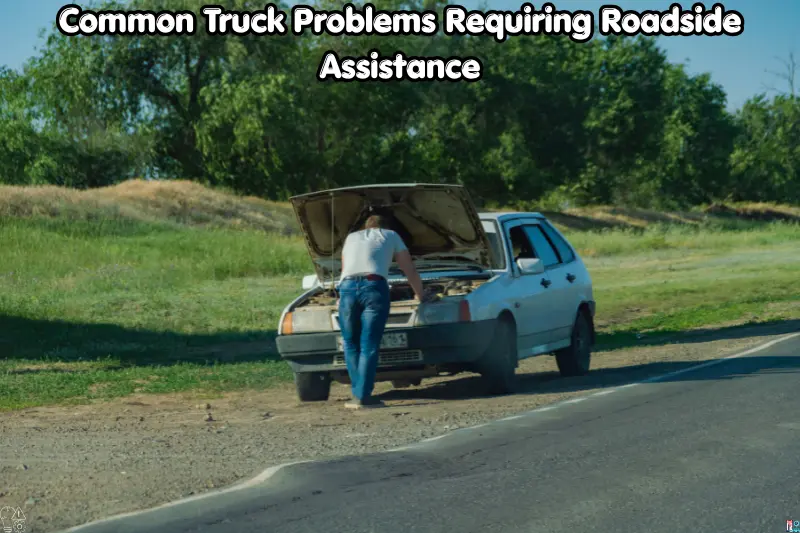
Understanding common breakdown symptoms can help drivers provide useful information when requesting emergency support.
Engine Problems
Engine problems are among the most disruptive truck breakdowns. Warning signs can include:
- Difficulty starting
- Loss of engine power
- Unusual engine noises
- Excessive smoke
- Oil-pressure warnings
- Overheating
- Engine warning lights
- Sudden engine shutdown
Drivers should avoid continuing to operate a truck when a serious engine warning appears, particularly if the vehicle is overheating or losing power unexpectedly.
Battery and Starting Problems
A truck may fail to start because of a weak battery, poor electrical connection, damaged starter motor, alternator problem, or another electrical fault.
Heavy vehicles often require strong starting systems because of their larger engines. A mobile mechanic can test the battery and charging system to determine whether the problem is electrical or mechanical.
Brake Problems
Brake faults require immediate attention because braking performance is directly connected to road safety.
Symptoms may include unusual brake noises, warning lights, reduced braking performance, air-pressure problems, or abnormal brake behaviour.
A truck with a potentially dangerous brake fault should not be driven simply to reach a repair shop. Professional assessment and, where necessary, recovery should be arranged.
Tyre Problems
Truck tyres can suffer punctures, sidewall damage, tread problems, or other failures. A damaged heavy vehicle tyre can create a serious roadside hazard, particularly on busy roads.
Roadside assistance may provide tyre-related support or arrange appropriate heavy vehicle recovery if the situation cannot be safely resolved at the roadside.
Cooling-System Failure
Overheating can be caused by problems involving coolant, hoses, radiators, fans, thermostats, water pumps, or other cooling components.
Continuing to drive an overheating engine can cause expensive damage. If the temperature rises beyond the normal operating range, the driver should follow the vehicle manufacturer’s guidance and arrange professional assistance.
Electrical and Lighting Faults
Electrical problems can affect starting, engine management, lights, dashboard systems, communication equipment, and trailer connections.
A mobile mechanic can inspect wiring, fuses, batteries, charging systems, connectors, and other components to identify the source of the problem.
What Should You Do When Your Truck Breaks Down?
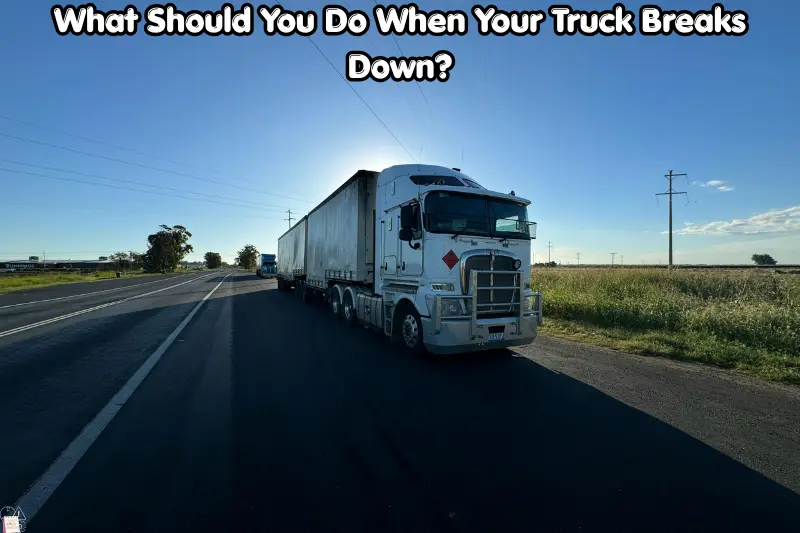
Safety should come before delivery schedules or repair convenience. The first objective is to reduce the risk to the driver, other road users, and the vehicle.
1. Move to a Safe Location If Possible
If the truck can be moved safely, position it away from moving traffic and preferably in a suitable safe area.
Do not attempt risky manoeuvres just to reach a preferred stopping point.
2. Switch On Hazard Lights
Use the vehicle’s hazard warning lights when appropriate to make the stationary vehicle more visible.
If additional warning equipment is available and can be deployed safely, use it according to applicable requirements and the vehicle operator’s procedures.
3. Assess the Situation From a Safe Position
Do not immediately walk around a large truck in an active traffic environment.
If there is smoke, fire, leaking fuel, damaged electrical equipment, unstable cargo, or another serious hazard, keep a safe distance and seek appropriate emergency assistance.
4. Contact Truck Roadside Assistance Derrimut
When requesting truck roadside assistance Derrimut, provide accurate information such as:
- Exact location
- Truck type and approximate size
- Vehicle registration
- Nature of the problem
- Warning lights or symptoms
- Whether the vehicle is loaded
- Trailer configuration
- Accessibility of the vehicle
- Whether the truck is blocking traffic
Clear information helps the service provider understand what equipment or mechanic may be required.
5. Follow the Mechanic’s Instructions
The mechanic may ask questions about the vehicle’s symptoms before arriving.
Avoid attempting complex repairs unless you are trained and the repair can be performed safely. Heavy vehicles contain high-voltage electrical systems, pressurised air systems, heavy components, and other hazards.
Benefits of Using Truck Roadside Assistance Derrimut
Roadside support can provide several practical advantages for truck operators.
Faster On-Site Diagnosis
A mobile mechanic can assess the vehicle where it stopped instead of automatically requiring workshop transport.
This can help identify whether the problem is suitable for a roadside repair or requires recovery.
Reduced Operational Disruption
A truck breakdown can interrupt deliveries, schedules, driver availability, and fleet planning.
If the fault is relatively straightforward, repairing it at the roadside may allow the vehicle to return to service sooner.
Professional Troubleshooting
A trained heavy vehicle mechanic can use diagnostic equipment and practical mechanical knowledge to investigate faults more effectively than repeated trial-and-error repairs.
Support for Fleet Operators
Businesses operating multiple commercial vehicles can benefit from having a defined roadside assistance process.
Fleet managers can establish procedures for reporting breakdowns, communicating locations, protecting cargo, documenting repairs, and deciding when a vehicle should be recovered.
What Can a Mobile Truck Mechanic Repair?
The answer depends on the fault and roadside conditions. Some issues can be repaired at the vehicle’s location, while others cannot.
Repairs Often Suitable for Roadside Service
Potential roadside repairs may include:
- Battery replacement
- Minor electrical repairs
- Starter-related work
- Certain sensor replacements
- Hose replacement
- Basic cooling-system repairs
- Some trailer electrical faults
- Minor mechanical adjustments
- Diagnostic scanning
The availability of parts and specialist equipment can affect what can actually be completed.
Problems That May Require Towing
Major failures may require workshop facilities.
Examples can include:
- Severe engine damage
- Major transmission failure
- Serious driveline damage
- Significant chassis damage
- Major brake-system faults
- Structural damage
- Unsafe tyre or wheel conditions
- Problems requiring specialist lifting equipment
A responsible roadside mechanic should not recommend driving a truck that is unsafe merely to avoid recovery costs.
Truck Roadside Assistance Derrimut vs Workshop Repairs
| Service | Roadside Assistance | Workshop Repair |
|---|---|---|
| Location | Vehicle location | Fixed workshop |
| Best for | Breakdowns and urgent faults | Detailed repairs and maintenance |
| Diagnostic work | Basic to advanced depending on equipment | Usually broader equipment availability |
| Major component repairs | Often limited | More suitable |
| Vehicle downtime | Potentially lower | May be longer |
| Towing | Can often be arranged | Usually after vehicle recovery |
| Convenience | High during breakdowns | Better for planned work |
Roadside assistance and workshop servicing should not be viewed as competing services. They serve different purposes.
Roadside assistance addresses unexpected problems, while regular workshop maintenance helps identify and prevent many faults before they become breakdowns.
How Much Does Truck Roadside Assistance Derrimut Cost?
There is no single price for Truck roadside assistance Derrimut because the final cost depends on the circumstances.
Important factors can include:
- Location and travel distance
- Time of service
- Type of truck
- Nature of the fault
- Labour required
- Replacement parts
- Diagnostic requirements
- Tyre or battery costs
- Towing or recovery requirements
- After-hours or emergency service charges
Before authorising major work, ask the service provider about call-out charges, labour rates, parts pricing, towing costs, and any additional fees that may apply.
A low initial call-out price does not necessarily mean the lowest total repair cost, so compare the complete service rather than only the first quoted figure.
How to Choose a Reliable Truck Roadside Assistance Derrimut Service in Derrimut
Choosing the right provider is important because heavy vehicle repairs require suitable skills, equipment, and safety awareness.
Check Heavy Vehicle Experience
Ask whether the mechanic regularly works with trucks, trailers, diesel engines, air-brake systems, electrical systems, and other heavy vehicle components.
A mechanic experienced mainly with passenger cars may not be the right choice for a large commercial vehicle.
Confirm Service Coverage
Check whether the provider actually covers Derrimut and nearby industrial and freight areas.
If your fleet travels beyond Derrimut, ask whether assistance is available across other parts of Melbourne and surrounding areas.
Ask About Response Arrangements
Emergency services can vary in response time depending on workload, traffic, weather, vehicle type, and location.
Instead of assuming a specific arrival time, ask for an estimated response window before confirming the service.
Confirm Repair and Recovery Options
A useful roadside provider should be able to explain what happens if the vehicle cannot be repaired at the roadside.
Ask whether they can arrange suitable heavy vehicle towing or recovery when required.
Keep Communication Clear
Fleet operators should provide drivers with a simple breakdown procedure.
The driver should know who to contact, what information to provide, and how to communicate with the fleet manager while waiting for assistance.
How Preventive Maintenance Can Reduce Breakdowns
Roadside assistance is valuable, but prevention is usually better than emergency repair.
A practical truck maintenance program should consider the vehicle manufacturer’s requirements, operating conditions, kilometres travelled, load patterns, and fleet maintenance procedures.
Regular inspections can identify issues involving:
- Tyres and wheels
- Brakes
- Engine fluids
- Cooling systems
- Batteries
- Belts and hoses
- Lights
- Suspension
- Steering
- Trailer connections
- Air systems
- Warning indicators
The National Heavy Vehicle Regulator states that safe, well-maintained heavy vehicles are important to a safe and productive transport industry and provides guidance on heavy vehicle defects and maintenance requirements.
For fleet operators, maintenance should also form part of broader safety management rather than being treated only as a repair expense.
The Role of Technology in Truck Breakdown Management
Modern fleet technology can support roadside assistance by providing useful vehicle information.
Telematics systems may provide data about vehicle location, engine condition, fuel usage, tyre pressure, driver behaviour, and other operational information, depending on the system installed.
For example, if a fleet manager receives an alert showing an engine-related issue and the truck then stops, the available information may help the roadside mechanic understand the situation before arrival.
However, technology does not replace professional inspection. Diagnostic alerts should be treated as useful information rather than a complete mechanical diagnosis.
Common Mistakes to Avoid During a Truck Breakdown
Continuing to Drive With a Serious Fault
One of the biggest mistakes is continuing to drive because the destination is nearby.
A small mechanical problem can become more expensive or unsafe if the vehicle continues operating.
Attempting Unsafe Repairs
Drivers should not crawl underneath a heavy vehicle, work around moving traffic, or handle pressurised systems without appropriate training and safety controls.
Providing an Inaccurate Location
A vague location can delay assistance. Share the road name, nearby landmark, business, direction of travel, and any available location information.
Ignoring Warning Signs
Unusual smells, noises, overheating, warning lights, fluid leaks, or performance changes should not automatically be ignored.
Early investigation may prevent a more serious breakdown.
Focusing Only on the Cheapest Service
Emergency repairs require appropriate equipment and experience. The cheapest quote may not always represent the best overall value.
Consider safety, expertise, communication, repair quality, and recovery capability as well as price.
If your truck needs more than emergency roadside support, you can learn more about professional truck repairs and repair solutions for commercial vehicles. Regular truck repairs and maintenance can help identify mechanical issues early, reduce unexpected downtime, and keep heavy vehicles operating safely.
Truck operators should also understand the regulations and safety requirements that apply to heavy vehicles. For official information about the Heavy Vehicle National Law and Regulations, visit the National Heavy Vehicle Regulator (NHVR). This authoritative resource provides information about heavy vehicle laws, regulations, safety requirements, and compliance.
Frequently Asked Questions
What does truck roadside assistance Derrimut include?
Truck roadside assistance Derrimut can include emergency diagnosis, battery support, electrical troubleshooting, minor mechanical repairs, tyre assistance, cooling-system checks, and other mobile services. If the fault cannot be safely repaired at the roadside, the provider may arrange suitable heavy vehicle towing or recovery to a workshop.
Can a mobile truck mechanic repair my truck at the roadside?
Yes, some truck faults can be repaired at the roadside, depending on the vehicle, fault, available parts, tools, and safety conditions. Common examples may include battery, electrical, starting, hose, or minor mechanical problems. Major engine, transmission, structural, or other serious faults may require workshop repairs.
How quickly can roadside truck assistance arrive in Derrimut?
Response times vary according to the provider’s workload, traffic conditions, exact location, time of day, vehicle type, and the nature of the breakdown. When booking assistance, provide the exact location and vehicle details and ask for an estimated response window rather than assuming a fixed arrival time.
Should I keep driving if my truck has a warning light?
Not necessarily. Some warning lights may indicate a relatively minor issue, while others can signal a serious mechanical or safety problem. Check the vehicle manufacturer’s instructions and assess the situation safely. If continued driving could damage the vehicle or create a safety risk, arrange professional roadside assistance.
Is roadside assistance better than taking a truck to a workshop?
Roadside assistance is useful when a truck has already broken down and cannot reasonably reach a workshop. A workshop is generally better for scheduled servicing, detailed diagnostics, major repairs, and component replacement. The two services work together: roadside assistance handles unexpected problems while workshops support preventive maintenance and larger repairs.
Practical Roadside Assistance Checklist
Truck operators can prepare for unexpected breakdowns by keeping a simple emergency checklist available.
Before a journey, confirm:
- Driver has emergency contact information
- Vehicle registration details are available
- Fleet manager contact details are accessible
- Vehicle location can be communicated accurately
- Basic warning and safety equipment is available
- Maintenance records are current
- Tyres and visible vehicle components have been checked
- Cargo and trailer connections are secure
When a breakdown occurs, prioritise safety first, communicate the exact location, explain the symptoms, and wait for professional assistance where the vehicle cannot safely continue.
Conclusion
Truck roadside assistance Derrimut is an important emergency service for truck drivers, fleet operators, delivery businesses, and transport companies dealing with unexpected vehicle problems.
The most important step after a breakdown is to protect people and other road users before thinking about delivery deadlines. Move to a safe position when possible, use appropriate warning measures, provide accurate location information, and contact a qualified heavy vehicle roadside service.
Roadside repairs can sometimes restore a truck quickly, but major faults may require towing and workshop repairs. Regular inspections and preventive maintenance remain essential for reducing unexpected downtime.
For operators, the best approach is to combine preventive servicing with a clear breakdown response plan. Save reliable roadside assistance contact details before they are needed, make sure drivers know the procedure, and choose providers with appropriate heavy vehicle experience.
For official heavy vehicle safety and compliance guidance, the National Heavy Vehicle Regulator provides resources covering vehicle defects, safety management, Chain of Responsibility obligations, and heavy vehicle operations.
