

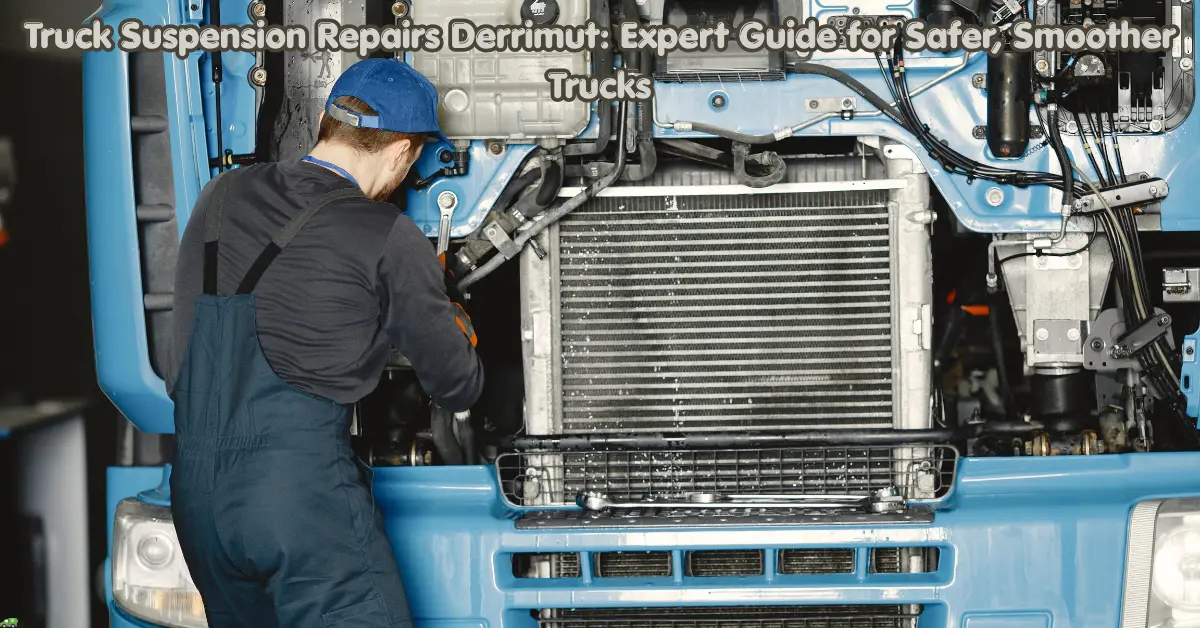
ntroduction
Truck suspension repairs Derrimut are essential when a heavy vehicle develops uneven ride height, excessive bouncing, steering instability, unusual tyre wear, or suspension noise. A properly maintained suspension system helps support the truck’s load, maintain tyre contact with the road, improve handling, and reduce unnecessary stress on other components.
This guide explains how Truck suspension repairs Derrimut systems work, the most common suspension problems, warning signs that should not be ignored, how professional repairs are performed, and how regular maintenance can help prevent expensive breakdowns. It also covers air suspension, leaf springs, shock absorbers, suspension bushes, alignment issues, and practical maintenance tips for fleet operators.
For businesses operating trucks around Derrimut and Melbourne’s western industrial areas, suspension condition can have a direct effect on vehicle reliability and operating efficiency. A suspension fault may start as a small noise or uneven ride but can become a larger mechanical problem if it is left unattended.
What Is a Truck Suspension Repairs Derrimut System?
A truck suspension system connects the vehicle’s chassis to its wheels and helps manage the forces created by road surfaces, braking, cornering, and heavy loads. Its main purpose is to support the vehicle while allowing the wheels to move over uneven surfaces without transferring excessive impact to the chassis and cargo.
Truck suspension systems can use different components depending on the vehicle design. Common parts include leaf springs, air bags, shock absorbers, suspension arms, bushes, U-bolts, hangers, shackles, torque rods, air lines, valves, and mounting hardware.
The exact design varies between rigid trucks, prime movers, trailers, buses, and other heavy vehicles. For this reason, suspension repairs should be based on the manufacturer’s specifications and the actual condition of the vehicle rather than a one-size-fits-all approach.
Why Are Truck Suspension Repairs Derrimut Repairs Important?
Truck suspension repairs Derrimut are important because suspension faults can affect stability, steering, braking, tyre wear, ride quality, and the condition of other vehicle components. A damaged suspension system can also reduce the truck’s ability to carry and distribute its load correctly.
A suspension problem does not always mean that a component has completely failed. Wear can develop gradually through high mileage, heavy loads, rough roads, corrosion, incorrect repairs, or repeated operation under demanding conditions.
Professional inspection can identify the cause before the problem becomes more serious. The repair may involve replacing a worn bush or shock absorber, repairing an air leak, replacing a damaged spring, correcting suspension alignment, or repairing associated mounting components.
Common Signs Your Truck Needs Suspension Repairs
Knowing the warning signs can help operators arrange an inspection before a minor fault becomes a major repair.
Uneven Ride Height
If one side of the truck sits lower than the other, the suspension may have a damaged spring, air bag, air leak, worn mounting component, or another mechanical issue. Uneven ride height should be investigated rather than corrected simply by adjusting another component.
Excessive Bouncing
A truck that continues bouncing after travelling over a bump may have worn or ineffective shock absorbers. Shocks help control suspension movement and can contribute to better tyre contact and vehicle stability.
Uneven Tyre Wear
Suspension problems can contribute to abnormal tyre wear. If tyres show unusual wear patterns, the suspension, steering and wheel alignment should be checked together rather than replacing tyres without identifying the underlying cause.
Knocking or Clunking Sounds
Repeated knocking, clunking, squeaking, or metallic sounds from underneath the truck can indicate worn bushes, loose hardware, damaged springs, suspension mounts, or other components.
Vehicle Pulling or Handling Changes
If a truck feels unstable, pulls to one side, rolls excessively during cornering, or behaves differently under braking, the suspension and steering systems should be inspected promptly.
Air Suspension Losing Pressure
Air-suspension trucks may develop leaks in air bags, hoses, fittings, valves, or related components. A truck that drops overnight or repeatedly needs air pressure attention may require a professional leak inspection.
Main Types of Truck Suspension Repairs Derrimut
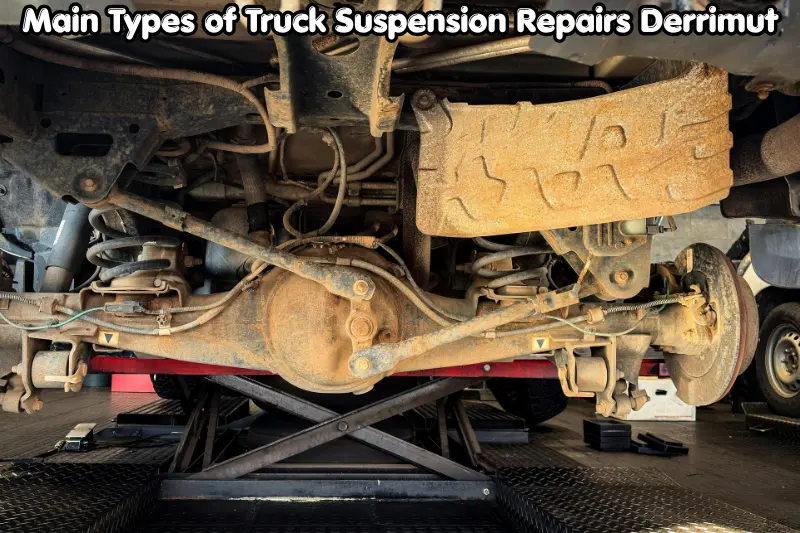
Different suspension designs require different repair methods. A qualified heavy-vehicle mechanic should identify the system before deciding which components need replacement.
Air Suspension Repairs
Air suspension uses compressed air and components such as air bags, valves, air lines, height-control systems, and mounting hardware. It can provide controlled ride height and is widely used on many heavy vehicles and trailers.
Common air suspension faults include leaking air bags, damaged air lines, faulty valves, damaged fittings, and incorrect ride-height settings.
A mechanic may inspect the system for leaks, examine the air bags for cracking or damage, check mounting points, verify ride height, and test the relevant control components.
Leaf Spring Repairs
Leaf springs are designed to support heavy loads and absorb road impacts. They can become cracked, damaged, weakened, or incorrectly positioned after prolonged use or excessive loading.
Repairs may involve replacing damaged spring leaves, bushes, shackles, hangers, or related hardware. The correct replacement parts should match the truck’s specifications and intended operating conditions.
Shock Absorber Replacement
Shock absorbers control suspension movement. Worn shocks can allow excessive bouncing and may contribute to poor ride control and uneven tyre wear.
During inspection, mechanics can check for physical damage, oil leakage, loose mounting points, and signs of ineffective damping. Replacement should be performed using suitable components for the specific truck.
Bush and Mount Repairs
Suspension bushes reduce movement and vibration between connected components. As bushes wear, excessive movement can develop in suspension joints and mounts.
Replacing worn bushes can restore proper component movement and reduce unwanted noise. However, mechanics should also inspect surrounding parts because worn bushes may be a symptom of broader suspension stress.
How Professionals Diagnose Suspension Problems
A proper diagnosis is more than replacing the part that looks damaged. The mechanic should identify the cause of the problem and check related components.
Step 1: Listen to the Driver
The driver can provide valuable information about when the problem occurs. Details such as noise over bumps, changes while braking, uneven ride height, or air pressure loss can help narrow the inspection.
Step 2: Perform a Visual Inspection
The mechanic checks springs, shock absorbers, bushes, mounts, air bags, air lines, fasteners, suspension arms, and other visible components for damage or excessive wear.
Step 3: Check Ride Height and Alignment
Incorrect ride height or suspension geometry can affect vehicle behaviour and tyre wear. Measurements should be compared with the manufacturer’s specifications where applicable.
Step 4: Test Air Suspension Components
For air suspension, the mechanic may inspect air pressure, check for leaks, examine valves and fittings, and confirm that the system maintains the required ride height.
Step 5: Inspect Related Systems
Suspension faults can interact with steering, wheels, tyres and braking components. A complete inspection helps prevent one repaired component from hiding another problem.
Step 6: Repair and Test
After replacing or repairing the faulty components, the vehicle should be checked to confirm that the original symptoms have been addressed and that the suspension operates correctly.
Benefits of Professional Truck Suspension Repairs Derrimut
Professional suspension repairs can provide several practical benefits for truck operators.
Improved vehicle stability: A correctly functioning suspension helps the truck respond more predictably to road conditions and load changes.
Better ride quality: Properly maintained suspension reduces excessive movement and harsh impacts reaching the vehicle structure.
Reduced tyre stress: Correct suspension condition can help support consistent tyre contact and reduce abnormal wear caused by related faults.
Protection of other components: A damaged suspension can place additional stress on steering, tyres, mounts and chassis-related components.
Reduced unexpected downtime: Identifying worn parts during planned inspections can help operators schedule repairs instead of waiting for a roadside failure.
Better load management: Suspension condition is one part of maintaining a heavy vehicle’s overall stability and safe operation. Load placement and distribution must also be managed correctly.
Suspension Maintenance Tips for Truck Operators
Preventive maintenance can help identify suspension problems before they cause significant downtime.
- Inspect suspension components regularly. Look for damaged springs, leaking air bags, loose hardware, cracked bushes, and unusual wear.
- Monitor ride height. A sudden change in ride height can indicate an air suspension or mechanical problem.
- Check tyre wear. Uneven wear can provide an early warning of suspension, steering, or alignment issues.
- Listen for new noises. Record when knocking, squeaking, or clunking occurs and report it to the mechanic.
- Avoid overloading. Operating outside the vehicle’s intended load limits can place excessive stress on suspension components.
- Follow manufacturer specifications. Maintenance intervals and replacement requirements can vary between truck models.
- Keep maintenance records. Document inspections, faults, component replacements, and repairs to help identify recurring issues.
- Check after heavy-duty operation. Trucks working on rough roads, construction sites, or demanding freight routes may require closer inspection.
How Load Distribution Can Affect Suspension
Load distribution has an important relationship with Truck suspension repairs Derrimut. An uneven or unsuitable load can place different forces on axles and suspension components and can affect steering, braking, stability, and tyre behaviour.
The National Heavy Vehicle Regulator explains that load position can influence vehicle stability, steering dynamics, braking and weight distribution. Heavy loads should be distributed appropriately across the vehicle and axles rather than concentrated incorrectly in one area.
The NHVR also states that heavy vehicles must be loaded so that load placement does not make the vehicle unsafe or unstable and that appropriate load restraint systems are used.
This means suspension maintenance should be considered alongside responsible loading practices. Repairing a suspension fault will not solve problems caused by consistently unsuitable loading practices.
When Should You Call a Truck Suspension Repairs Derrimut Mechanic?
You should arrange a professional inspection when you notice significant changes in ride height, repeated suspension noise, excessive bouncing, air loss, abnormal tyre wear, damaged springs, or handling changes.
A truck that suddenly develops a serious suspension fault should not simply continue operating because the vehicle still moves. The severity of a suspension problem can vary, and some faults may affect safe vehicle operation.
For fleet operators, planned suspension inspections can also be useful when trucks reach scheduled service intervals or when a vehicle operates under heavy loads, high mileage, rough roads, or demanding work conditions.
Truck Suspension Repairs Derrimut vs Suspension Replacement
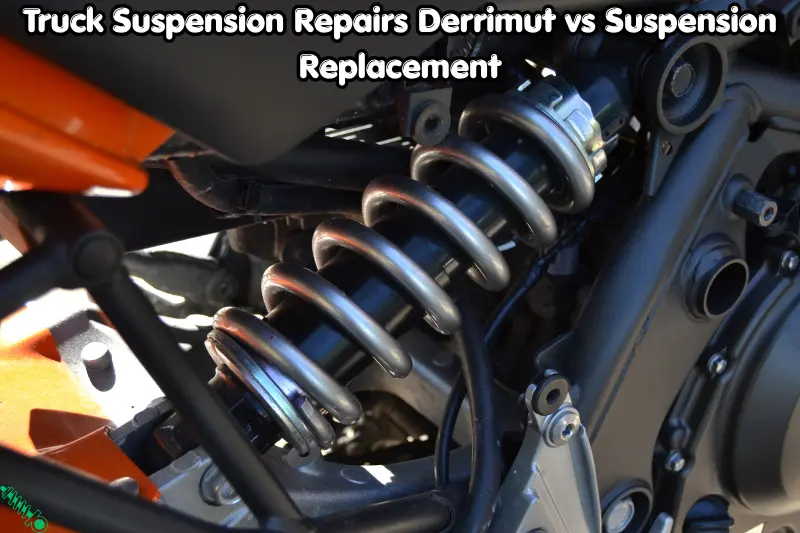
Not every suspension problem requires replacement of the entire system. The correct solution depends on the condition of the components and the manufacturer’s requirements.
| Repair or Replacement | When It May Be Appropriate |
|---|---|
| Bush replacement | Bushes are worn, cracked, or allowing excessive movement |
| Shock absorber replacement | Shocks are damaged, leaking, or no longer controlling movement effectively |
| Air bag replacement | Air bag is damaged or leaking |
| Air line repair | Hose or fitting has developed a leak or damage |
| Spring replacement | Spring is cracked, damaged, weakened, or outside acceptable condition |
| Mount repair | Suspension mounting components are damaged or excessively worn |
| Full suspension work | Multiple components are damaged or the system requires comprehensive restoration |
| The cheapest repair is not always the best repair. A mechanic should consider the truck’s model, operating conditions, load requirements, component condition, and manufacturer specifications before recommending replacement parts. |
Common Truck Suspension Repairs Derrimut Mistakes
One common mistake is replacing a visible component without diagnosing why it failed. For example, replacing one worn part without checking connected components may allow the same problem to return.
Another mistake is ignoring uneven tyre wear. Tyres can show symptoms of suspension or alignment problems, so simply fitting new tyres may not solve the underlying issue.
Using incorrect replacement parts is another risk. Heavy vehicles operate under substantial loads, so suspension components should be suitable for the specific vehicle and application.
Finally, delaying repairs because the truck can still drive can turn a manageable maintenance issue into a more expensive problem. Early inspection is usually a more practical approach than waiting for a complete failure.
Choosing a Truck Suspension Repairs Derrimut Service in Derrimut
When selecting a suspension repair provider, look for experience with heavy vehicles rather than relying only on general automotive experience.
Ask whether the mechanic works with the suspension type fitted to your truck and whether inspections include related steering, tyre, and mounting components. It is also useful to ask what caused the failure and whether the recommended repair follows manufacturer specifications.
For businesses with several trucks, a service provider that can support scheduled inspections and maintenance may be more useful than a repair-only service. Clear communication, proper documentation, suitable replacement components, and practical diagnostic procedures are important factors when managing fleet maintenance.
For more information about heavy vehicle maintenance and repair services, visit our truck mechanic services page. You can also explore our truck repairs guide to learn more about common truck repair solutions and professional maintenance.
For reliable information about heavy vehicle loading and safety requirements, visit the National Heavy Vehicle Regulator (NHVR). This authoritative resource provides useful guidance for heavy vehicle operators on loading and safe vehicle operation.
Frequently Asked Questions
What are the most common Truck suspension repairs Derrimut problems?
Common Truck suspension repairs Derrimut problems include worn shock absorbers, damaged or weakened leaf springs, worn bushes, damaged suspension mounts, leaking air bags, faulty air lines, and suspension height issues. Uneven tyre wear, unusual noises, excessive bouncing, and changes in ride height can indicate that the suspension needs professional inspection.
How do I know if my truck needs suspension repairs?
Warning signs include excessive bouncing, uneven ride height, abnormal tyre wear, knocking or clunking noises, air suspension pressure loss, excessive body movement, and changes in steering or handling. If a truck behaves differently from normal, arrange an inspection rather than assuming the issue will correct itself.
Can a damaged suspension affect tyres?
Yes. Suspension and related alignment problems can contribute to uneven tyre wear because the wheel may not maintain the expected relationship with the road. However, tyre wear can have several causes, including alignment, inflation, load distribution and tyre condition, so the complete system should be checked before deciding on a repair.
How often should Truck suspension repairs Derrimut be inspected?
There is no single inspection interval suitable for every truck. Maintenance requirements depend on the truck model, manufacturer specifications, mileage, operating conditions, load, road environment and fleet maintenance program. Operators should follow the manufacturer’s recommended maintenance schedule and arrange an inspection sooner when warning signs or damage appear.
Is mobile Truck suspension repairs Derrimut repair available in Derrimut?
Mobile heavy-vehicle repair services may be able to inspect or repair certain suspension faults at a suitable roadside or worksite location, depending on the problem and available equipment. More extensive repairs may require workshop facilities. When requesting service, provide the truck model, suspension type, symptoms and location so the mechanic can assess the job properly.
Conclusion
Truck suspension repairs Derrimut are an important part of keeping heavy vehicles stable, reliable, and suitable for demanding transport work. Problems involving air bags, leaf springs, shock absorbers, bushes, mounts, or suspension height should be diagnosed early rather than ignored.
Regular inspections, correct loading practices, suitable replacement components, and manufacturer-based maintenance can help reduce avoidable suspension problems. Operators should also pay attention to warning signs such as uneven ride height, excessive bouncing, unusual noises, air leaks, and abnormal tyre wear.
If your truck is showing any of these symptoms, the practical next step is to arrange a professional suspension inspection and identify the underlying cause before continuing with demanding operations.
