

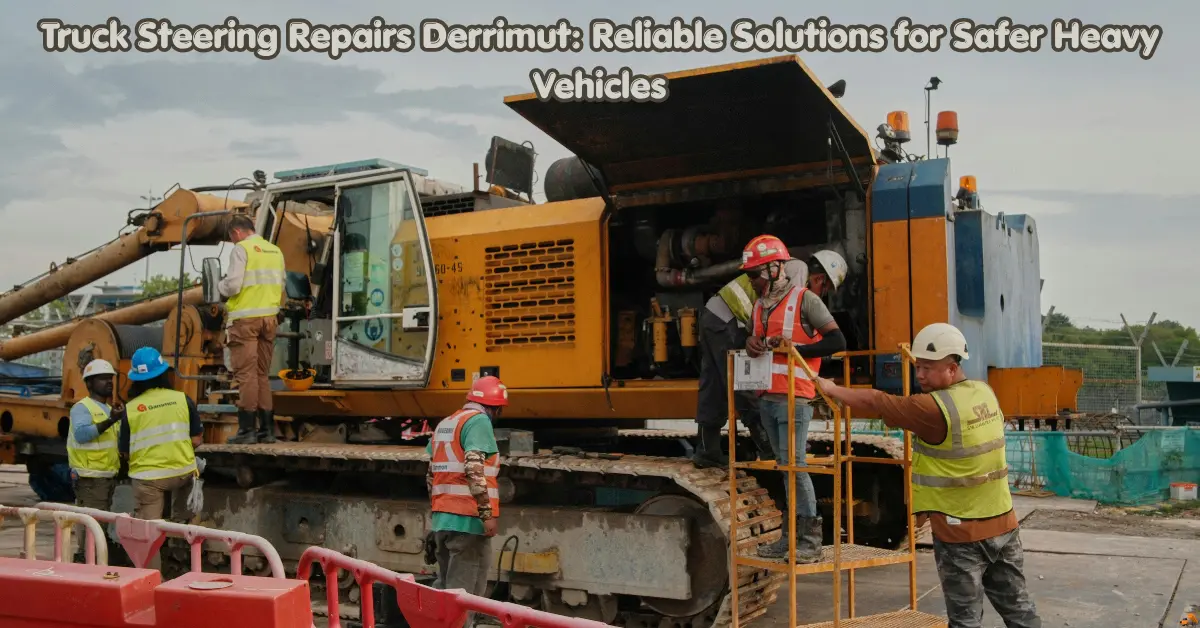
truck steering repairs Derrimut are essential when a heavy vehicle develops steering problems, unusual handling, excessive play, or difficulty staying on course. Because trucks carry heavy loads and operate under demanding road conditions, steering faults should be inspected promptly rather than ignored.
This guide explains the common causes of truck steering problems, warning signs that indicate professional attention is needed, how steering repairs are performed, the benefits of timely servicing, and practical maintenance tips. It also covers hydraulic steering systems, steering components, wheel alignment, suspension-related issues, and common mistakes operators should avoid.
What Are Truck Steering Repairs Derrimut?
truck steering repairs Derrimut involve inspecting, repairing, adjusting, or replacing components that control the direction and handling of a heavy vehicle. These components can include the steering wheel, steering shaft, steering box or rack, tie rods, drag links, ball joints, power steering system, hydraulic components, and related mounting hardware.
A steering problem does not always originate from one component. For example, loose steering may result from worn linkage components, incorrect adjustment, damaged joints, wheel alignment problems, or excessive movement in the steering system.
For this reason, a proper inspection should identify the underlying cause before replacement parts are installed.
Why Truck Steering Repairs Derrimut Problems Should Not Be Ignored
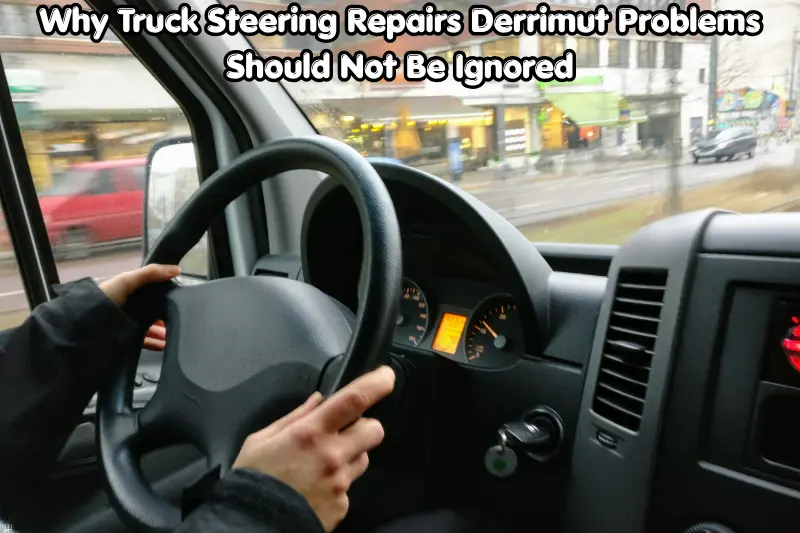
A truck depends on accurate steering control to maintain its intended direction. A small steering fault can become more noticeable as vehicle speed, load, road vibration, or operating hours increase.
Common reasons to arrange an inspection include:
- Excessive steering wheel play
- Difficulty keeping the truck straight
- Steering that feels unusually heavy
- Vehicle pulling to one side
- Knocking or clunking sounds
- Steering wheel vibration
- Uneven front tyre wear
- Fluid leakage around hydraulic components
- Delayed steering response
- Steering that does not naturally return after a turn
A professional inspection can determine whether the problem is related to steering components, suspension, tyres, alignment, hydraulic assistance, or a combination of these systems.
Common Causes of Truck Steering Repairs Derrimut Problems
Worn Tie Rods and Steering Linkages
Tie rods, drag links, and other steering linkage components transfer movement from the steering system toward the wheels. Wear can create unwanted movement and reduce steering precision.
A worn linkage may produce knocking noises, loose steering, or noticeable play. Because these parts directly influence wheel movement, excessive wear should be assessed by a qualified mechanic.
Damaged Ball Joints
Ball joints allow controlled movement between suspension and steering components. When they become worn, damaged, or contaminated, the front end can develop looseness.
Symptoms may include unusual noises, uneven tyre wear, vibration, and inconsistent handling.
Steering Box Problems
Many heavy vehicles use steering boxes rather than passenger-car-style steering racks. Internal wear, incorrect adjustment, seal problems, or damage can affect steering response.
A steering box should not simply be adjusted without diagnosis. Excessive adjustment can potentially mask another problem or affect steering operation.
Hydraulic Power Steering Faults
Heavy trucks often use hydraulic assistance to reduce steering effort. Problems may develop in the power steering pump, hoses, seals, reservoir, or related components.
Low fluid levels or hydraulic leaks can make steering unusually heavy. A technician should identify the source of a leak instead of repeatedly topping up fluid.
Wheel Alignment Issues
Alignment problems can cause a truck to pull in one direction, produce uneven tyre wear, or make the steering wheel sit incorrectly while travelling straight.
Alignment should be checked after relevant steering or suspension repairs and whenever symptoms indicate that wheel geometry may be incorrect.
Warning Signs You Need Truck Steering Repairs Derrimut
Knowing the early warning signs can help operators arrange an inspection before a minor fault develops into a larger repair.
Steering Wheel Has Excessive Free Play
If the steering wheel can move noticeably before the front wheels respond, there may be excessive movement somewhere in the steering system.
Free play should be professionally checked because several components can contribute to the symptom.
Truck Pulls to One Side
A truck that consistently moves toward one side may have an alignment, tyre, suspension, brake, or steering-related issue.
Do not automatically assume alignment is the only cause. A complete inspection can help identify the actual problem.
Steering Becomes Heavy
Heavy steering can be caused by hydraulic assistance problems, low or contaminated fluid, pump issues, mechanical binding, tyre pressure problems, or component damage.
If the change occurs suddenly, the truck should be inspected promptly.
Knocking or Clunking Sounds
A clicking, knocking, or clunking noise when turning or travelling over uneven surfaces can indicate wear in steering or suspension components.
The location and conditions under which the sound occurs can help a technician narrow down the source.
Uneven Front Tyre Wear
Irregular tyre wear can be associated with incorrect alignment, worn steering components, suspension problems, tyre pressure issues, or other mechanical conditions.
Tyre wear should therefore be treated as a possible warning sign rather than simply a tyre problem.
How Professional Truck Steering Repairs Derrimut Work
A proper repair normally begins with diagnosis rather than immediate parts replacement.
Step 1: Initial Inspection
The mechanic discusses the symptoms and checks the vehicle for visible damage, leaks, loose components, tyre condition, and other obvious issues.
Step 2: Steering System Testing
The steering wheel, steering linkage, joints, steering box or rack, hydraulic assistance, and related components are checked for abnormal movement or operation.
Step 3: Identify the Root Cause
The technician determines which component or system is responsible for the problem. This helps prevent unnecessary replacement of parts that are still serviceable.
Step 4: Repair or Replace Faulty Components
Depending on the diagnosis, repairs may involve adjustment, component replacement, leak repair, steering-system servicing, or related suspension work.
Step 5: Alignment and Final Checks
After relevant repairs, wheel alignment and steering operation may need to be checked. The vehicle should also undergo appropriate final safety inspections before returning to normal operation.
Benefits of Timely Truck Steering Repairs Derrimut
Improved Steering Control
Repairing worn or damaged components can restore proper steering response and help the driver maintain better control.
Reduced Tyre Wear
Correct steering geometry and properly functioning components can help prevent abnormal tyre wear caused by mechanical or alignment problems.
Better Driver Confidence
A truck that responds predictably to steering input is easier for the driver to operate, particularly during manoeuvring, cornering, and long-distance driving.
Reduced Risk of Secondary Damage
Ignoring a steering problem may allow wear or damage to affect related components. Early diagnosis can help identify problems before they become more extensive.
Better Fleet Maintenance Planning
For fleet operators, identifying steering faults early can make maintenance easier to schedule and reduce unexpected vehicle downtime.
Truck Steering Repairs Derrimut vs Routine Steering Inspection
| Service | Main Purpose | When It Is Useful |
|---|---|---|
| Steering inspection | Identify faults and wear | When symptoms first appear |
| Steering adjustment | Correct permitted settings | When adjustment is part of the diagnosis |
| Component replacement | Restore damaged or worn parts | When components are no longer serviceable |
| Wheel alignment | Correct wheel geometry | After relevant repairs or alignment symptoms |
| Hydraulic service | Address fluid or assistance issues | When steering assistance is abnormal |
The correct service depends on the condition of the vehicle. A steering inspection should normally come before deciding which repair is required.
Practical Tips for Truck Operators
Truck drivers and fleet managers can monitor several basic indicators between professional inspections.
- Check for visible power-steering fluid leaks.
- Pay attention to new steering noises.
- Report changes in steering effort.
- Monitor front tyre wear.
- Avoid ignoring steering wheel vibration.
- Follow the vehicle manufacturer’s maintenance recommendations.
- Have unusual steering behaviour inspected promptly.
- Keep records of steering and alignment work.
These checks do not replace professional mechanical inspections, but they can help identify developing problems earlier.
Common Mistakes to Avoid
Ignoring Small Steering Changes
A slight change in steering response may seem harmless, but it can indicate developing wear or another mechanical issue.
Replacing Parts Without Diagnosis
Changing multiple components without identifying the actual cause can increase repair costs and may not solve the original problem.
Treating Every Pulling Problem as Alignment
Pulling can have several causes. Tyres, brakes, suspension, steering components, and alignment should all be considered.
Continuing to Drive With Serious Symptoms
Sudden steering changes, severe looseness, major hydraulic leaks, or other serious symptoms should not be treated as routine maintenance issues.
Using Incorrect Parts
Heavy vehicles require components suitable for their specific application. Part compatibility, vehicle specifications, and manufacturer requirements should be checked before installation.
How to Choose a Truck Steering Repairs Derrimut Service in Derrimut
When comparing a truck repair provider, look for a service that understands heavy-vehicle steering systems rather than relying only on general passenger-vehicle experience.
Consider:
- Experience with trucks and heavy vehicles
- Ability to diagnose steering faults
- Proper inspection and testing procedures
- Appropriate replacement components
- Clear explanation of required repairs
- Alignment and related services where necessary
- Transparent communication about repair work
- Convenient service options for commercial vehicles
For fleet operators, response time and the ability to reduce vehicle downtime can also be important considerations.
Why Mobile Truck Steering Repairs Derrimut Can Be Useful
A mobile repair service can be particularly useful when a truck develops a mechanical problem away from a workshop. Instead of immediately arranging a long-distance recovery, a suitable mobile mechanic may be able to inspect the vehicle at its location.
However, not every steering fault should be repaired roadside. If the vehicle cannot be safely operated, recovery to an appropriate repair facility may be the safer option.
Internal Linking Opportunities
For complete heavy vehicle support, you can also explore our mobile truck mechanic Derrimut service for on-site repairs, truck repairs Derrimut for general mechanical issues, and diesel mechanic Derrimut services for diesel engine maintenance. These related services can help truck owners manage steering, mechanical, and maintenance requirements more efficiently.
For official heavy vehicle safety and regulatory information, truck operators can refer to the National Heavy Vehicle Regulator (NHVR). Its official resources provide useful guidance for heavy vehicle operators regarding safety, compliance, and responsible vehicle operation.
When Should a Truck’s Steering Be Inspected?
A truck should be inspected whenever the driver notices a significant change in steering behaviour, unusual noise, excessive play, fluid leakage, uneven tyre wear, or difficulty maintaining direction.
Regular inspections should also follow the vehicle manufacturer’s maintenance schedule and the requirements applicable to the vehicle and its operation.
There is no single repair interval that applies to every truck because usage, vehicle design, operating conditions, load, kilometres travelled, and maintenance history can differ considerably.
Frequently Asked Questions
What are the most common truck steering repairs Derrimut problems?
Common problems include excessive steering play, worn tie rods or steering linkages, damaged joints, steering box issues, hydraulic power-steering faults, fluid leaks, alignment problems, and related suspension wear. Correct diagnosis is important because similar symptoms can be caused by different components.
How do I know if my truck needs steering repairs?
Warning signs include loose steering, heavy steering, pulling to one side, unusual knocking noises, vibration, uneven front tyre wear, hydraulic fluid leaks, or delayed steering response. If steering behaviour changes noticeably, arranging a professional inspection is a sensible next step.
Can wheel alignment fix truck steering repairs Derrimut problems?
Wheel alignment can correct alignment-related steering and tyre-wear problems, but it cannot repair a worn steering component. If a truck has loose linkages, damaged joints, steering box problems, or suspension faults, those issues should be addressed before or alongside alignment work.
Are truck steering repairs Derrimut suitable for mobile service?
Some inspections and repairs can be performed by a mobile truck mechanic, depending on the vehicle and fault. However, serious steering problems may make the truck unsafe to drive. In such cases, professional recovery and workshop repair may be more appropriate.
How can I prevent truck steering repairs Derrimut problems?
Follow the manufacturer’s maintenance schedule, monitor steering behaviour, inspect tyres regularly, watch for hydraulic leaks, and report unusual noises or steering play promptly. Preventive inspections can help identify worn components before they develop into more serious mechanical problems.
Conclusion
truck steering repairs Derrimut are an important part of maintaining reliable and predictable heavy-vehicle operation. Problems such as loose steering, heavy steering, unusual noises, fluid leaks, pulling, and uneven tyre wear should not be ignored because they can indicate faults in steering, suspension, hydraulic, tyre, or alignment systems.
The best approach is to diagnose the underlying problem before replacing components. Regular inspections, appropriate repairs, correct alignment, and manufacturer-recommended maintenance can help keep trucks operating safely and efficiently.
If your truck is showing unusual steering behaviour, arrange a professional inspection as soon as practical and avoid continuing to operate a vehicle when its steering condition may compromise safe control.
